How to Choose Once Used Bourbon Barrels and How Rocky Mountain Barrel Can Help You Do That?
March 16, 2021
Top 52: A Curated List of the Best Breweries and Distilleries for 2021!
April 1, 2021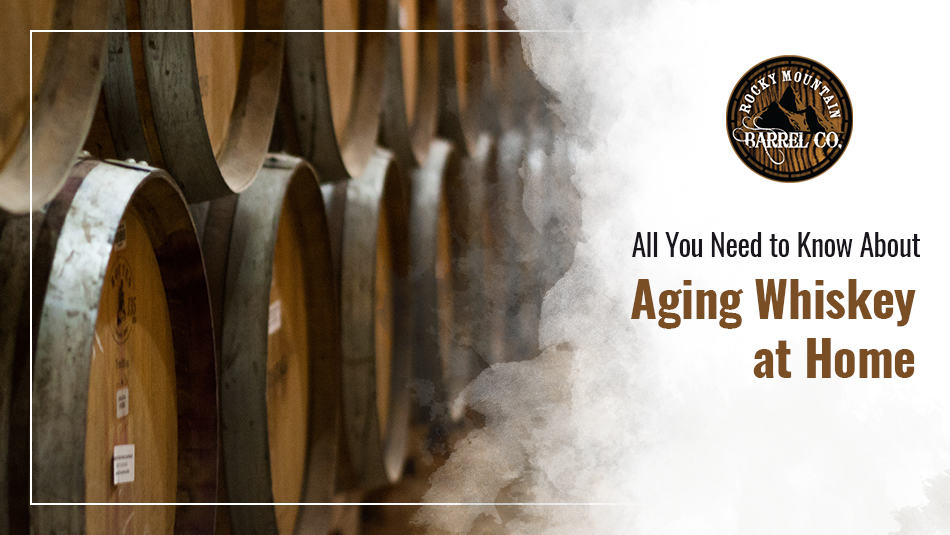
A lot of whiskey drinkers eventually reach a stage where simply trying new bottles isn’t enough. They enjoy what’s already in the glass, but curiosity takes over; what if I could shape the flavor a little myself? That question is what leads many people toward aging whiskey at home. It’s not complicated, but it does feel strangely satisfying to take a whiskey you already like and nudge it in a slightly new direction.
Rocky Mountain Barrel Company, known for sourcing real barrels from actual distilleries and wineries, gives home enthusiasts access to the same kind of cooperage used by professionals. Their selection of new oak barrels, used whisky barrels, and repurposed wine or rum barrels makes home-aging feel less like a gimmick and more like a small-scale version of real barrel work.
What a Barrel Actually Does
This is why barrel aging works even in a kitchen or a quiet corner of a living room. The barrel keeps doing what it naturally does.
A lot of people think a barrel is just a wooden container. It isn’t. Wood has pores and channels that allow spirit to move in and out. While this happens, the whiskey picks up color, sweetness, spice, and the toasted character imparted by charring. At the same time, tiny amounts of oxygen slip through the staves, softening sharp edges. Federal standards of identity require whisky to be stored in oak barrels, with corn whisky as the exception.
Small whiskey barrels, especially 1L, 2L, or 5L ones, work quickly. They have more surface area compared to the amount of liquid inside. That means results show up fast. You don’t need years. Sometimes you don’t need more than a week.
Choosing the Right Barrel
If you want a real result, start with a real barrel. Decorative barrels sold online look nice, but aren’t made for aging. What you will need is good oak, food-safe construction, and a real char or toast on the inside. White oak (Quercus alba) is the species most often used for aging barrels, as described in this USGS species profile.
1. New oak barrels
These barrels have a significant impact on the changes in wines or spirits. They add to the depth, and vanilla, caramel, and toasted sugar color at a faster rate. If you want extremely bold flavor shifts, new oak is the option to go for.
2. Used whisky barrels
These are popular because they already carry history. The used bourbon or rye barrel still retains traces of the spirit. Rocky Mountain Barrel Company is a supplier of such whiskey barrels that are very suitable for “finishing” a whiskey you already like.
3. Used wine barrels
A barrel that previously held Chardonnay or red wine adds fruit notes, light tannins, and a rounded texture. It is a less common method and could be an experiment for lighter spirits.
Preparing the Barrel
A new or used barrel arrives dry. Dry wood doesn’t seal on its own. To fix that, fill the barrel with warm water and let it swell. Some seal within a few hours, others take longer. Once the dripping stops, empty it.
Some people go a step further and “season” the barrel with rum, fortified wine, or a sweet spirit. This isn’t required, but it can add a signature twist before the whiskey goes in.
Picking the Whiskey
Don’t overthink this part. Just go for a whiskey that you like. Home aging will not perform magic and convert a poor-quality bottle into an excellent one. However, it still has the effect of shaping the whiskey’s edges, adding a little weight, or even smoothing out notes. Federal law prohibits distilling spirits at home, and possessing liquor or equipment intended for illegal production is a misdemeanor punishable by up to one year in prison and a fine of up to $5,000. Home aging should only be done with whiskey you have bought.
Simpler whiskeys respond with the most incredible clarity. Intensely peated or heavily flavored ones may not show much difference, as the barrel notes struggle to push through. Commercial whisky is bottled at no less than 40% alcohol by volume under federal standards, a handy benchmark when you choose a whiskey. Don’t link this one, since the eCFR URL is already linked higher up.
How Long Should You Age It?
There’s no universal answer. Because the barrel is small, the whiskey changes quickly. Many people start tasting it after two or three days. Some batches peak around one week. Others take a little more time. Very few home projects need more than two weeks. Larger barrels follow a very different clock, as explained in our guide on how long whiskey should age in barrels.
The best strategy is simple:
Taste as you go.
For a tiny sample, compare it to the original bottle and trust your instincts. Once the whiskey tastes good to you, bottle it. Most mistakes come from waiting too long “just to see what happens.”
Final Thoughts
Home aging isn’t about duplicating a distillery’s decades-long process. It’s about learning how wood shapes whiskey and enjoying the small changes you guide along the way. With a good barrel and a bottle that you already appreciate, you can create a finished whisky that reflects your own taste and timing.
FAQs
Q1. Can you age whiskey at home?
Ans: Yes. Use a small, real oak barrel with a char or toast and a whiskey you already enjoy. Home aging shapes and rounds out a whiskey, but it will not turn a poor bottle into a great one.
Q2. How long should you age whiskey at home in a small barrel?
Ans: Small barrels work quickly. Many people start tasting after two or three days, some batches peak around one week, and very few home projects need more than two weeks. Taste as you go and bottle when it suits you.
Q3. What barrel size is best for aging whiskey at home?
Ans: Small barrels of 1, 2, or 5 liters work fast because they have more wood surface compared with the liquid inside. Choose a real aging barrel made of food-safe oak with a char or toast, not a decorative one.
Q4. How do you prepare a barrel for home aging?
Ans: Fill it with warm water and let the wood swell until the dripping stops, then empty it. Some people also season the barrel with rum, fortified wine, or a sweet spirit before adding whiskey, though this is optional.
Q5. Is it legal to age whiskey at home?
Ans: Federal law prohibits making distilled spirits at home, so you should not distill your own. Aging whiskey you have bought is different from distilling, but rules vary by state, so check with TTB and your state’s alcohol agency first.