Sustainable Oak: How Barrel Aging Is Evolving for the Future?
August 21, 2025
A Guide to the Different Types of Barrels Used in Whiskey Aging
August 22, 2025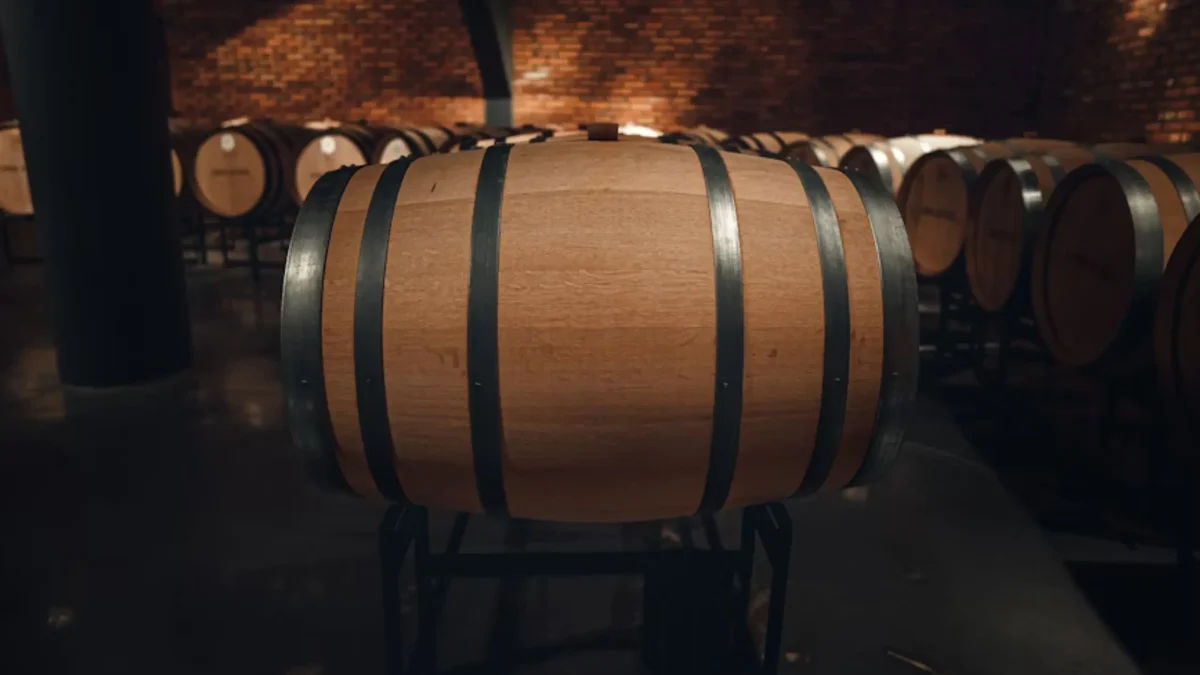
The perfectly matured whisky is the result of years of contact between spirit and wood, as well as of distilling the affected individual. Whiskey aging in oak barrels offers a wonderful mix of art, craft, and science. Whiskey changes in taste, smell, and hue because it ages in oak and absorbs the unique character of the wood and environment.
For distillers to produce a spirit that is rich, complex, and has a unique flavor, mastery of this technique is essential.
The Gold Standard of Whiskey Barrels: Why Oak?
Not all woods are created equal when it comes to aging spirits. Oak has been the desired choice for hundreds of years because of its precise structural and chemical properties.
Structural Advantages of Oak
Though resilient and sturdy, oak is also pliable; hence, it best suits coopering—that is, barrel making. Its therapeutic waterproofing properties retain water and enable fine evaporation; it can be molded into barrels without splitting. Such stability of durability and breathability is essential to whiskey maturation.
Chemical Advantages of Oak
Oak contains, among other flavor chemicals:
- Lignin: Vanillin, which gives sweet vanilla tones, results from lignin.
- Tannin: Give shape and astringency using tannins.
- Lactones: Add coconut/woody aromas.
The Three Simple Stages of Maturing Whisky in Oak Barrels
Through three related methods—extraction, oxidation, and evaporation—raw spirit turns into a smooth, mature whisky.
1. Extracts of Color and Taste
Clear is also included when spirit penetrates bourbon barrels available commercially or in manufacturing applications. It leaches flavor and color out of the oak with time. This extraction is driven by barrel toasting or charring, a process that caramelizes sugars within the wood to produce rich amber tones and depths of caramel, vanilla, and spices.
2. Oxidation and Softening of Sharp Notes
Barrels allow the whisky to breathe as the oxygen gradually permeates the wood. They do not have airtight connections. This light oxidation forms a smoother mouthfeel and rounder flavors by breaking down more potent compounds within the liquor. It additionally encourages the improvement of fruity esters and nutty tones.
3. Evaporation and Concentration
Known as the “angel’s percentage,” a small percentage of liquid evaporates every year through the oak. This herbal loss concentrates the ultimate spirit, intensifying its flavor. Climate plays a massive role—hotter regions boost this process, even as cooler environments gradually slow it down, often leading to more diffuse results.
The Role of Used Bourbon Barrels in Whiskey Aging
While new oak barrels are regularly used for certain patterns, used bourbon barrels are a favorite among many international distillers. Bourbon production in the United States calls for new charred oak barrels, which means that after they’ve been used for bourbon, they become available for other spirits.
Flavor Impact of Used Bourbon Barrels
Such barrels still have a huge amount of flavor chemicals. Whiskey aged in used bourbon barrels may impart a vanilla, caramel, and toasted oak character to whiskey due to a transfer of mild sweetness in the residual bourbon that soaks into the staves.
The Influence of Environment on Whiskey Maturation
Whiskey that has aged in unique environments will have changed in taste. Factors in addition to temperature, humidity, and air quality all play a role in the interaction of the spirit with the oak.
- Hot Climates: Speed up extraction, resulting in more intense flavors in a fraction of the time.
- Cool Climates: Promote slower, greater, and more delicate development of aroma and complexity.
- Seasonal Variations: Cause growth and contraction of the wood, pushing whiskey deeper into the grain and lower back out, improving alternate taste.
In the case of the distilleries, dealing with warehouse conditions is as paramount as choosing the proper barrels.
The Importance of Barrel Selection to Distillers and Distiller Enthusiasts
As an international distillery, a small craft producer, or a home-based spirit enthusiast, the barrel you select will have an immediate effect on your end product.
Selecting the Desirable Whiskey Barrels on Sale
When sourcing whiskey barrels for sale, consider:
- Past Usage: Bourbon, wine, rum, or sherry barrels each provide distinct flavor effects.
- Barrel Size: Smaller barrels age spirits more rapidly owing to more contact between timber and liquid.
- Toast and Char Level: Deciding the depth of caramel, smoke, and spice notes is the toast and char level.
Working With a Trusted Supplier
A legit barrel provider guarantees high quality, authenticity, and proper storage situations earlier than the barrels reach you. This prevents infection and preserves the barrel’s taste.
Conclusion: Where Science and Craftsmanship Mix
The alchemy of whiskey aging in oak casks is within the fragile balance of science, hours, and art. Starting with the extraction of vanilla and caramel aromas up to the influence of weather and the slightest play of oxidation, each of these factors influences the final uniqueness of the whiskey.
Finding new oak barrels, or used bourbon barrels with more character, or even interesting finishing barrels, it is worthwhile to partner with a supplier who knows the industry well.
When it comes to top-tier barrels with reliable sources and worldwide delivery, you can look at Rocky Mountain Barrel Company, as they are your trusted partner to help deliver the finest first-class whisky barrels to distilleries, breweries, and individuals alike.