
Ultimate Guide to Finishing Casks and Imported Oak Barrels
July 6, 2026
Why Breweries Prefer Used Bourbon Barrels for Barrel-Aged Beer
July 10, 2026
TL/DR
- Used charred oak barrels provide flavor, aroma, texture, and complexity, and aid in the process of aging.
- Stainless steel tanks provide a positive storage environment that keeps fruit freshness, flavor, and temperature consistent without affecting flavor.
- Whether using oak or stainless steel will be based on the type of beverage, production objectives, and the experience the consumer is likely to have.
- Aging is done in both ways, with many wineries and distilleries employing a combination to achieve a balance between consistency and flavor development.
- Producers should know the advantages of each option to make informed equipment investments.
One of the most significant decisions for wineries, distilleries, breweries, and beverage manufacturers is whether to use oak barrels or stainless-steel tanks. The type of vessel used will have its own advantages and will affect the flavor, aroma, aging capabilities, and efficiency of production. Used charred oak barrels are still popular among winemakers who are looking to add more complexity and character to their wines, whereas stainless steel offers consistency and convenience.
Each of these options has its strengths and weaknesses, and knowing which can work best for your production requirements can help you decide on the best choice.
The Benefits of Used Charred Oak Barrels
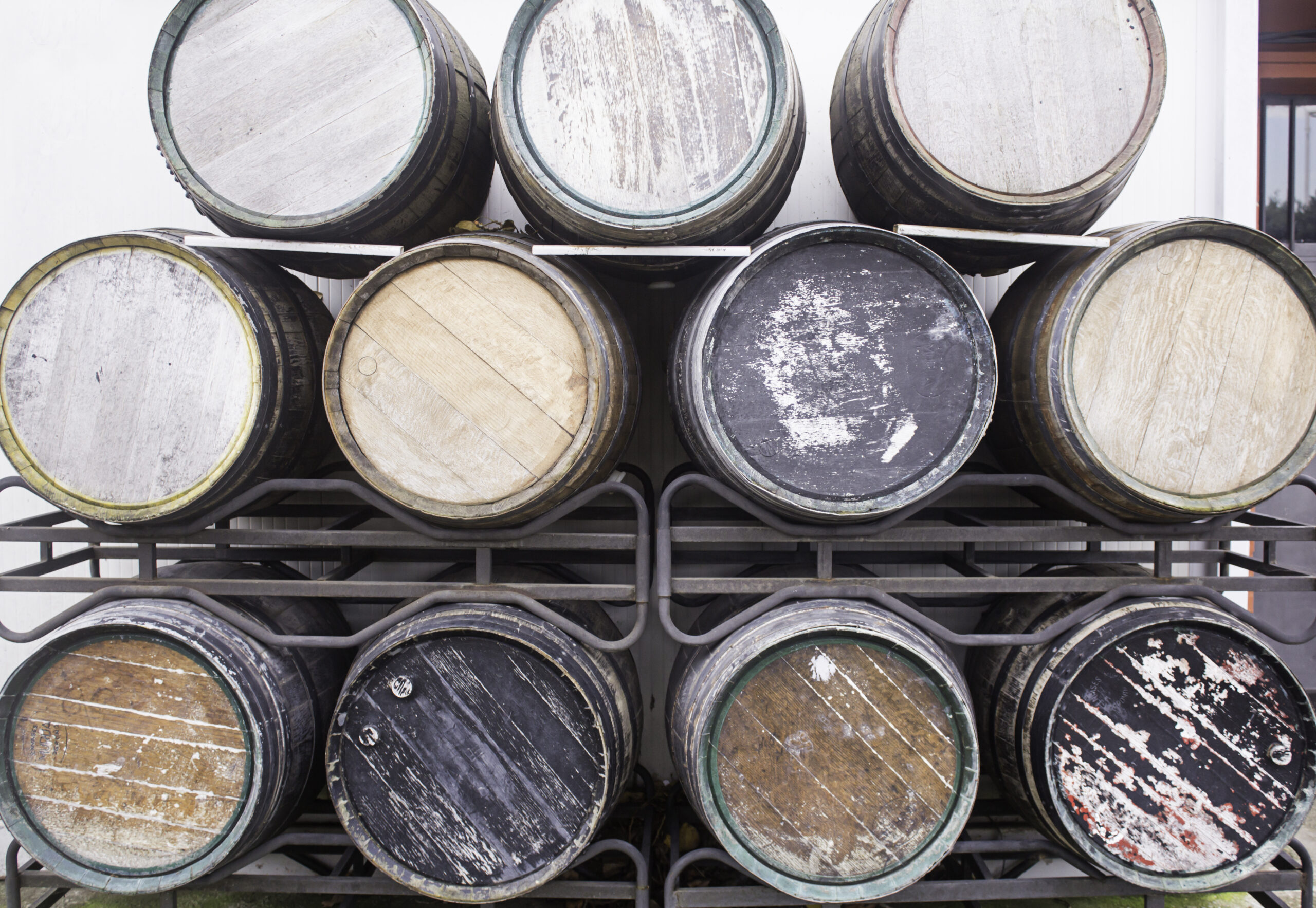
When wine and spirits are aging in an oak barrel, a little oxygen permeates through the wood. The controlled micro-oxygenation process mellows out some of those stringier qualities and promotes more nuanced aromas and flavors.
The other compounds from charred barrels can also give rise to notes of:
- Vanilla
- Caramel
- Toast
- Spice
- Smoke
- Chocolate
The barrels are also most commonly used, which gives them a more subtle oak flavor than new barrels, which is great for those producers looking for balance instead of a strong oak taste.
Advantages of Stainless-Steel Tanks
The stainless-steel tanks have revolutionized the production of beverages in the present times with their unmatched consistency and sanitation.
Stainless steel does not infuse flavor into the liquid, as does oak. Rather, it maintains the fruit quality and freshness of wine, cider, beer, or liquor.
Additional benefits include:
- Precise temperature control
- Easy cleaning and sanitation
- Excellent durability
- Lower maintenance requirements
- Consistent production results
These properties are particularly desirable for fermentations and products to which fresh aromas have been the main concern.
Flavor Development
The most significant difference between the two vessels is the way that they affect taste.
Oak is actively involved in maturation, provides natural compounds, and allows for a slow exchange of oxygen.
However, stainless steel is chemically neutral. It makes the drink safe without changing its flavor.
Winemakers looking to add some depth and richness to their wine, used oak barrels for sale can offer a chance to try different barrel histories, toast levels, and previous wines.
Why Many Producers Use Both
Many wineries and distilleries use a combination of both technologies, rather than one or the other.
One way to do this is to:
- Fermenting stainless steel tanks to preserve freshness.
- Aging part or all the product in oak barrels.
- Blending multiple batches to achieve the desired flavor profile.
This mix of both stainless steel and the complexity of oak allow producers to do well by the precision of stainless steel and the complexity of oak.
Making the Right Choice
The ideal aging vessel depends on several factors, including:
- Beverage type
- Desired flavor profile
- Production scale
- Budget
- Aging timeline
- Brand positioning
Many aged spirits or premium wines can be matured in oak, and many white wines are made in stainless steel to retain the freshness of the fruit.
Bottom Line
The stainless-steel tank and the oak barrel have been involved in the contemporary manufacturing of drinks. An advantage of the stainless-steel tank is that it guarantees precision, dependability, and efficiency, while a used charred oak barrel provides the opportunity to create a unique flavor and an aging process. Through knowing the pros of each alternative, one can select the best option depending on their style of production and the necessary level of quality.
Frequently Asked Questions
Which is better for aging wine, oak or stainless steel?
Which is better depends on the wine style. Oak barrels contribute flavor, texture, and complexity, and are great for many full-bodied wines. Stainless steel helps to retain the freshness and acidity of the fruit and is used for most white and aromatic wines.
Are stainless steel tanks cheaper than oak barrels?
If you’re using a small operation, individual oak barrels might cost less than large stainless steel tanks in the beginning. But stainless steel tanks are typically more durable and have lower long-term operating costs, and require less maintenance than oak barrels, which must be replaced periodically.
Can you get oak flavor without buying oak barrels?
Yes. Some producers use oak alternatives like cubes, staves, spirals, or oak chips to add oak flavors to their aging process. These alternatives may give some flavor but are not as authentic as the slow oxidation and aging that takes place in barrels.
Why do winemakers still use oak if steel is easier?
Many winemakers still use oak because of its ability to impart depth, texture, and gentle flavors that stainless steel cannot. Oak can also help with controlled exposure to oxygen, which can help mellow out tannins in many wines and add to the overall complexity, making it a critical part of making high-end styles.