Reusing Whiskey Barrels: Beer, Rum, and Wine Finishes Explained
December 24, 2025
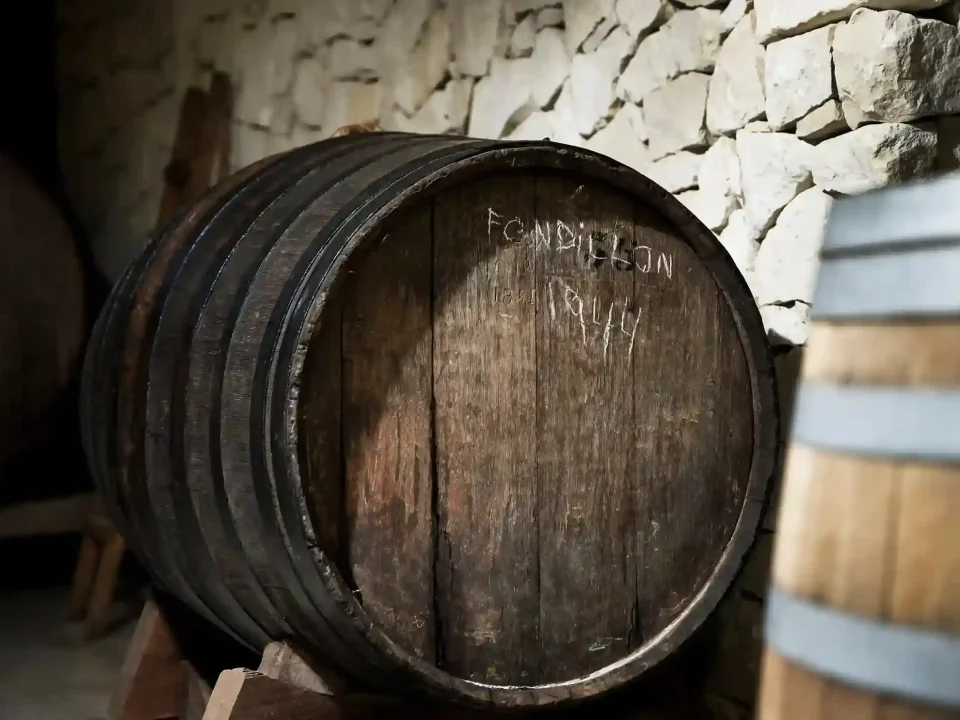
Whiskey doesn’t become whiskey the moment it leaves the still. What gives it depth, color, and character happens later, inside the barrel. For centuries, distillers have relied on whiskey barrels to shape flavor in ways no other vessel can. The process begins long before the spirit is poured in. It starts in the forest, with oak trees chosen for their structure, grain, and chemistry.
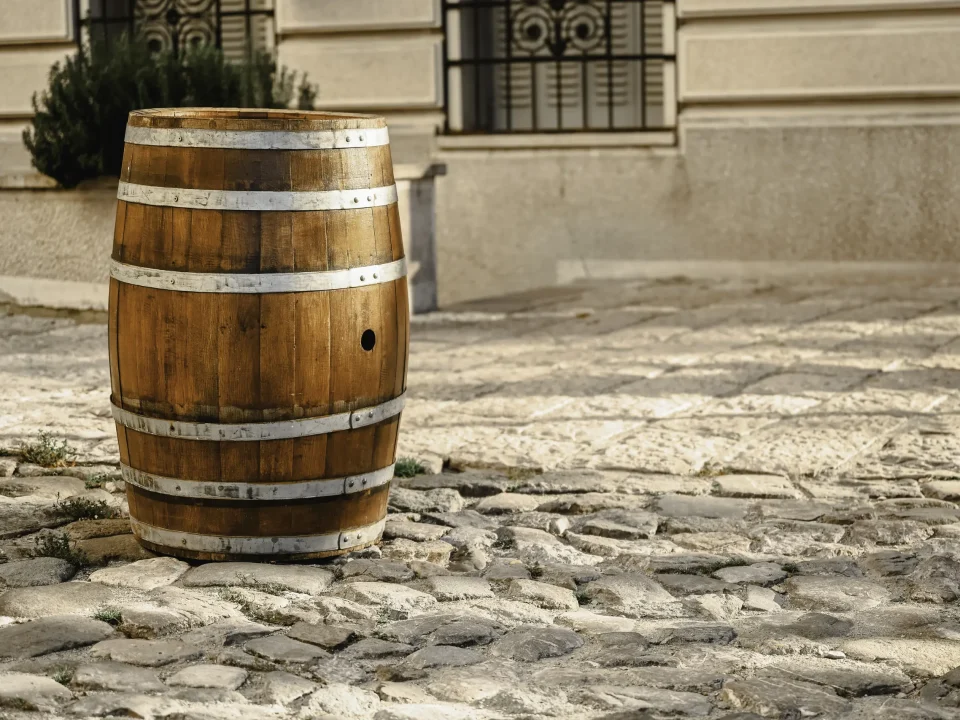
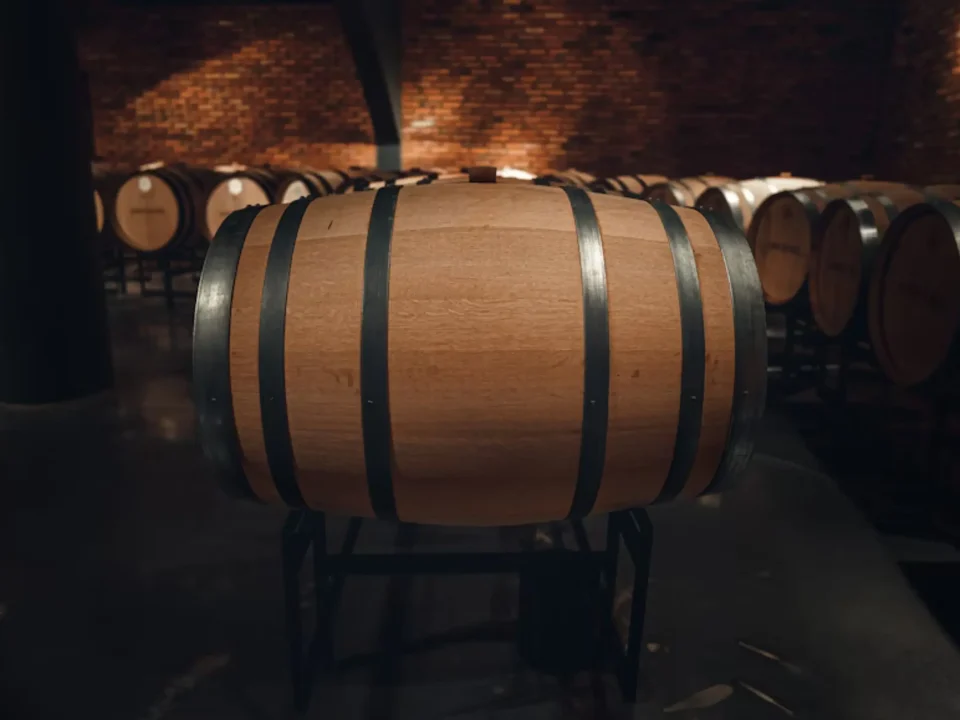
Understanding how new oak barrels are made helps explain why they remain essential to whiskey production and why not all barrels are created equal.
Why Oak Is Used for Whiskey Aging
Oak is a unique wood type because it is both strong and porous. It does not leak, but the wood allows a small amount of air to pass. That prolonged exchange of spirit, wood, and oxygen is the main factor behind maturation.
The wood contains natural compounds such as vanillin, tannins, and sugars. Eventually, these compounds dissolve into the whisky, influencing its aroma, mouth feel, and finish. Whisky barrels are therefore not interchangeable with other types of material containers.
Selecting the Right Oak Trees
Barrel making starts with oak trees that are often decades old. The trees are selected for straight grain and minimal knots, which ensures consistency in the final barrel.
Once felled, the logs are cut into sections and split along the grain rather than sawn across it. Splitting preserves the wood’s natural structure, reducing the risk of leaks later. This step is critical in producing barrels that can hold liquid for years without failure.
Seasoning the Oak
The freshly cut oak is not yet ready to be turned into a barrel. It is necessary to season the wood, a process that usually takes from 1.5 to 3 years.
During the process of seasoning:
- The staves are put together outside in piles
- The rain, wind, and sun gradually get rid of the firm tannins
- The moisture content is naturally levelled out
This gradual exposure enhances the wood’s contact with the whiskey. Rushing this step can result in strong Flavors or structural issues. Quality new oak barrels rely heavily on proper seasoning.
Shaping the Barrel Staves
After seasoning, the oak is cut into staves: the long, curved pieces that form the barrel’s body. Each stave is carefully shaped so it fits tightly with the others once assembled.
Coopers rely on precision rather than adhesives. A well-made barrel holds together through pressure and craftsmanship alone. The curvature of the staves is essential, as it allows the barrel to maintain strength while accommodating changes in temperature and humidity.
Raising the Barrel
The term “raising the barrel signifies the initial stage of putting the staves together in a provisional shape with the application of metal hoops around them. Presently, the barrel has no cover at either end.
Heat is then applied to give the staves their desired shape. The method typically used is either fire or steam. Heat treatment makes the wood fibers pliable. Hence, the staves can move inwards without the risk of splitting.
This procedure requires a high level of skill. Excessive heat might ruin the wood. Insufficient heat and the barrel will collapse.
Toasting and Charring
Once shaped, the interior of the barrel is toasted or charred. This is one of the most influential stages in barrel making.
Toasting gently heats the inside of the barrel, encouraging sugars in the wood to caramelize. Charring involves exposing the interior to open flame, creating a layer of charred wood.
Different levels of toast or char affect how whiskey barrels interact with the spirit:
- Light toast emphasizes wood sugars
- Medium toast enhances vanilla and spice
- Heavy char introduces smoky, robust notes
Distillers choose barrel profiles based on the style of whiskey they want to produce.
Finishing and Quality Checks
Afterwards, the barrel heads are permanently charrered and fitted, along with securing the hoops. Leak testing is performed on every barrel, which usually involves filling it with either water or steam.
Only barrels that pass inspection are allowed. This quality-control process ensures the barrel’s ability to withstand years of use in a rick house, without affecting the aging spirit.
The barrel has reached the stage of being filled. The subsequent event is determined by temporal and environmental factors, as well as the distiller’s maturation method.
Why Barrel Craftsmanship Matters
A barrel is not just a container. It is an active part of the aging process. Poorly made barrels can introduce off-flavors, leak, or fail structurally. Well-crafted whisky barrels contribute consistency and depth across batches.
This is why distillers continue to rely on cooperage traditions that balance hand skill with modern precision.
FAQs
Why are whiskey barrels made from oak?
Oak provides strength, flexibility, and natural compounds that interact with whiskey during aging, contributing to flavor, color, and aroma.
What is the difference between whiskey barrels and whisky barrels?
The difference is in regional spelling. “Whiskey” is commonly used in the United States and Ireland, while “whisky” is used in Scotland and other regions.
How long does oak need to season before becoming a barrel?
Oak staves are typically seasoned outdoors for 18 months to three years to reduce harsh tannins and stabilize the wood.
Why are new oak barrels required for some whiskeys?
New oak barrels introduce fresh wood compounds and sugars that influence maturation, which is why they are required in certain whiskey styles.
Does the char level affect whiskey flavor?
Yes. Different char levels change how the wood interacts with the spirit, affecting sweetness, spice, and depth during aging.
Conclusion
Precision and patience are the foundations of the entire process of new oak barrel making, from selecting the best oak trees to seasoned staves to controlled charring. Every step of the process influences the whiskey’s evolution once it enters the barrel.
Distillers seeking high-quality and dependable whiskey barrels will discover that barrel-making expertise is just as essential as the spirit itself. The Rocky Mountain Barrel Company integrates this method, using barrels designed exclusively for aging, ensuring that the wood enhances the whiskey rather than overpowering it. Overshadow the whiskey but support it instead.