
International Shipping Guide for Bourbon Barrels
November 19, 2026
Key Takeaways
- Leaks, cracks, and unpleasant smells of any kind, even after long periods of time, indicate inspection prior to filling the barrel again.
- The barrel, having been watertight, may still not have enough oak character for your taste preferences.
- Instead of counting how many times a cask has been filled, assess every cask for structure, flavor contribution, and cleanliness.
Introduction
Despite the appearance of good condition on the outside of a used bourbon barrel, certain factors can cause a decline in the barrel’s ability to deliver desired flavor and quality in your hand-crafted spirits. Used bourbon barrels are subject to weakened staves, leaks, and a decline in the barrel’s oak character, which signals the end of the barrel’s use.
These changes must be monitored when aging spirits in oak barrels to prevent the use of a subpar barrel to produce a subpar spirit that fails to deliver in terms of taste and aromas. We explore the key indicators of deterioration in used bourbon barrels and when it is time to retire them.
1. Persistent Leaks and Structural Damage
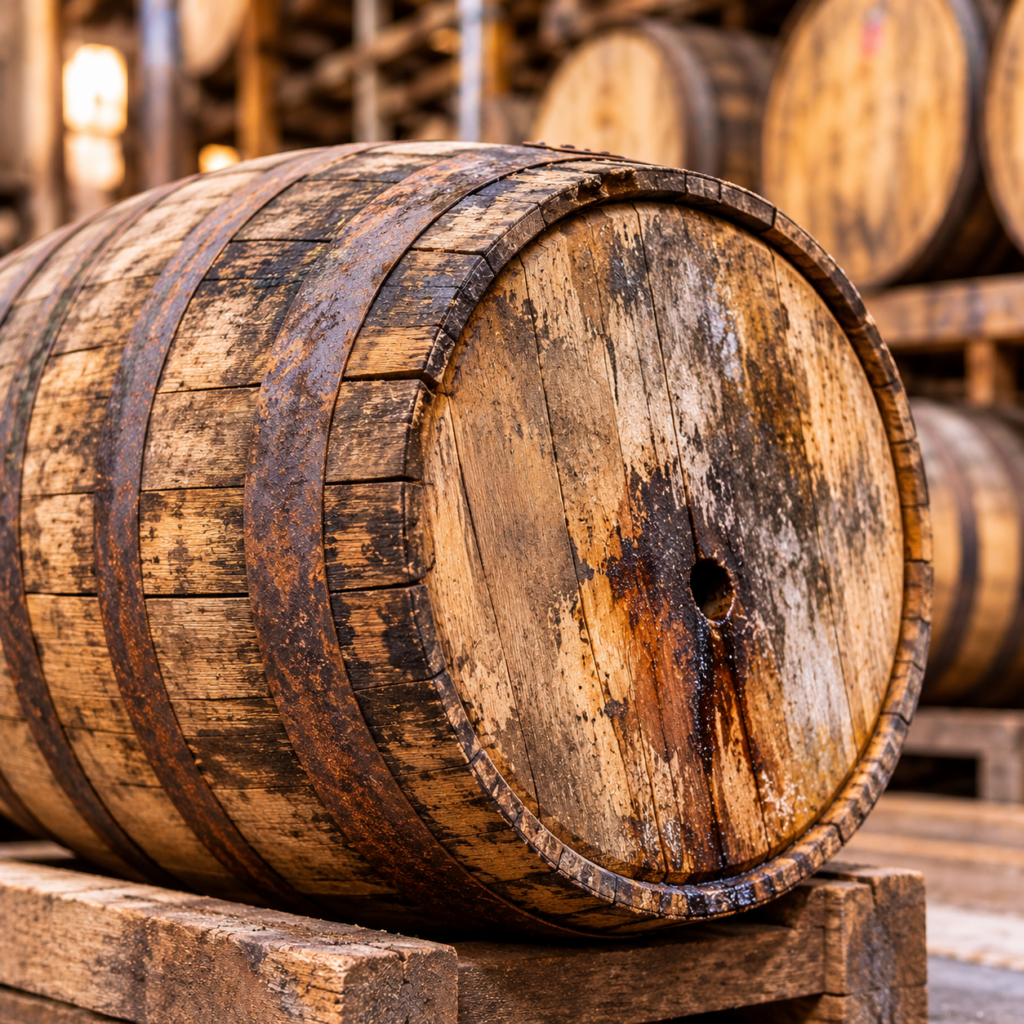
Repeated liquid loss makes a barrel unsuitable until the cause is identified. Dry staves may cause minor seepage, while ongoing leakage can signal a split stave, damaged head, or loose hoops.
Check joints, ends, and hoops for wet patches, cracks, or corrosion. Hydration may close a small gap but cannot fix broken staves or a damaged head. Persistent leaks need a cooper’s assessment.
2. Faded Oak Flavor and Aroma
A sound barrel may still have little oak character left. Each fill generally extracts fewer compounds that contribute to vanilla, toast, spice, and color.
Aging spirits in oak barrels develop aroma, color, and flavor through wood contact. If a spirit gains little oak character beside samples from similar casks, the barrel may be exhausted for primary maturation. Compare tasting notes rather than judging by age. This matters when aging spirits in oak barrels for a consistent profile, especially when producing barrel-aged bourbon.
3. Sour, Musty, or Chemical Smells
A familiar whiskey or toasted oak aroma is expected in a previously filled bourbon barrel. A sharp vinegar-like smell, persistent mustiness, rotten odor, or chemical scent is different and should not be ignored.
Such smells may point to microbial activity, poor storage, or unsuitable cleaners. Residual bourbon character is normal; strong sour or mold-like odors are not. Keep the cask out of service. Rinsing does not establish safety, even for barrel-aged bourbon.
4. Visible Mold and Interior Contamination
Fuzzy growth or persistent mustiness calls for caution. Check the bung hole, heads, and interior, particularly after damp storage.
Dark marks may be just old stains, but uncertain contamination means do not fill the barrel. Arrange inspection and sanitation; retire it if contamination cannot be resolved.
5. Dry Staves, Weak Wood, and Loose Hoops
Oak must remain sound enough to contain liquid. Drying, rough handling, and poor storage can leave staves brittle, warped, or split; loose hoops can affect the barrel’s shape.
Look for splits, crumbling wood, warped heads, and loose hoops. Hydration cannot restore rotten wood or repair major damage. Have questionable casks inspected.
6. A Three-Point Test Before Reuse
No fixed number of fills can determine if a bourbon barrel is finished or not. Many factors have to be taken into account: previous use, storage, and desired results.
- Structure: Will it hold liquid without leaking?
- Flavor: Does the bourbon aging flavor in the wood complement the bourbon that will be aged in the barrel for this additional time?
- Cleanliness: Does there appear to be any kind of unusual growth, overpowering smells, or unknown stains within the container’s interior surfaces?
May be used for alternative purposes, provided they are sound and clean, even if they have low oak extraction. Individual used oak barrels should be inspected prior to their reuse. Finishing casks are designed to add secondary flavors during a shorter finish. Therefore, they should only be chosen after the condition of the used barrel has been checked.
Conclusion
A barrel should earn its next fill through sound structure, useful flavor, and a clean interior. When any check raises concern, assess the cask rather than risking a batch of spirit. Explore barrel options for your next project at Rocky Mountain Barrel Company.
Frequently Asked Questions
How many times can a bourbon barrel be reused for aging?
There is no fixed reuse limit. Each fill generally reduces extractable oak character, while storage and maintenance affect condition. Assess the cask and its flavor contribution before another cycle.
How can I tell if a barrel has lost its oak flavor?
Look for little change in color, aroma, or flavor compared with spirits in similar barrels. Weak vanilla, toast, and spice notes can suggest the wood has less to contribute. A side-by-side sample comparison is a practical check.
What causes a used barrel to leak, and can it be repaired?
Dry or split staves, damaged heads, and loose hoops are common causes. Minor seepage may stop after appropriate hydration, but persistent leaks or structural damage should be assessed by a qualified cooper.
Can a spent bourbon barrel still be used for finishing?
Sometimes. A barrel with reduced oak extraction may suit a short finishing period if it is sound, clean, and free from unwanted odors or contamination. Check the spirit regularly to avoid an unbalanced result.
Is it safe to age spirits in a barrel that smells sour or has mold?
Do not use it until the cause has been assessed. Sour odors and visible mold can signal contamination, and rinsing alone may not resolve it. If the barrel cannot be reliably cleared, retire it.