
Why is bourbon aged in new barrels? (and why that creates used barrels for sale)
October 21, 2026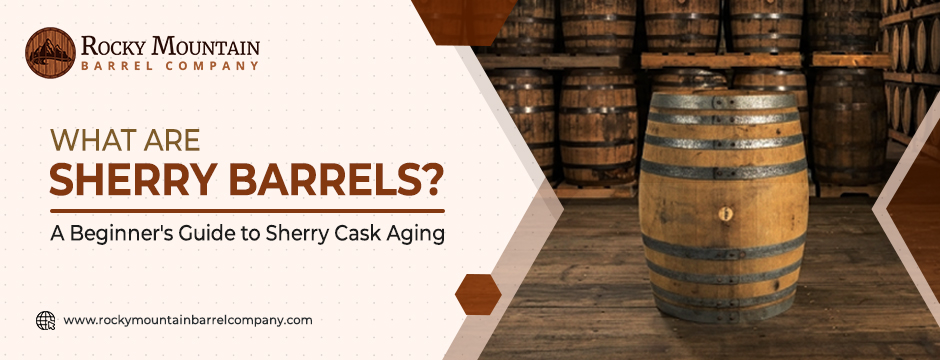
Key Takeaways
- Sherry barrels are oak casks that have been seasoned with Sherry, creating a distinctive environment for spirit maturation.
- Most traditional Sherry butts are made from American oak and are considerably larger than standard bourbon barrels.
- The Sherry seasoning process influences the cask’s character and can contribute dried-fruit, nutty, spice, and rich sweetness to whiskey.
- Cask type, previous contents, seasoning, spirit strength, and maturation time all influence the final flavor.
- Finishing casks can provide a shorter period of Sherry influence without requiring the spirit to mature entirely in a Sherry-seasoned vessel.
For anyone exploring whiskey maturation, sherry barrels can seem straightforward at first: oak barrels that previously held Sherry. The reality is more interesting. Their influence comes from the interaction between oak, the wine used for seasoning, the length of seasoning, and the spirit that eventually enters the cask.
Understanding those variables makes it easier to appreciate why two Sherry-aged whiskeys can taste remarkably different.
What Exactly Is a Sherry Barrel?
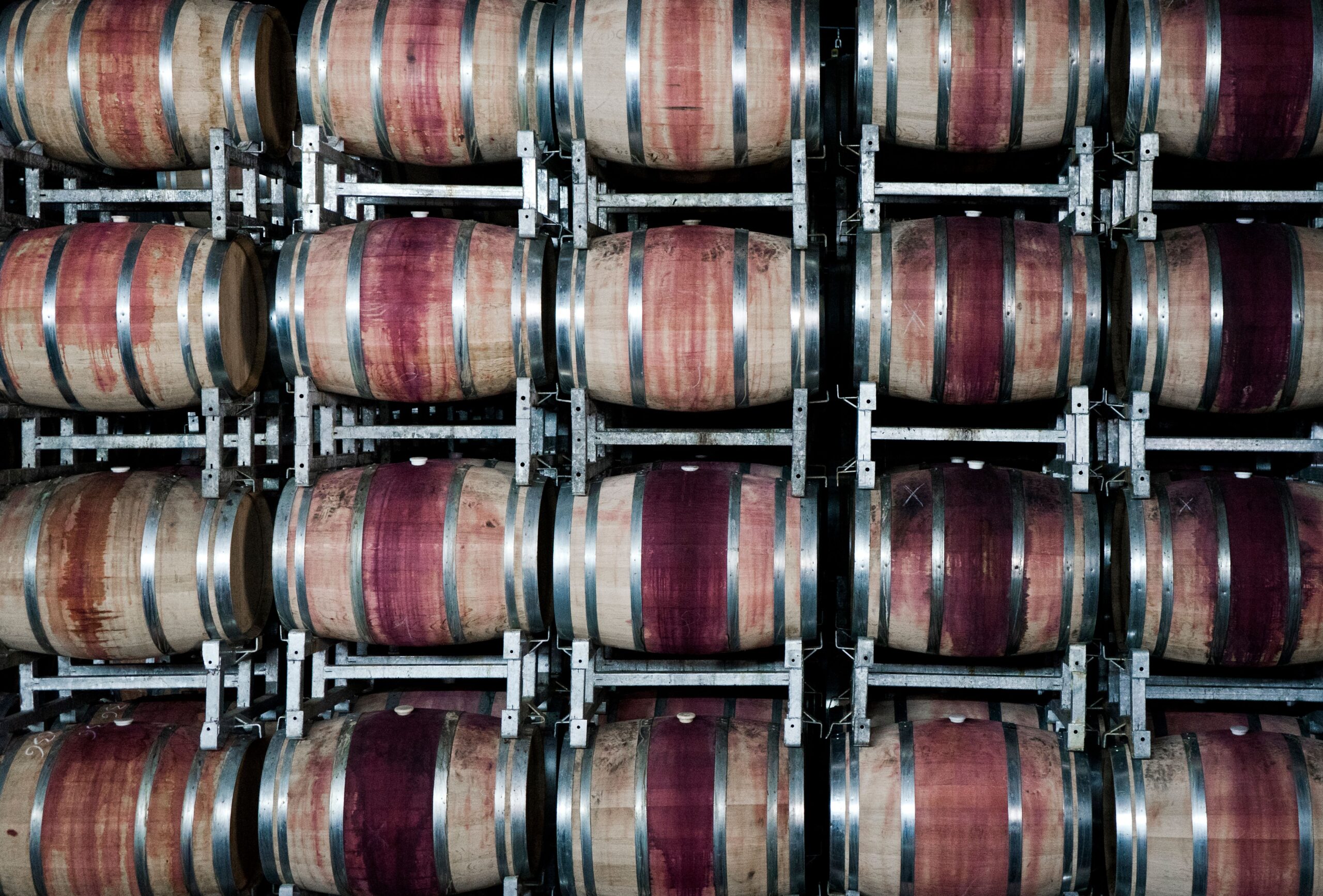
A Sherry barrel is an oak cask that has been used to hold or season with Sherry wine before being used to mature another beverage, commonly whiskey. In the Jerez region of Spain, traditional Sherry casks are generally larger than the barrels commonly associated with American whiskey.
A standard Sherry bodega butt can hold around 600 liters, while export butts have traditionally held around 500 liters. American oak is widely used because of its suitability for Sherry production and its relatively restrained contribution of tannins compared with some other oak types.
That size matters. A larger cask has a lower wood-to-spirit ratio, so maturation can behave differently from that in a smaller barrel.
Why Does Sherry Seasoning Matter?
The important distinction is between a barrel that merely once contained Sherry and a properly Sherry-seasoned cask.
During seasoning, Sherry interacts with the oak, leaving components of the wine within the wood. The official Sherry authority describes this interaction between wine and oak as a key reason these casks develop their characteristic properties.
In contemporary times, creation of Sherry casks can involve the services of a cooperage for cask construction and a bodega for the seasoning of the casks using Sherry produced in the Jerez Denomination of Origin. The certified Sherry casks confirm the traceability of the action from the time period of seasoning to the capacity and the type of the wine used in the process.
From Oloroso to Pedro Ximénez: The Wine Matters
Not every Sherry-seasoned cask produces the same profile.
Oloroso-seasoned casks are widely associated with whiskey maturation and can contribute rich, nutty, dried-fruit characteristics. Pedro Ximénez, or PX, is a much sweeter Sherry style and can create a different influence. Other Sherry styles can also be used.
Sherry Butt vs. Hogshead: What’s the Difference?
A Sherry butt is a large traditional Sherry cask, commonly around 500–600 liters depending on the type. A hogshead is generally smaller and is a different cask format used extensively in the Scotch whisky industry.
Apart from traditional sherry casks, hogsheads can also be constructed from remade cask part; therefore, the maturation characteristics of hogsheads are different from those of sherry butts. Due to the bigger size of the butt, the extraction of wood usually is slower than in a smaller barrel, but the maturation cannot be determined by the size of the barrel only.
For buyers searching for sherry barrels for sale, cask capacity should therefore be only one consideration. Seasoning history and provenance can matter just as much.
Where Finishing Casks Come In
Whiskey doesn’t always spend its entire maturation in a Sherry-seasoned vessel.
A distiller may mature a spirit primarily in another cask and then transfer it to Sherry-seasoned finishing casks for a shorter period. This cask finishing process can add another layer of flavor and color without making the Sherry-seasoned cask the spirit’s sole maturation environment.
For distilleries exploring different finishing profiles, sourcing the right cask can be just as important as deciding how long the spirit will spend in it. Rocky Mountain Barrel Company supplies distilleries and breweries with used barrels, wine casks, finishing casks, and other specialty imports, giving producers access to different cask options for experimentation and maturation programs.
The timing is important. Too little contact may produce a subtle effect, while extended finishing can create a much more pronounced profile. There is no universal ideal because the starting spirit, cask condition, warehouse environment, and desired result all differ.
Why Are Sherry Barrels So Expensive?
Authentic Sherry-seasoned casks can cost more because their production involves more than simply emptying a wine barrel and shipping it to a distillery.
Casks may need to be specially made, transported to Jerez, seasoned with Sherry, monitored, certified, and eventually shipped to their destination. The seasoning process itself can take significant time, and the supply chain involves cooperages, bodegas, and distilleries.
That helps explain why sherry barrels for sale can command a premium, particularly when provenance and seasoning are documented.
What Flavors Can Sherry Casks Add to Whiskey?
Sherry-seasoned oak can contribute or enhance flavors commonly described as:
- Dried fruit
- Raisin and fig
- Nuts and marzipan
- Dark chocolate
- Baking spice
- Rich fruitcake
- Deep color
- Subtle oak and tannin
These aren’t guaranteed tasting notes. The final character depends on the spirit, cask, maturation conditions, and length of contact.
How Long Should Whiskey Stay in a Sherry Cask?
There is no universal maturation period. A whiskey may spend years in a Sherry-seasoned butt or only a comparatively short period undergoing a cask finishing process.
Time is only one variable. Cask size, spirit strength, warehouse conditions, previous use, and the intensity of the cask all influence how quickly the whiskey changes.
The best approach is to evaluate the spirit rather than rely on a fixed number of months or years.
FAQs
What is a sherry barrel used for?
A Sherry barrel is commonly used to mature or finish spirits such as whiskey. The seasoned oak can contribute color, aroma, flavor, and additional complexity to the spirit during maturation.
What’s the difference between a sherry butt and a sherry hogshead?
A Sherry butt is a large traditional cask, commonly around 500–600 liters. A hogshead is a smaller cask format frequently used for whisky maturation, with different construction and wood-to-spirit characteristics.
Why are sherry barrels so expensive?
The cost can reflect specialist cooperage, Sherry seasoning, transportation, certification, time, and provenance. Properly prepared casks involve a more involved production chain than an ordinary used wine barrel.
What flavors do sherry casks add to whiskey?
Depending on the Sherry style and cask, whiskey may develop notes associated with dried fruit, raisins, figs, nuts, spice, chocolate, fruitcake, and deeper color. The exact profile varies considerably.
How long should whiskey be aged in a sherry cask?
There is no fixed ideal. Long maturation and shorter finishing casks applications can produce different results, with the appropriate duration depending on the spirit, cask characteristics, warehouse conditions, and desired flavor profile.