The Science Behind Whiskey Maturation in Oak Barrels
August 22, 2025
Sourcing Barrels at Scale: What Large Breweries and Distilleries Should Know
September 1, 2025
The unique flavor, smell, and color of whiskey are not only determined by the process of distillation but also by the barrel it is aged in, which is also very important. Everything, including the kind of wood and the prior content in the barrel, affects the maturing of the spirit. To both distillers and fans, knowing the barrels that can be used to age whiskey can assist in creating special taste palates and top-quality final products.
The Barrels in Whiskey Aging
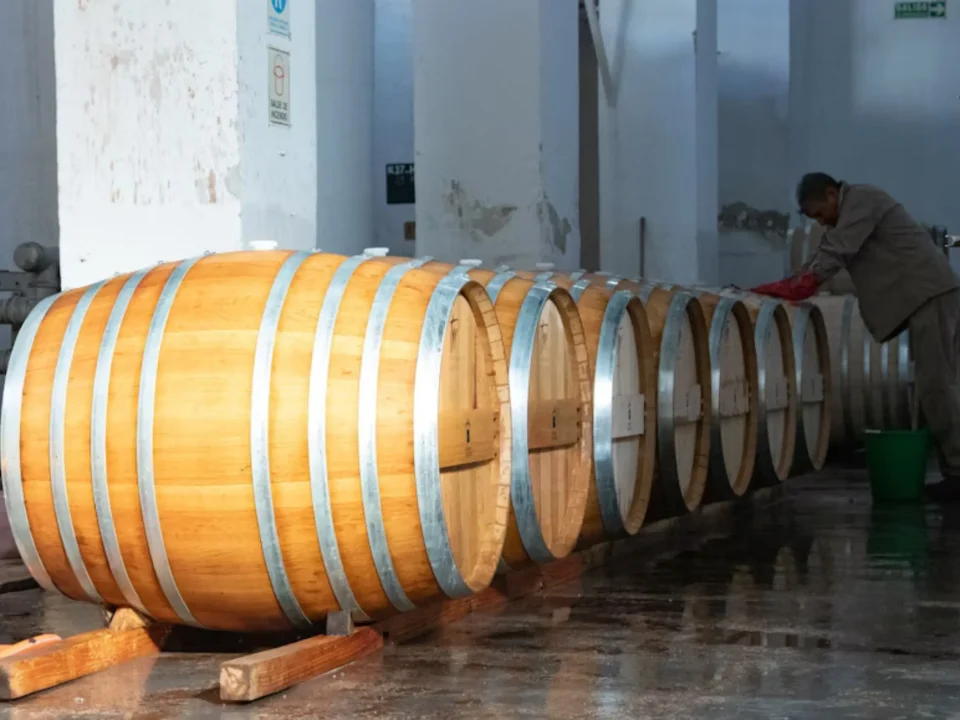
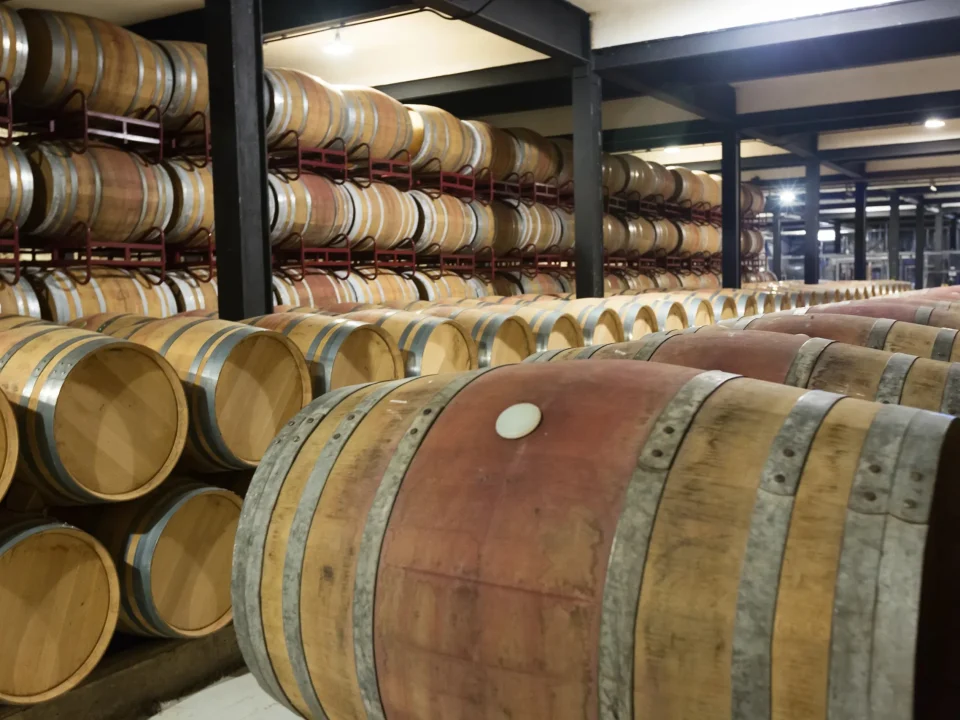
Whiskey barrels are not only storage containers. They serve as an active constituent in the process of maturation. The connection between wood and spirit is what defines how the whiskey will mature, which affects:
- Complexity of flavor due to absorbed substances such as vanillin, tannins, and caramelized sugars.
- A scent of the wood, as well as the liquid that was previously in the barrel.
- The use of color is achieved by the gradual removal of pigments from the burnt interior.
When it comes to traditional aging in used bourbon whiskey barrels or experimenting with exotic finishing casks, you will find that the selection of barrels is everything.
Why Choose Bourbon Barrels in Aging Whiskey
According to U.S. law, bourbon must be stored in new and used charred barrels made of American white oak. After they are used, however, these bourbon barrels remain full of flavors, such as vanilla, caramel, and toasted oak, making them ideal for aging other whiskeys.
Bourbon Barrels on Sale
Due to the consistent availability of bourbon barrels provided by American distilleries, the demand for bourbon barrels in the market is very high among the whiskey producers across the world. Their flexibility makes them a prime candidate for traditional maturation as well as the use of new finishing processes.
Bourbon Whiskey Barrels: Depth and Complexity: Used Barrels
Whiskey that is aged in previously used bourbon whiskey barrels acquires both an oak character and some of the less-obvious flavors of the bourbon that had been aged in the barrel. This creates a more mellow, fuller tasting experience- commonly tasting like honey, spice, and charred sweetness.
Value and Sustainability
The recycling of barrels is economical and environmentally friendly. Distilleries will gain the benefits of high-quality flavor results without incurring the cost of new cooperage, in addition to helping to diminish environmental effects.
Wine Barrels: An Acidic and Complicated Twist
Wine barrels, whether they have been used to age red wine, white wine, or fortified wines, add levels of complexity to whiskey. There are usually notes of berries, dried fruit, and light tannins, making it a very distinctive flavor profile.
Favorite Wine Barrels
Finishing whiskey with oloroso sherry barrels, port wine barrels, and cabernet sauvignon casks is commonplace and can give a whiskey a depth and unique aromatic profile that can make a bottle stand out.
Rum Barrels: Sweetness, tropical Character
Rum barrels provide natural sweetness and molasses, banana, and tropical fruit notes. Their most common use is to complete lighter styles of whiskey, as the additional layer of sugar can come through.
Regional Variations
The whiskey will also acquire various layers of flavor depending on whether the rum was light, dark, or spiced, making rum barrels an interesting and creative ingredient used by distillers.
Considerations When Selecting a Whiskey Aging Barrel
Previous Use
The flavor of the whiskey will also be largely affected by the liquid that was previously contained in the barrel. As an example, sweet vanilla flavors will be introduced by bourbon barrels, and dried-fruit complexity can be introduced by sherry casks.
Type of Wood and Char Level
American oak is associated with more flavorful sweetness, and the European oak has a spicier and more tannin-like flavor. The degree of charring within the barrel also affects flavor intensity, aroma, and the extraction of color.
Barrel Size
The smaller barrels result in a higher surface contact and thus, a quicker and more intense maturation, whereas the larger barrels enable a slower and more subtle aging process.
Conclusion: Barrel Choice to Enhance Your Whiskey
Whiskey aging barrels have become a type of make-or-break when it comes to the final character of your spirit, with everything available, including traditional bourbon barrels, wine barrels, rum barrels, and even exotic casks. Knowing the effect of each type of barrel on flavor, aroma, and texture enables distillers to produce whiskey products that are unique in the market.
When you need quality bourbon barrels for sale or used bourbon whiskey barrels that are sourced by experts, think Rocky Mountain Barrel Company. Shipping globally with high-quality name-brand barrels and amazing customer service, they will do everything to find you the right cask to make your next great whiskey.
FAQs
Q1: Exotic bourbon vs wine cask barrel characteristics.
Ans: Exotic bourbon barrels come from 1-2 uses of cask American bourbon barrels made with American oak. They cost $25-40 and generally impart more vanilla or caramel. Wine casks (used to store either red or white wine) generally run $30-60 and have more fruit and tannin, which may be more complex. Ex-bourbon barrels are rapidly more flavor leaching than good casks.
Q2: What’s the difference in price between used and new casks? Why are some casks especially expensive?
Ans: New bourbon casks cost $150-250 while ex-bourbon casks run $25-40. This is a price difference of about $100-200 for casks used to rapidly leach flavor in a short time (6-12 months bourbon aging) versus longer leaching casks (2+ years bourbon aging). Flavor leaching time and cost casks used for bourbon aging new casks price ~$100-200.
Q3: How long can a cask be used, and how does this affect the amount of flavor that be extracted?
Ans: Quality wood casks can be used from 50-80 years if kept up and are skillfully made. A cask’s maximum flavor contribution comes from its first use. Flavor leaching contributes 40-50% less the second time, 30-20% the third, and taste nearly zero after that.
Q4: How does taste contribution from a cask correlate with the char level?
Ans: Char levels from 1-4 (light to heavy) affect taste leaching time and how intense taste contribution is. A light char (level 1) casks leach a gentle vanilla flavor, while heavy char (level 4) casks leach flavor of charred oak and caramel and how each increase impacts leaching and color by 15-20% after a month. Standard for the industry is a medium char or level 3.