
Charred vs Toasted Barrels: Which Is Best for Whiskey Aging?
January 16, 2026
Blending Wine from Multiple Barrels: Tips for Wineries
January 27, 2026
Aged spirits and fine wines always have a barrel that has lived a long but purposeful life behind them. The changes that a barrel experiences during its use, such as physical, chemical, and sensory, gradually determine the final product. The makers and sellers of the barrel then make choices that are influenced by the understanding of this journey, such as selection, reuse, and long-term value.
Understanding the Barrel Lifecycle
Before any liquid ever enters a barrel, the barrel life cycle begins. The selection, seasoning, and building of oak will define the interaction of wood with spirits or wine even years after. After assembling and toasting, the barrel is taken for active use, where it contributes to the flavor development.
In the first stages of the barrel’s life, the barrels are filled with the newly made spirit or wine which exhumes the tannins, vanillin, and wood sugars the most. The older the barrels become and the more they are reused, the less their influence becomes, changing from strong structural impact to subtle aromatic contribution.
First Fill: Life Inside the Distillery
The very first filling of a barrel typically takes place in a distillery, where it comes in contact with high-proof spirit and goes through large temperature changes. This is the period when whiskey barrels get their characteristic strong and rich flavors.
At the same time, the spirit is living a life in the barrel with daily seasonal temperature variations. This interaction is responsible for the extraction of color, taste, and even more complicated flavors. When we finally empty the barrel, we consume a great deal of its extractive power, yet it remains far from being useless.
Transitioning Beyond Primary Use
Once the distilling process is finished, the barrels undergo a series of inspections, reconditioning, and grading. The barrels differ in terms of their character and some still have enough for the aging of the spirits to come, while others are more appropriate for wine or special applications. This phase is vital, as wrong treatment can reduce the barrel’s active life.
For the wine industry, the use of whisky barrels that were previously in use provides a mild oak impact that does not interfere with the fruits’ character. Barrels at this stage usually reinforce the structure rather than take the lead, thus making them perfect for aging programs lasting several years.
Secondary Use in Wine Cellars
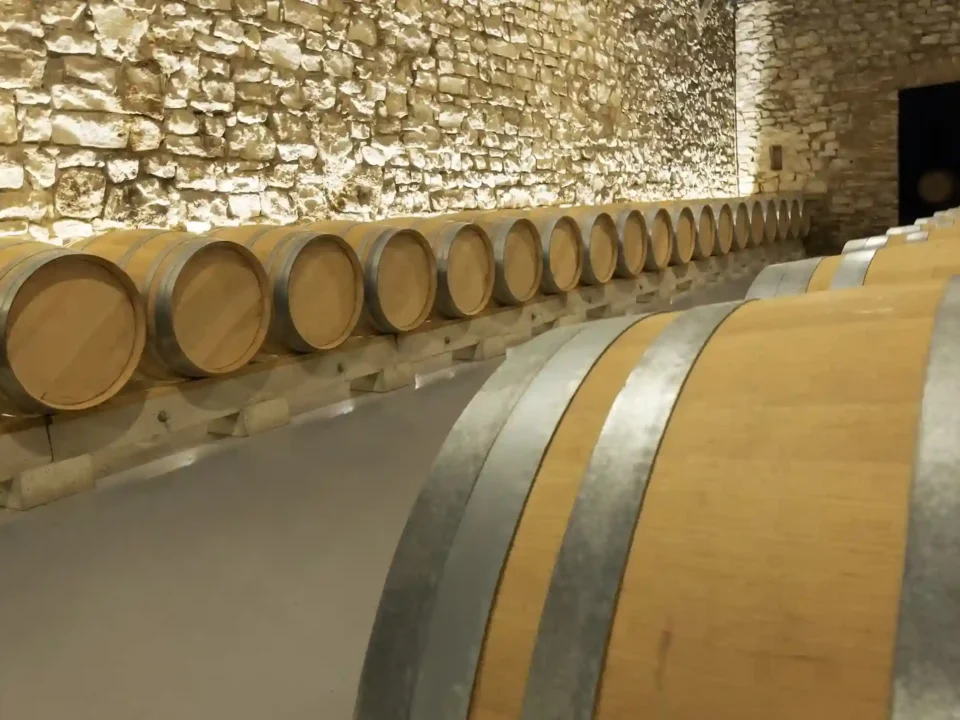
Once in a cellar, barrels take on a quieter but equally important role. Oxygen exchange through the wood helps soften tannins and integrate flavors over time. Unlike distillery environments, cellar conditions are controlled and consistent, allowing barrels to age wine gradually and predictably.
Used Whiskey barrels are particularly valued for experimental programs, offering subtle sweetness and spice that complements certain varietals without masking their natural profile.
Aging, Maintenance, and Longevity
The maintenance of barrels becomes a necessity when they are advancing in their barrel lifecycle. The hydration, sanitation, and proper storage of barrels help to prevent leaks, microbial growth, and stave degradation. In fact, with proper care, barrels can endure for long years, even as their flavor contribution gradually changes.
At last, barrels will come to a point when their structural integrity or permeability will not allow their further use. Some will be sold for neutral aging, decor, or specialty finishing.
Why the Barrel Journey Matters
Understanding how whisky barrels move from distillery to cellar helps buyers select barrels based on use history, not just appearance. Each stage of the journey leaves a measurable imprint on the wood, influencing how it will perform next.
Suppliers that understand this progression are better positioned to match barrels with the right application, whether that is bold spirit maturation or delicate wine aging.
Final Thoughts
A barrel’s journey extends beyond a single use, undergoing a series of transformations shaped by its environment, care, and intention. Proper management adds character and value at each stage from the first filling to the final cellar resting.
Rocky Mountain Barrel Company guarantees that the barrels it sells are all documented and their future is clear through careful sourcing and inspection. Knowing the previous location of a barrel enables the producers to determine the next location for it, thus turning experience into consistency and craftsmanship into results.