New Barrels vs Used Barrels: Cost Analysis for Distilleries
June 30, 2026
Why Breweries Prefer Used Bourbon Barrels for Barrel-Aged Beer
July 10, 2026
Key Takeaways
- Oak barrel imports give distillers access to a wide variety of barrel types that influence aroma, flavor, color, and mouthfeel.
- Finishing casks are used after primary maturation to add new layers of complexity without completely changing a spirit’s original character.
- American and European oak each contribute distinct flavor profiles, making barrel selection an important production decision.
- Imported oak barrels and specialty casks allow producers to create unique expressions that stand out in a competitive market.
- While the terms “barrel-finished” and “cask-finished” are often used interchangeably, their meaning can vary depending on the producer and the vessel used.
The type of oak can make a huge difference in the quality of a spirit. Distilleries can get barrels from various regions through oak barrel imports, which each have their own kind of wood properties and maturation. Imported barrels may be used to mature beverages such as wine, sherry, bourbon, rum, port, or other spirits, and can often develop unique flavor profiles that would not be possible with new oak barrels.
With the increasing demand by consumers for premium and limited-quantity spirits, the availability of imported barrels is playing an increasing role in product innovation.
What Is a Finishing Cask?
A finishing cask is a barrel that is employed in the last phases of a spirit maturation. The spirit is kept for most of its ageing in its original cask and then moved to another ex-sherry, port, Madeira, rum, or wine cask to complete its ageing.
The intent is not to resume maturation, but to add complementary flavors/aromas. Finishing can bring in notes of dried fruit, vanilla, caramel, spice, chocolate, toasted nuts, or a certain sweetness, depending on the history of the cask, without changing the essence of the spirit.
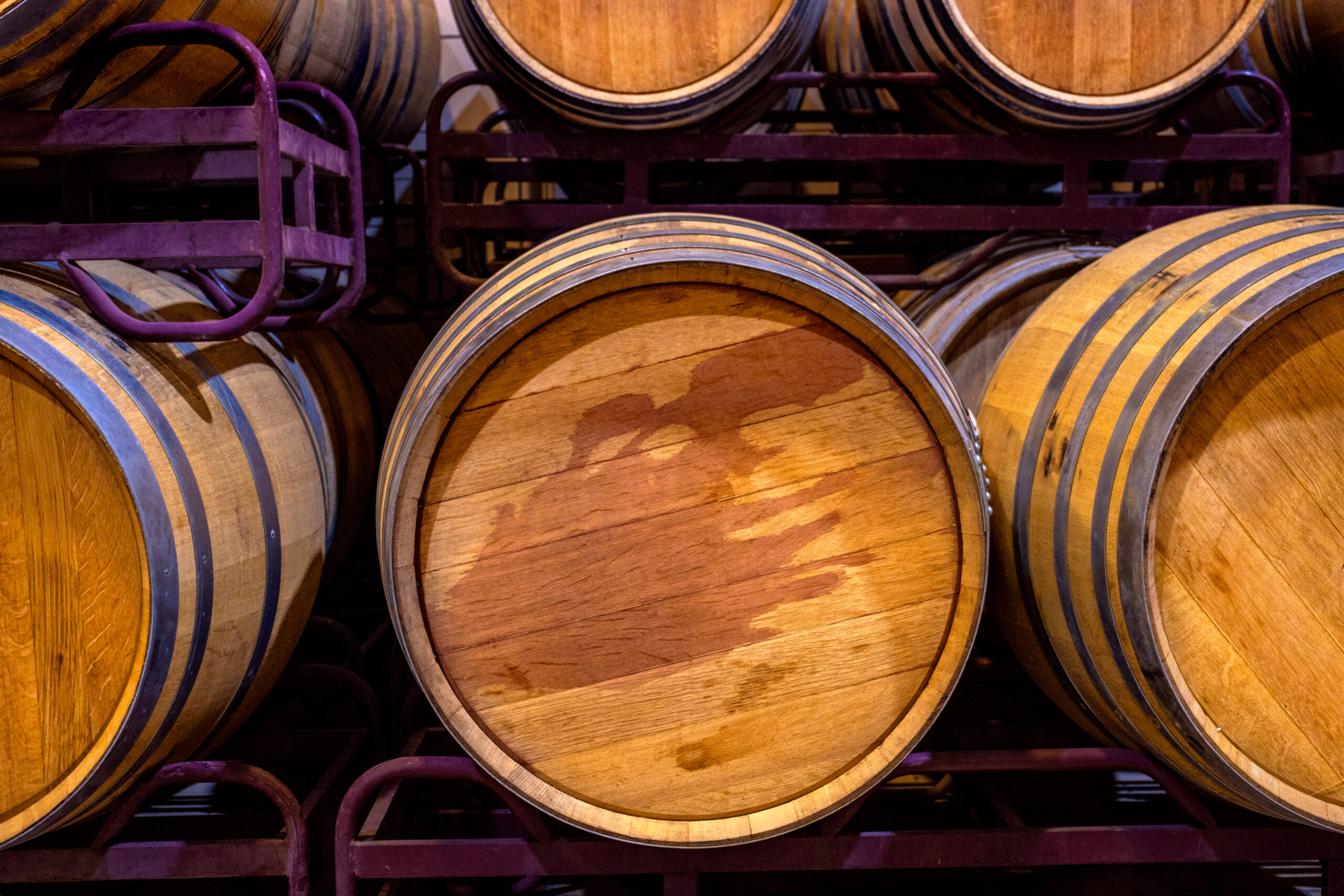
American Oak vs. European Oak Barrels
One of the most important decisions in barrel selection is choosing between American and European oak.
American Oak
American oak has been noted for its relatively open grain and high amount of compounds that impart sweet flavors. Barrels used for maturation can impart flavors such as:
- Vanilla
- Coconut
- Caramel
- Honey
- Sweet baking spices
American oak is a popular choice for bourbon, but it is used in the production of many other spirits due to its easy-to-drink taste.
European Oak
European oak tends to be tighter grained and to provide greater tannins and complex spice quality. Often yields flavors like:
- Clove
- Cinnamon
- Dried fruit
- Dark chocolate
- Roasted nuts
Sherry and high-quality wines are often finished in European oak, and therefore, these barrels are very popular for this purpose.
Why Distillers Use Imported and Exotic Casks
Imported oak barrels can be used to make interesting compositions, different from the standard releases.
The main reasons for using distillers imported or exotic casks are:
- Developing distinctive flavor profiles.
- Building premium or limited-edition product lines.
- Experimenting regional wine or spirit influences.
- Creating greater complexity while finishing.
- Differentiating products in competitive markets.
No two finishing programs are the same since the compounds left in casks from previous finishes will vary for each.
Final Words
With the changing spirits industry, oak barrel imports are now becoming more important for distillers to craft distinctive, sophisticated and engaging spirits. Barrel selection is vital to creating exceptional spirits, whether it involves infusing nuances in the spirits with the finishing casks or selecting barrels imported from some of the world’s most recognized wine and spirits-producing regions.
Every oak has its special features, every barrel tells a story, and various techniques have different impacts on wood. Hence, producing manufacturers are able to obtain original and unforgettable products worthy of connoisseurs and collectors’ attention.
FAQs
What is a finishing cask?
A finishing cask is a secondary barrel used after a spirit has completed most of its primary maturation. The spirit is transferred into this cask to develop additional flavors, aromas, and complexity before bottling.
How long does finishing in a cask take?
This is dependent on the type of spirit being produced, what has been previously in the cask, the barrel size, and the desired style of the spirit. This can range from a few weeks to months. Distillers usually keep checking the spirit’s progress to make sure it’s finished at the correct time.
What is the difference between American oak and European oak barrels?
American oak typically has a sweeter flavor profile of vanilla, coconut, caramel, and honey from its wood. European oak imparts more tannins and more intense flavors such as dried fruit, spices, roasted nuts, and dark chocolate. It depends on the character the distiller wants to achieve.
Why do distillers use imported and exotic casks?
Imported and exotic casks enable distillers to develop distinctive tastes and aromas for their products to distinguish themselves from others. These barrels have the potential to contain wine, sherry, rum, port, or other spirits in the past, which adds to the product’s aroma and complexity and facilitates product innovation and limited-edition releases.
Is barrel-finished the same as cask-finished?
In most cases, yes. Both terms refer to the process of transferring a matured spirit into another wooden vessel for additional aging before bottling. While “barrel” refers to a specific type of vessel, and “cask” is a broader term that includes several barrel styles, the phrases are commonly used interchangeably in the spirits industry.