
Read All About Used Barrels
March 1, 2018
Furniture Ideas for Used Whiskey and Wine Barrels
April 10, 2018
Anyone who has spent time around distillers, winemakers, or even home brewers eventually reaches the same realization: the wood inside the barrel shapes the final drink as much as the grain bill or the grape variety. It’s why people obsess over whiskey barrels, why wineries debate oak origins, and why used barrels travel from one industry to another. The barrel isn’t only for storage. It’s part of the recipe.
At Rocky Mountain Barrel Company, this idea shows up in almost everything they do. Their entire business revolves around finding, sourcing, and restoring barrels that still have something meaningful left to give. From whisky barrels that have held bourbon for years to wine barrels seasoned in vineyards, each one carries a story and a flavor trail. And when you look at the variety of barrels they offer, the conversation naturally turns toward the wood itself; what it adds, how it behaves, and why some producers swear by one species over another.
Here’s a closer look at the main woods used in whiskey, bourbon, and wine barrels, and why they matter so much.
American White Oak: The Backbone of Whiskey Barrels
Most people in the spirits world already know this: American white oak (Quercus alba) is the undisputed standard for bourbon and a considerable part of American whisky production. The wood is strong, cooperative enough to bend during barrel-making, and has tight grains that can hold liquid without leaking. But the real wonder is the wood’s chemical composition.

White oak contains vanillin, lactones, and sugars; the latter two are produced by toasting or charring, which caramelizes sugars. That is the origin of the flavors vanilla, caramel, coconut, warm spice, and so on. When bourbon makers put fresh oak barrels to use (which is a legal requirement for bourbon), the liquor begins extracting those compounds from the toasted layers. Over months and years, the sharp edges soften, and the spirit turns richer in color, darker, and more rounded.
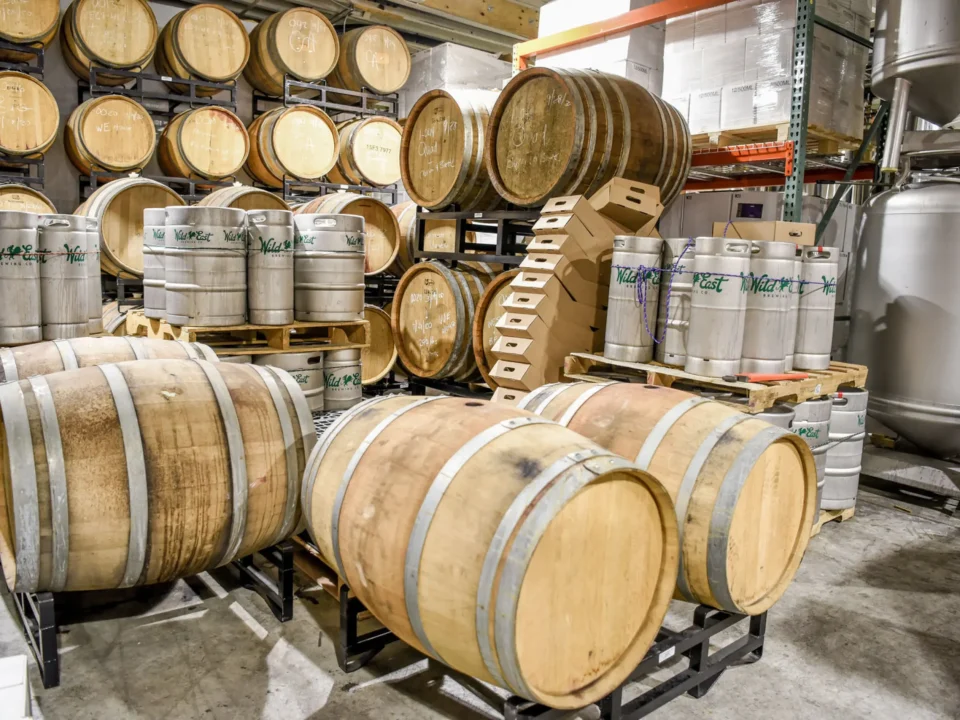
After the new oak barrels have been through their first life, they still have a lot to give. Rocky Mountain Barrel generally does so by putting these previously used whiskey barrels up for sale to breweries, meaderies, craft distillers, and even kombucha producers. They are full of delicate flavors and bring the essence of bourbon, gentle enough not to overpower the next aging. For many smaller producers, these barrels are an economical and inventive way to experiment without having to start from scratch.
French Oak: Softer Spice and a Long Tradition in Wine Barrels
French oak tends to show up first in conversations about wine. It has a soft texture, a slower flavor extraction, and somewhat softer tannins. Wine barrels made from French oak bring notes of baking spice, gentle toast, and a smooth structure that pairs beautifully with Chardonnay, Pinot Noir, Syrah, and other expressive varieties.
These characteristics make the wine perfectly flavored with Chardonnay, Pinot Noir, Syrah, and other expressive varieties. However, French oak is not strictly limited to wine. Many distillers favor it for finished whisky, especially those looking to create a more subtle spice layer rather than the overpowering sweetness American oak imparts.
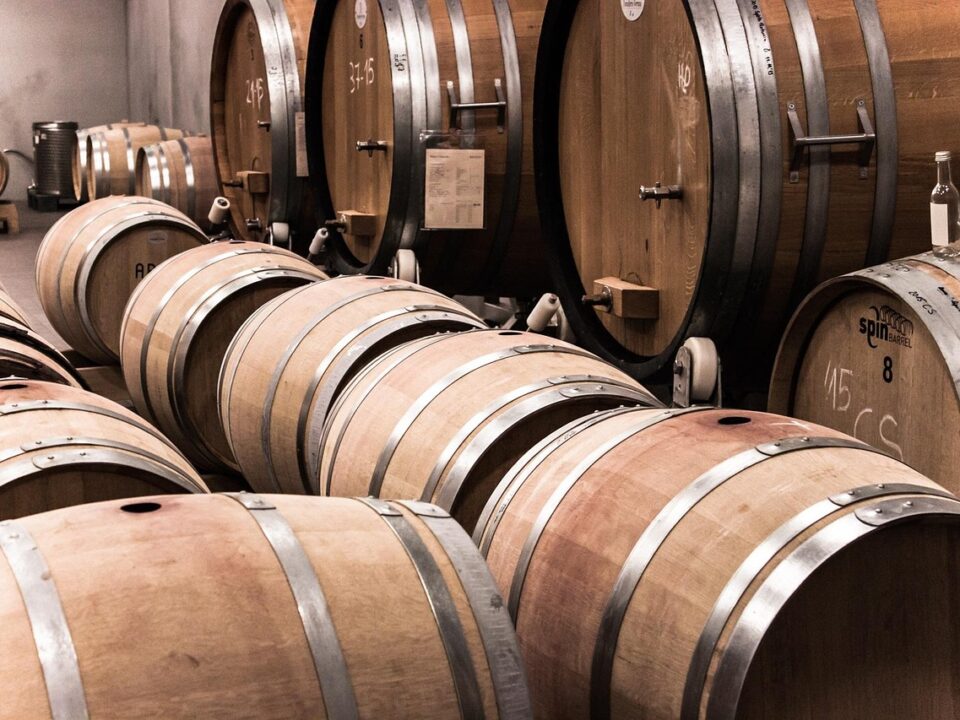
Rocky Mountain Barrel, for instance, takes wine barrels from French cooperages, which are surprisingly popular with producers who want a high-class, vineyard-bred character. Due to the distinctive way French oak trees grow and the need to split the wood rather than saw it, the barrels are costly. Nevertheless, these barrels cost producers a fortune, who appreciate nuances and soft complexity.
Hungarian and European Oak: A Middle Ground With Personality
Hungarian oak (also known as Eastern European oak) has been attracting more attention over the last decade. It brings some of the structure of French oak and some of the bolder character of American oak. The grain tends to be medium-tight, with flavors leaning toward toasted nuttiness, warm spice, and a slightly earthy sweetness.
Wine producers appreciate it because it adds interest without overshadowing delicate varietals. Whisky makers use it for finishing barrels when they want something different but not too dramatic. Rocky Mountain Barrel Company often carries these European wine barrels because they’ve become a favorite among small and mid-sized wineries exploring new styles.
Cherry, Maple & Other Experimental Woods
While oak remains the dominant player, some distillers experiment with alternative woods. Cherry wood brings a mild fruitiness and softer tannins. Maple offers a gentle sweetness and a rounder mouthfeel. These woods usually don’t become full barrels because they lack the strength and tightness of oak, but they sometimes appear as finishing staves or inserts.

Rocky Mountain Barrel Company occasionally works with producers exploring these experimental flavors. Still, they continue coming back to oak barrels for everyday use because nothing matches oak’s balance of structure, durability, and flavor generosity.
Why New Oak Barrels Taste So Different From Used Ones
New oak barrels give big, bold flavors; the kind that bourbon lovers recognize instantly. Everything in the wood is fresh, untouched, and ready to release. As soon as a spirit hits new oak, it starts an intense exchange with the toasted interior.
Used barrels, on the other hand, behave differently. The first fill pulls out the strongest flavors. By the time breweries or whisky makers get them, the wood has mellowed. What remains is a softer, deeper, more integrated character. This is precisely why Rocky Mountain Barrel Company sees so much demand for used whiskey barrels for sale; they bring complexity without overpowering whatever goes inside next.
Final Thoughts
Whether the barrel started in a Kentucky rick house or a French cellar, each type of wood shapes the liquid in unique ways. American oak brings sweetness and strength. The French oak brings grace. The European oak occupies a pleasant place between the two extremes.
And used barrels of any origin carry whispers of everything they’ve already held. For distillers, winemakers, brewers, and even home creators, understanding the wood is understanding the potential of the final drink. Rocky Mountain Barrel helps keep that tradition alive by sourcing barrels that still have something to contribute, something that makes each batch taste like its own story.