
Which Types of Barrels Are Best for Which Alcohol?
January 14, 2026
Charred vs Toasted Barrels: Which Is Best for Whiskey Aging?
January 16, 2026
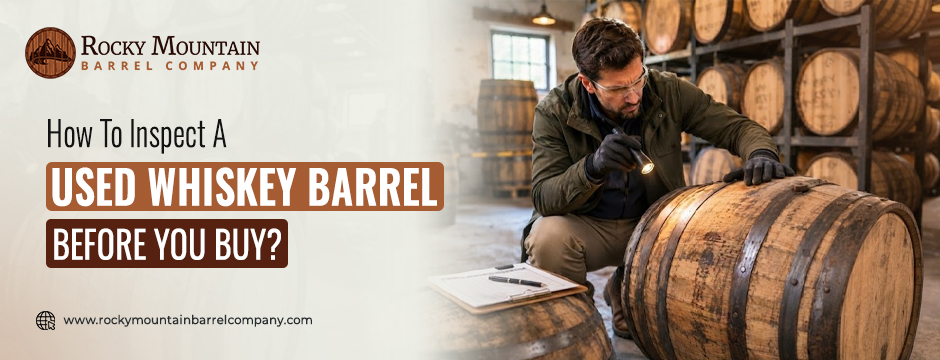
A whiskey barrel plays a far greater role than many people realize. Long before it ever reaches a distillery floor or aging warehouse, the barrel itself determines how successfully it will perform over time. That is why Whiskey Barrel Inspection is a critical step for anyone working with used cooperage, whether for spirits, brewing, or specialty aging projects.
A careful inspection helps prevent leaks, flavor inconsistencies, and structural issues that can compromise both product quality and safety.
Why Whiskey Barrel Inspection Matters
Barrels are materials that live. The wood breathes and, at the same time, absorbs and emits traits in response to its surroundings. Barrels, which at first seem all right, might be covering up problems beneath the surface.
When the old bourbon barrels are involved, the process becomes very crucial. These barrels have already undergone one or more aging cycles, which makes them both valuable and worn out at the same time. A careful inspection indicates that the barrel is still in good condition for subsequent use and will perform as expected during the aging process.
Often, taking this route turns out to be costly later, as the problems it entails include liquid loss, contamination, and uneven aging, among others.
Exterior Examination: What to Look for First
The inspection process should always begin with the barrel’s exterior. Visual cues often reveal early signs of trouble.
Inspect the staves for cracks, warping, or excessive dryness. Small surface checks are standard, but deeper splits can indicate compromised integrity. Pay close attention to the joints between staves, as separation here can worsen once the barrel is filled.
Hoops should sit firmly in place without slipping. Loose or rusted hoops may fail under pressure, especially once the barrel rehydrates. This step applies equally to whiskey barrels and whisky barrels, regardless of origin or previous contents.
Assessing the Barrel Head and Seams
The heads of the barrels are the parts that suffer the most damage. Examine both heads closely for inflation, breaks, or misalignment. If you detect any movement with gentle pressure, it could indicate a faulty seal.
The seams of the heads and staves should be seamless and flush. Dark areas, spaces, or deposits are often signs of past leaks. While some minor issues may be resolved, a large crack will typically render the barrel unsuitable for reuse.
During the Inspection of Old Whiskey Barrels, it is the softening in the process that frequently determines the barrel’s destiny: either it will be a long-term aging one or only a short-term one.
Interior Inspection and Aroma Evaluation
Peering into the barrel reveals critical information about its condition. A flashlight is a good tool for going over the char layer and the interior surface.
The char must be considered entire and evenly spread out. Deterioration is implied by flaking, mold, or soft wood. Discoloration alone is not always a problem, but unusual textures are a concern.
Take a whiff of the inside, but do it with caution. The barrel, which is in excellent condition, will contain familiar notes from its previous use. Very unpleasant and strange to the barrel, musty or chemical odours cannot be tolerated; they are signs of contamination. This step is crucial for assessing used bourbon barrels, as the residual character should aid aging, not hinder it.
Leak Testing and Moisture Response
Leaks can occur even in the finest barrels during storage. Rehydration tests can pinpoint the weaknesses in the wood before the barrels are filled.
The moisture ought to make the wood expand uniformly; hence, the joints would be tightened. Continuous leakage after the process indicates major structural problems.
All whiskey barrels, especially those that have been on the market longer and have been dry longer, must be tested.
Leak checks are a very reliable indicator of a barrel’s usability.
Understanding Barrel History and Usage Limits
A barrel’s history matters. How long it was previously used, what it aged, and how it was stored all affect its remaining lifespan.
Some whisky barrels are better suited for multiple uses due to thicker staves or gentler previous cycles. Others are best reserved for finishing or specialty applications. Knowing these limits helps align barrel selection with realistic expectations.
Reliable suppliers provide transparency around prior use, storage conditions, and handling practices.
Common Mistakes to Avoid During Inspection
One of the most common mistakes is judging a barrel solely by its appearance. A clean outside does not mean the inside is good.
Another mistake is to ignore the condition of the hoops or to think that small leaks will seal on their own. These problems often grow bigger with time.
Finally, rushing through an inspection leads to the omission of important details. A slow but thorough method is always better than a quick visual inspection.
Conclusion: Quality Control Starts with Careful Inspection
The process of inspecting a whiskey barrel goes beyond mere formality; it is, in fact, a protective measure. A Comprehensive Whiskey Barrel Inspection not only ensures product quality but also minimizes waste and confirms that the barrels function as expected throughout their lifetimes.
Each step, from inspecting staves and heads to evaluating fragrance and moisture response, provides a clear picture of the barrel condition.
Whether it is sourcing second-hand bourbon barrels, selecting classic whiskey barrels, or weighing the pros and cons of international whisky barrels, the need for consistent inspection standards remains.
Rocky Mountain Barrel Company employs rigorous quality control and responsible sourcing practices that meet the expectations of practical barrel performance. The aging results are always reliable, no matter the application.