
Know The Difference Between Whisky Barrels And Casks
June 7, 2026
How Long Should Spirits Be Aged in Used Barrels?
June 29, 2026
Key Takeaways
● The degree of barrel char influences the development of flavor, color, filtration, and overall character of aged spirits.
● Higher char levels generate stronger vanilla characteristics, deeper caramel flavors, and better charcoal filtration.
● Different spirits benefit from different char profiles to achieve their desired flavor effects.
● Barrel size, oak species, and char level should all be considered when distilleries look for new barrels to buy.
● Re-used, re-charred barrels provide unique options for maturation but behave differently from the new charred oak.
Distillers considering new oak barrels for sale generally consider barrel size, oak species, and previous use. However, one of the most crucial aspects that influences the final character of a spirit is generally ignored: the char level of the barrel.
The amount of fire exposure a barrel’s interior receives influences everything from flavor extraction and color development to filtration and maturation speed. Bourbon, Rye, Rum, or finding your way around a craft barrel distillery, knowing the char levels can help you make more educated barrel choices.
What Is Barrel Charring?
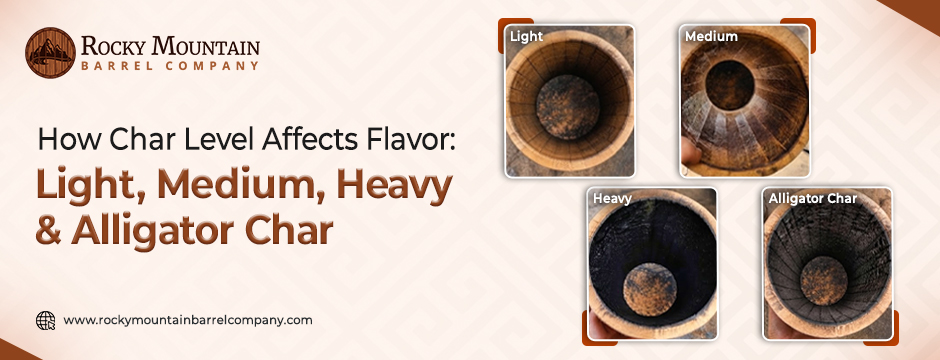
Barrel charring is the controlled burning of the inside of an oak barrel to create a carbon layer that influences flavor, color, and filtration. The heat treatment changes the wood’s chemical structure, creating a charcoal coating and caramelizing the oak’s natural sugars.
It results in a barrel that can impart unique flavors to the spirit and help eliminate certain undesirable chemicals as it ages.
For distilleries investing in new oak barrels for sale, the choice of char level is an important component in defining the spirit’s personality.
Understanding Barrel Char Levels
Char levels may vary a little from cooperage to cooperage, but are commonly divided into the following:
Char Level 1 (15 Seconds)
Sometimes referred to as light char, this level retains much of the oak’s inherent flavor.
Typical flavor contributors are:
- Fresh wood notes
- Light vanilla ice cream.
- Mild spice
- A delicate sweetness
This level may appeal to distillers who want a more selective oak effect.
Char Level 2 (30 Seconds)
This moderate char enhances caramelization while maintaining balanced oak extraction.
Typical features are:
- Caramel soft
- light smoke
- Wood toast
- Balanced vanilla flavor
It is commonly selected for spirits in which both the grain character and the effect of oak are desired to coexist in harmony.
Char Level 3 (35 Seconds)
Char #3 remains one of the most widely used specifications in the spirits industry.
Flavor profiles may feature:
- Rich caramel
- Baking spices
- Enhanced color development
- Greater complexity
Many distillers appreciate its versatility across multiple spirit categories.
Char Level 4 (55 Seconds)
This heavier char, often dubbed “alligator char” because of its broken appearance, produces a more prominent charcoal covering.
Possible flavors are:
- Strong vanilla
- Rich caramel
- Smoky flavors
- Notes of toasted marshmallow
- Amplified filtration effects
Many bourbon makers choose Char #4 because it can provide strong flavor characteristics.
How Char Level Influences Flavor
The relationship between spirit and charred oak is complex.
Typically, higher char levels lead to:
- More caramelization of wood sugars
- Further charcoal filtering
- More vanilla notes
- Deeper color development
Generally, lighter char levels leave:
- Brighter grain impression
- Delicate oak notes
- Notes of finer spice
Selecting the correct char level allows distillers to match barrel characteristics to production objectives.
The Charcoal Layer: Nature’s Filter
The smoke within is used not only for adding flavor.
This layer of charcoal acts as a natural filtration medium, removing sulfur compounds and other undesirable elements from the spirit during its aging period.
Such filtering can help produce a balanced product.
If distillers purchase oak barrels and sell them to other companies, such information about the filtration process will influence their production requirements.
Does Char Level Matter Beyond Whiskey?
Absolutely, when people talk about char, they tend to be referring to whiskey production, but many other spirits benefit from proper char selection.
Some examples include:
Rum – Char levels vary and influence tropical fruit expressiveness, molasses of sweetness, and spice integration.
Tequila – Oak treatment can enhance agave character without being intrusive.
Brandy – Sometimes producers opt for lighter char profiles to preserve more delicate fruit notes.
Experimental Craft Spirits – Innovative producers working in a barrel-distillery setting typically experiment with multiple char levels to create new flavor experiences.
No matter which spirit category you choose, character selection remains a crucial tool.
What About Used Barrels?
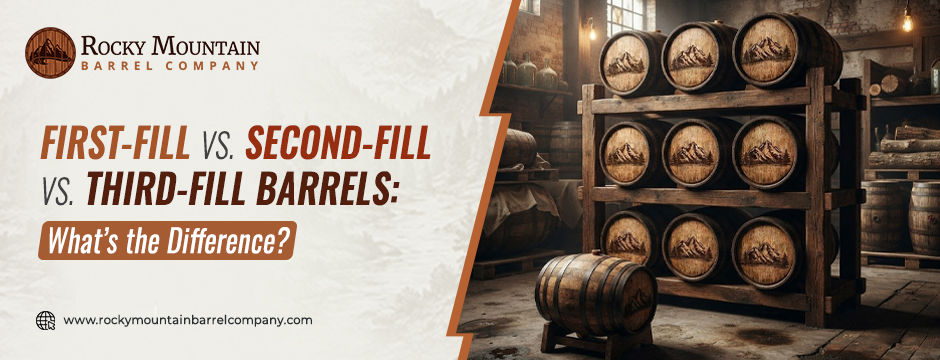
The market for used whiskey barrels is growing as companies explore finishing techniques and secondary maturation programs.
Used barrels usually offer:
- More subtle Oak influence
- Previous flavor qualities developed
- Layered complexity opportunities
Craft distilleries clamoring for unique finishing barrels, particularly those sourced from legendary producers.
For example, there is sometimes demand for Jack Daniel’s distillery barrels for sale, which speaks to the appeal of barrels with a history of maturation.
However, these barrels impart a different taste than freshly charred new oak.
Can Barrels Be Re-Charred?
Re-charring involves removing some of the inside surface of the barrel and then treating it to a new charring.
Possible benefits include:
- Reactivated oak interactions
- Additional filtering properties
- Longer Barrel life
But the re-charring does not fully mimic the properties of a newly built barrel.
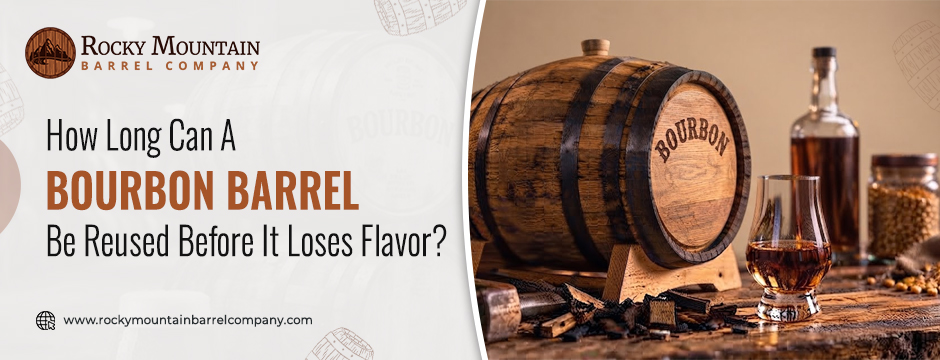
Fresh oak has a full suite of extractable chemicals that diminish with frequent use.
Distilleries considering recharred barrels need to determine whether their output goals align with the maturation profile they achieve.
Selecting the Right Char Level for Your Distillery
There is no one at the “best” char level.
Successful barrel programs consider:
- Type of spirit
- Preferred taste profile
- Aging duration
- Existing barrels inventory
- Consumer expectations.
- Brand positioning
Many makers would test multiple char levels at once to see which specs work best for their products.
Working with skilled barrel suppliers can help distilleries make these decisions more efficiently.
Conclusion
Barrel char levels are one of the most powerful and least appreciated tools available to distillers. The level of charring influences flavor development, filtration, color, and overall character of the spirit – from a delicate oak expression to a robust alligator char effect.
Whether you’re reviewing new oak barrels for sale, looking for old whiskey barrels for sale, or creating creative maturation programs in a burgeoning barrel distillery, knowledge of char levels helps producers make aging selections with intention.
The selection of the correct barrel doesn’t just age a spirit; it helps define it.
Frequently Asked Questions
What are the different barrel char levels, and what do they mean?
Barrel char levels generally range from Char #1 to Char #4. Lower char levels provide gentler oak influence, while heavier char levels produce deeper caramelization, stronger filtration effects, and bolder flavor contributions.
How does char level affect the flavor of whiskey or spirits?
Char level influences vanilla intensity, caramel development, smokiness, spice characteristics, color extraction, and the degree of charcoal filtration during maturation.
Does char level affect spirits other than whiskey?
Yes. Rum, tequila, brandy, and other aged spirits can all be influenced by barrel char selection. Distillers often tailor char specifications to complement specific spirit profiles.
Can a barrel be re-charred, and does it restore its aging properties?
Barrels can be re-charred to extend their usefulness. While re-charring may enhance filtration and introduce renewed oak interaction, it does not fully restore the original extraction potential found in newly constructed barrels.