The Used Barrel Economy: How Reusing Casks Cuts Costs and Carbon
May 27, 2026
Making Your Own Whiskey: A Step-by-Step Guide
June 4, 2026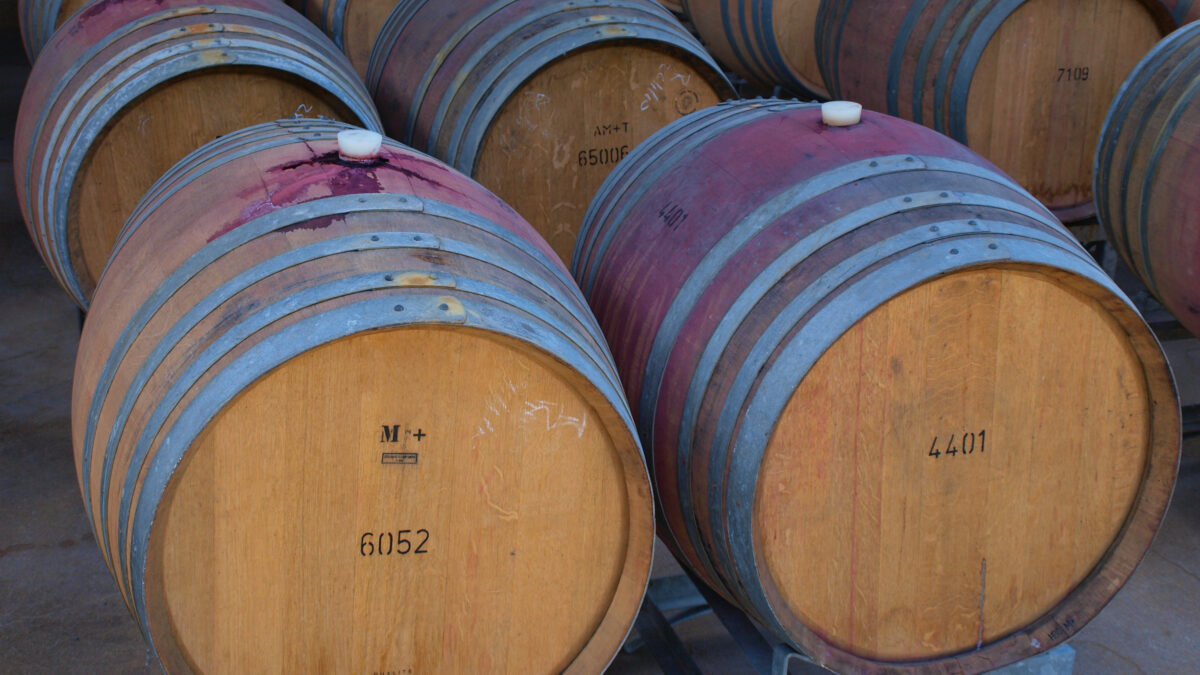
One of the biggest capital costs in any developing distillery, brewery, or winery is sourcing high-quality aging vessels. Wood choices are extremely important, as up to 70% of a spirit’s ultimate taste comes from the wood. All the production manager needs to do is ensure that quality is not compromised by tight margins, which calls for strategic purchasing.
If you’re considering wholesale pricing levels, knowing where the real breakpoints lie can save your business thousands of dollars per year. The logistics, supply chains, and freight realities of sourcing used oak are specific. Let’s explore how quantity purchasing is organized and where the greatest financial benefits can be seen in production inventory upgrades.
Understanding Pricing Tiers for Casks
One of the most prevalent errors of newer craft producers is that pricing is linear. In fact, the secondary oak market functions structurally and clearly by relying on the efficiency of handling, loading labor, and logistics distribution worldwide.
Individual and Pallet Orders (1 to 4 Barrels)
If you’re making small batches of experiments, buying a couple of specialized finishing vessels is a great way to try out a different house style. At this rate, the base rate per unit applies. It is labor-intensive and expensive for the broker on a per-unit basis because the administrative handling costs are spread across fewer units.
Multi-Pallet Configurations (5 – 19 Barrels)
The first real administrative transition occurs when you cross over to another pallet. For this volume, processing efficiency emerges. The handling time per unit is reduced when not moving full freight configurations, thereby enabling reputable brokers to pass some reasonable base discounts to the producer.
Navigating Freight Logistics to Buy Barrels in Bulk Successfully
To gain the greatest financial advantage, you’ll need to consider the total landed cost, including freight, beyond the individual sticker price. It is in freight that small craft often operate ineffectively, and it is in this area that high-volume purchasers make the most savings.
The Power of Full Truckloads (FTL)
The final cost-cutting in the home delivery chain is when you buy a Full Truckload (FTL). A standard 53′ dry van may fit 200 to 240 units, depending on the sizing (53′ or 59′) and stacking configuration.
Buy barrels in bulk at FTL – you’ll pay the lowest per-unit cost for your freight. Shipping a half-empty truck is very close to shipping a full truckload, and partial loads are negatively impacting unit margins.
Ocean Container Configurations for Global Sourcing
For exotic finishes, such as high-end European cooperage, shipping efficiency rules the day. The number of standard vessels in a 40′ ocean container is approximately 160-180. FCL sourcing reduces international port charges, customs clearance surcharges, and intermodal charges per unit.
Making the Most of Tiering for Your Perfect Spirit Portfolio
The sourcing strategy for different beverage industry segments is different. When you combine production objectives with the correct volume tier, you will never overpay for your wood production.
Scaling Up Production with Bulk Barrels for Sale
If they are larger distilleries with extensive whiskey programs, volume is non-negotiable. Using standard bourbon or American barrels ensures a foundational consistency for your master blenders in distilling operations. When you’re working with large-volume contracts, you can secure specific origin points and dumping dates in case there’s a supply chain shortage, which happens annually.
High-Volume Sourcing for Finishing Programs
If you have a large secondary finishing operation, getting larger quantities of premium used wine barrels or exotic rum casks enables you to run uniform batches of wine. Mixing multiple barrels from a single vineyard or estate yields a more consistent product than blending entirely different casks.
Balancing Micro-Batches with Small Oak Barrels for Distilling
Small oak barrels may be suitable for distilling if your distillery specializes in boutique runs or fast maturing. Smaller capacities have a higher wood-to-liquid ratio, which means they absorb flavors more quickly. Although they’re not typically sent in massive industrial truckloads, craft producers can get terrific component pricing by consolidating their small-cask orders on single pallets to offset freight impacts.
The Hidden Strategic Benefits of Volume Procurement
In addition to the immediate savings on units and freight, there are several strategic benefits to your brand when you join a high-volume purchasing program:
- First-Look Selection: High-volume partners often get access to high-end, limited stock wineries and international distilleries that others have before anyone else.
- Detailed Condition Notes: A big lot of orders will provide consistent inspection procedures, enabling your production team to have a clear view of the dump dates, dampness factors, and structural integrity.
- Recurring Cash Flow: Predictable Volume allocations enable your financial team to anticipate capital expenditures for the financial year accurately.
Conclusion: Securing Your Ideal Inventory with a Precision Partner
The purchase of secondary oak requires considerable knowledge, an honest assessment of structural quality, and an understanding of logistics. The right cask is more than just a storage vessel; it is a key ingredient in your brand’s reputation. With strategic planning, you can ensure that your high-quality liquid is properly spent maturing in high-quality wood without draining your operating capital.
We are a committed partner with well-known distilleries with hundreds of barrel units, scaling up distillers working to their house style, and pioneering brewers seeking new finishes. We have over 17 years of experience and 700+ partners in 50 countries, providing flexible ordering solutions that meet your specific volume requirements, from a single custom piece to domestic truckloads and overseas containers.
Talk to our specialists at Rocky Mountain Barrel Company today to get a detailed proposal with clear sourcing choices, condition profiles, and regional freight quotes.
FAQs:
What’s the minimum order quantity to get volume pricing?
Our minimums are relatively flexible, but you’ll start to see real structural price decreases at the partial truckload level, and the largest, most definitive decreases happen at the truckload level or complete ocean container.
Is it possible to mix types in a truckload of bulk?
Yes, we often work with producers to mix styles, such as bourbon, rum, and select wine casks, into one single FTL, enabling you to optimize your shipping volume while still having multiple varieties to explore.
How do standard shipping rates impact the total landed cost of used casks?
Landed costs depend entirely on where you are located and how carrier rates fluctuate, as empty oak represents a significant physical footprint, meaning that a single cask, which is shipped by the barrel at no stacking, is vastly inefficient to ship when a truckload can be efficiently stacked.
Are bulk orders treated with the same thorough testing as single casks?
All the products we distribute are quality-tested with a careful eye. Our knowledge allows us to know exactly the kind of product a customer is looking for, whether they want a craft scale or a commercial truckload, and to test every single component thoroughly.