How long can a bourbon barrel be reused before it stops adding flavor?
September 17, 2026
How Char Level Affects Flavor: Light, Medium, Heavy, and Alligator Char
September 30, 2026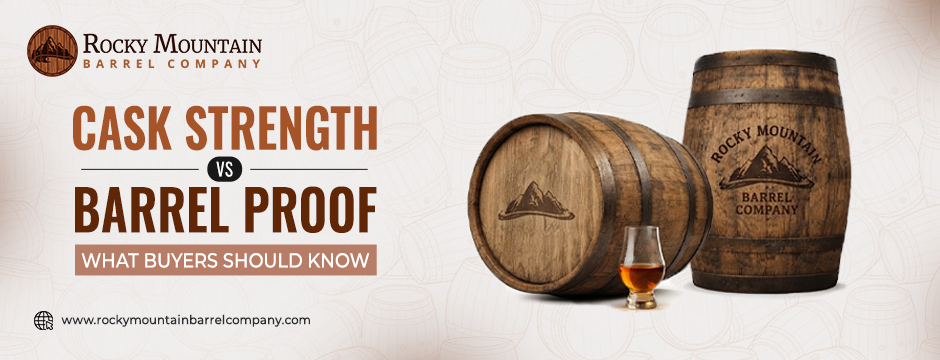
Key Takeaways
- Cask strength and barrel proof both mean whiskey that is bottled without adding water to reduce the strength. It is at or close to the strength it had while it was aging in the barrel.
- Words are usually used in this way. However, “cask” is often used in British or Scotch whisky, while “barrel” is more common in American whisky.
- Barrel-proof whiskey is usually stronger than bottled whiskey.
- Higher proof usually means the smells and tastes are more powerful. This happens because water has been added to the whiskey.
- The kind of barrel used, whether it is a whiskey barrel, a bourbon barrel, or a used bourbon barrel, has a big effect on the final taste that you get when the whiskey is at full strength.
Cask strength and barrel proof are words that you see on whiskey shelves and in tasting notes. I have seen them many times. You may have wondered what they truly mean. Are cask strength and barrel proof the same? Is one a name for the other? Are they buzzwords that make a bottle sound special?
Not exactly. Some confusion is real. Cask strength and barrel proof are very similar. Both refer to whiskey that has not been diluted with water after aging. Cask strength and barrel proof are bottled from the cask at whatever alcohol level the cask reaches.
The point is that cask strength and barrel proof are not always interchangeable. Some brands use cask strength as a marketing label, while others follow the barrel’s proof. Terms can vary by region or distillery. In the United States, you might often see “barrel proof” on bourbon. In Scotland or Ireland, “cask strength” is common.
What does that mean for buyers? If you are looking for a whiskey with a body and intense flavor, cask strength or barrel proof could be your choice. These whiskeys pack a punch because they aren’t watered down. But keep in mind: higher alcohol doesn’t always mean better taste. It depends on how the spirit was aged and how it balanced out.
If you are choosing whiskey for sipping, cask strength or barrel proof shows you the spirit’s character. If you enjoy customizing your drink, diluting cask strength whiskey yourself lets you control the experience.
If you are thinking about buying whiskey barrels or bourbon barrels for aging projects, knowing whether a whiskey is cask strength or barrel proof matters. Cask strength and barrel proof tell you how much alcohol the spirit started with and how concentrated the flavors were when it left the barrel.
The line is: cask strength and barrel proof are not just labels. They give clues about how the whiskey was handled. Understanding cask strength and barrel proof helps you make choices—whether you are buying a bottle or planning a personal barrel project.
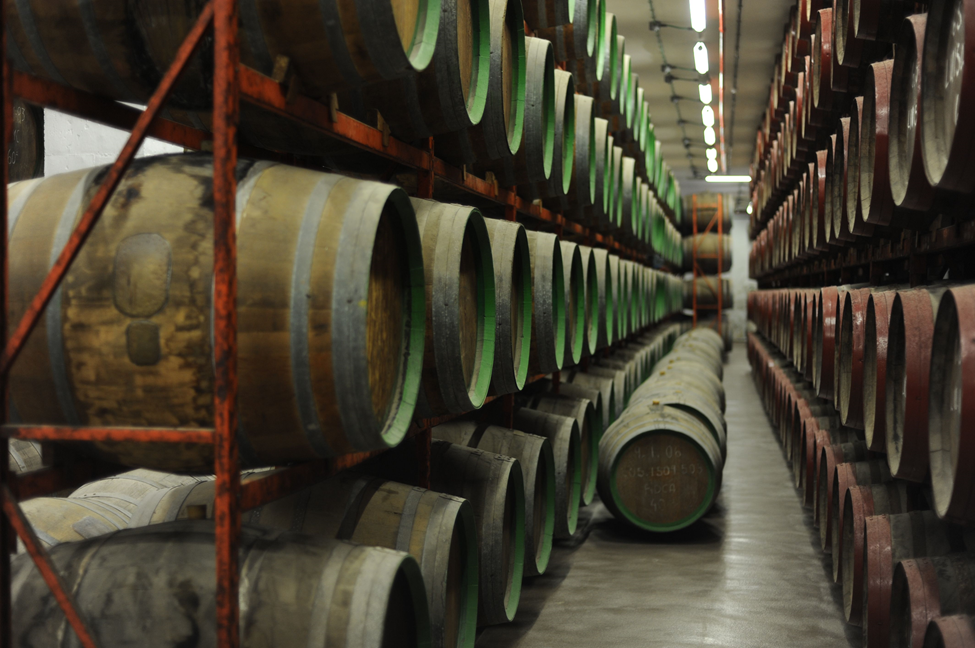
What Is Cask Strength Whiskey?
Cask strength whiskey is a spirit that is bottled at the proof it reached while aging in the barrel, without any water added to reduce the strength. Most whiskey you see in a shop has been cut down to a proof usually between eighty and one hundred to make it easier to drink and keep each batch consistent. Cask strength whiskey skips that step.
Because whiskey normally ages at proofs higher than the bottling strength, a cask strength whiskey release can often range from one hundred ten to one hundred forty proof or more, depending on the barrel, the warehouse conditions, and how long the spirit sat inside the wood. That is a big jump, and it is a key reason cask-strength whiskey has a loyal following among whiskey lovers.
Barrel proof means the whiskey is bottled at the strength it had while it was still in the barrel. Barrel proof whiskey has not been watered down. Some distilleries use the term barrel proof to show that a particular barrel or a group of barrels is linked to the spirit. Other distilleries use barrel proof to say that no water was added after aging.
In practice, most people use the terms cask strength and barrel proof. The word cask comes from Scotch whisky tradition, where wooden aging containers are called casks. American bourbon and rye producers prefer the word barrel because it fits the language used in the bourbon world—such as bourbon barrels, barrel aging, and so on.
Yes, Cask Strength and Barrel Proof are often used interchangeably. For bottles, both terms mean the whiskey was bottled without adding water. That means the alcohol level stays exactly as it was when it came out of the barrel. Both Cask Strength and Barrel Proof show a spirit that keeps its strength from the barrel.
There can be small differences. Some distillers mix barrels together before bottling and call it Barrel Proof.
This means the proof you see on the label averages the barrels used. A true Cask Strength bottle on the hand usually comes from one barrel. It isn’t mixed with any other barrels. That makes it more unique and specific.
If you want all the facts, check the bottle label. Review the distillery notes.
Check whether the bottle comes from a barrel or from a batch.
That may alter how the term is applied.
Read the printed information when you care about the specifics.
Is Barrel Proof Whiskey Stronger Than Regular Whiskey?
The answer is always yes. Regular Whiskey is usually bottled between eighty and one hundred proofs. Barrel Proof Whiskey, also called cask strength whiskey, often sits between one hundred ten and one hundred thirty proofs or more. That extra alcohol level is not a number on the label. Barrel Proof Whiskey changes how it feels and behaves in the glass.
Higher proof means experience. Alcohol carries aroma compounds strongly, which can make the nose feel bigger and more layered. On the palate, Barrel Proof Whiskey tends to feel bolder and warmer, sometimes a little sharp if you’re not used to it.
Many enthusiasts like to add a drop of water to Barrel Proof Whiskey. Adding water opens up the flavors. It softens the heat without changing the character of Barrel Proof Whiskey.
I think Barrel Proof whiskey really changes a whiskey’s flavor. That is the appeal of Barrel Proof whiskey. When you add water to whiskey, you don’t lower the alcohol level. Water can also soften the flavor of compounds that develop during barrel aging. Cask strength whiskey and Barrel Proof whiskey keep those compounds strong. This means you taste the spirit exactly as it came out of the barrel. Barrel Proof whiskey feels like a conversation with the oak.
I see that this matters a lot to anyone who cares about how oak, char level, and barrel history shape a whiskey’s character. Whiskey barrels, whisky barrels, and bourbon barrels all leave their mark. How they were toasted or charred, what they held, and how long the spirit stayed inside all changed the taste. Barrel Proof whiskey keeps the oak’s story alive.
For example, used bourbon barrels are highly valued in the Scotch and craft spirits world. I notice they bring forward notes like caramel, vanilla, and oak spice. With Barrel Proof whiskey, these details stand out clearly. I get a sense of how wood influenced the spirit.
I feel Barrel Proof whiskey shows the wood’s soul.
The Bottom Line
For most people, cask strength and barrel proof are two names for the same idea: whiskey bottled true to the barrel without being watered down. The small differences between cask strength and barrel proof are mostly about tradition and regional habit, not about splits. What matters more for buyers is that cask strength and barrel proof bottlings deliver a concentrated, barrel-driven experience. The barrel itself, whether it is a char or a used bourbon barrel with a history, does a lot of the lifting behind that whiskey flavor. If you’re curious how barrel selection shapes a whiskey’s character, cask strength and barrel-proof bottlings are two ways to taste that influence directly.
FAQs
What is cask strength whiskey?
Ans: Cask strength whiskey is bottled at or near the proof it reaches while aging in the barrel, without being diluted with water before bottling.
What does barrel proof mean?
Ans: Barrel proof means the same as cask strength: the whiskey reflects the barrel’s natural proof at bottling, rather than being cut down with water.
Is cask strength the same as barrel proof?
Ans: In almost all cases, yes. Both terms describe undiluted whiskey. Minor differences can appear depending on whether a bottling comes from a single barrel or a small batch of blended barrels.
Is barrel-proof whiskey stronger than regular whiskey?
Ans: Yes. Standard whiskey is usually bottled between 80 and 100 proof, while barrel-proof whiskey often ranges from 110 to 130+ proof.
Does barrel proof affect whiskey flavor?
Ans: Yes. Because there’s little to no water dilution, barrel-proof and cask-strength whiskeys tend to carry more concentrated aromas and flavors, offering a clearer picture of how the barrel shaped the spirit.