
How to Prep a Used Bourbon Barrel for Filling: Rinsing, Swelling, Leak Checks, and First Fill
October 14, 2026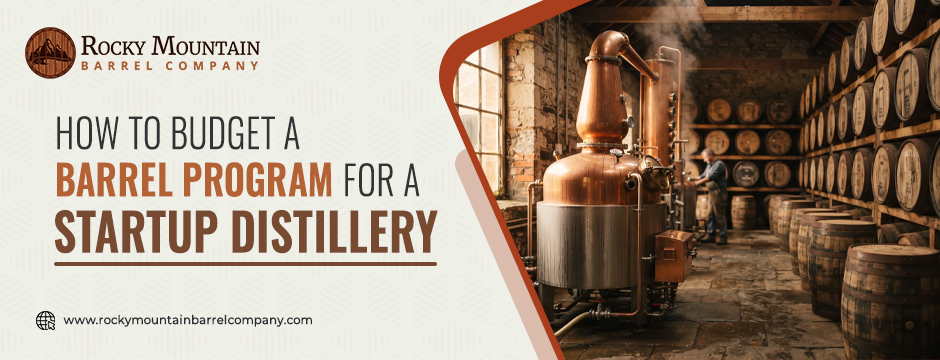
Key Takeaways
- Match barrel needs realistic production goals.
- Plan for storage, handling, and compliance.
- Protect working capital while spirits mature.
Introduction
Starting a distillery isn’t just about creating an excellent spirit recipe. Implementing a solid plan for aging, storage, inventory management, and cash flow is also critical. A barrel program protects the quality of your spirits and helps to keep the distillery’s operations under control.
Why Should You Plan Your Barrel Program Early?
This defines the type of spirits you will be producing and sets the flavor profile for them as well as the expected aging time. This is used to select the correct type of barrel to fill and enables an estimate of how many will be able to be filled and stored.
Planning for the short term will avoid buying barrels and finding storage at the worst time. Use your production forecast.
How Can You Choose Barrels That Fit Your Goals?
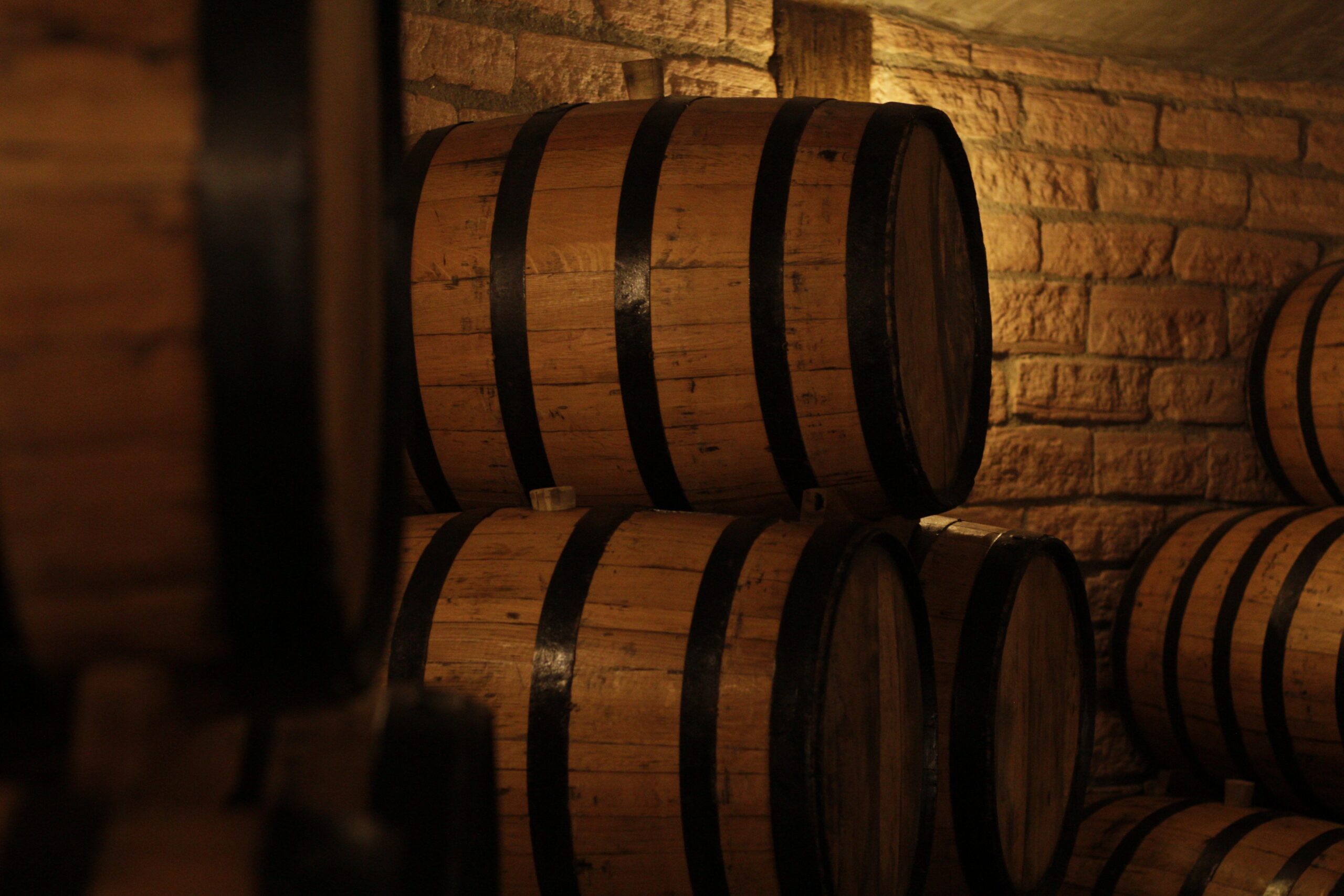
Barrel choice affects flavor, color, aroma, and maturation. New oak can contribute pronounced wood character, while used barrels may offer subtler oak influence or flavors from earlier contents. Consider your spirit style and desired consistency.
Small oak barrels for distilling may suit certain trials, but smaller formats change the spirit’s contact with wood. Test a suitable format and monitor maturation before making a larger commitment.
Small oak barrels for distilling can be considered for specific trials. If American oak fits your recipe, compare American barrel distillery options by wood type, previous use, condition, and intended application. Rocky Mountain Barrel Company offers new and used selections for different aging needs.
How Many Barrels Should You Start With?
Base opening inventory on expected production, filling frequency, and how much spirit will enter barrels. Allow room for sampling and quality checks.
Instead of buying for a distant growth target, begin with a manageable batch and review the results. A barrel distillery can expand inventory as demand, capacity, and cash flow become clearer.
What Should Your Barrel Program Budget Include?
Plan for more than barrels. Include storage, racks or handling equipment, inspections, inventory tracking, insurance, and staff time. Plan for ventilation, safe access, and procedures for leaks.
When comparing barrel options, consider how each choice fits your workflow and storage, not just its effect on the spirit. Confirm that the barrels suit your intended use. A barrel distillery should also document supplier specifications.
How Can You Plan Storage and Cash Flow?
Aging ties up working capital while expenses continue. Forecast payroll, utilities, ingredients, packaging, compliance, and distribution. Record fill dates, barrel details, and sampling milestones.
Small oak barrels for distilling may suit particular maturation goals, but account for storage and handling before choosing a format. You can also assess used distillery barrels for sale by checking their history, condition, and suitability.
Rocky Mountain Barrel Company provides new and used barrel options for distilleries with varied production goals. You can compare American barrel distillery selections and review used distillery barrels for sale for suitability.
Which Licenses and Permits Should You Check?
As your location and intended activities change, new requirements will need to be met. For production of wines, in the U.S., this will initially include review by the federal government (Alcohol and Tobacco Tax and Trade Bureau or TTB) and then the individual states and local municipalities where production and bonded storage of products will occur.
Check production and bonded storage approvals where necessary. Obtain approval for zoning, fire, and environmental requirements before filling barrels.
How Can You Build a Barrel Program for Long-Term Growth?
Develop a sustainable plan to meet your production targets and store your spirit effectively whilst managing cash flow. Compare american barrels distillery and used distillery barrels for sale to find the best match for your spirit style and select vessels that will support your growing business. A reliable sourcing partner and a regularly reviewed plan are key to allowing your barrel program to grow and develop with your business.
Frequently Asked Questions
- How should a startup distillery plan its barrel program in the first year?
Ans: Outline a production plan for the short-term, choose a barrel character that you like, scout out suitable storage for the short-term, and develop a forecasting inventory system to update against your production results and tastings for future ordering.
- How many barrels does a new distillery need to begin aging spirits?
Ans: The short answer is none. How many barrels a startup distillery will need depends on a number of variables, including the size of each batch, the size of the barrel, how frequently the distillery plans to produce, and many other factors that should be outlined in a documented forecast.
- How much warehouse space does a startup distillery need for aging?
Ans: The amount of space required to store maturing spirit will depend upon a variety of factors, including the dimensions of the spirit-filled barrels that you intend to store within the warehouse, how you plan to stack them, and the methods that you will employ to move them around within the space. Space must also be left to allow for occasional inspections to be carried out on the maturing spirit.
- What licenses and permits are required for aging spirits?
Ans: Licenses needed for production and storage of alcohol, as well as other approvals, taxes, zoning restrictions, fire code requirements for buildings, etc., vary by state/province and must be verified with the appropriate authorities.
- How should a startup distillery plan its cash flow while spirits age?
Ans: Revised cash flow forecast to show separate expense and revenue forecasts and therefore preserve working capital to develop the rest of the business. Forecast to release spirits around the relevant maturation time and revisit as production and sales develop.