Understanding Barrel Char Levels and Their Effect on Spirits
June 27, 2026
How Long Should Spirits Be Aged in Used Barrels?
June 29, 2026
Key Takeaways
- The real cost of buying used barrels for sale is more than just the upfront cost and includes things like how long it takes to mature, how you manage your inventory, and where you want your brand to be.
- Used whiskey barrels for sale and used wine barrels for sale to enable finishing possibilities, flavor layering, and experimental releases that may not be possible with new oak alone.
- For some kinds of alcohol, new oak barrels for sale are a regulatory necessity, but used barrels give flexibility, sustainability, and creative possibilities for many distilleries.
- Small oak barrels for distillation can provide support for pilot batches and product development, but due to their increased extraction rates, they must be closely monitored throughout the maturation process.
- The most effective barrel strategy isn’t the cheapest barrel strategy. It is about picking barrels that match the distillery’s taste goals, production plans, and long-term business goals.
The choice of barrels is not just a production decision; it is also a financial one for distilleries. The choice of barrel impacts maturation periods, flavor development, inventory planning, and long-term profitability. Whether you’re looking at old barrels for sale or you’re thinking about investing in new oak barrels for sale, understanding the larger picture of the costs involved can lead you to a smarter decision.
It’s not just about, ‘Which is the cheapest?’ It’s ‘What choice matches best with our production goals?’
Understanding the Difference Between New and Used Barrels
The spirits have never aged in new barrels. Used barrels, on the other hand, have already been used to age whiskey, wine, beer, or other beverages and are then reused. Each choice has its own pros.
New Oak Barrels
Distilleries buying new oak barrels for sale often concentrate on:
- More oak character
- Enhanced flavor compound extraction
- Maturation features are consistent
- Compliance with certain spirit regulations
Fresh oak adds vanilla, caramel, spice, toasted wood, and tannins to the finished product’s character.
Used Barrels
Distilleries seeking used barrels for sale often value:
- More subtle oak influence
- Opportunities for flavor layering
- Barrel finishing programs
- Sustainable production practices
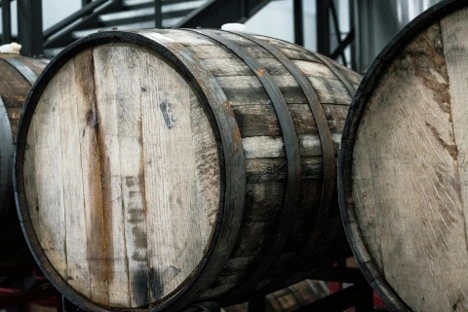
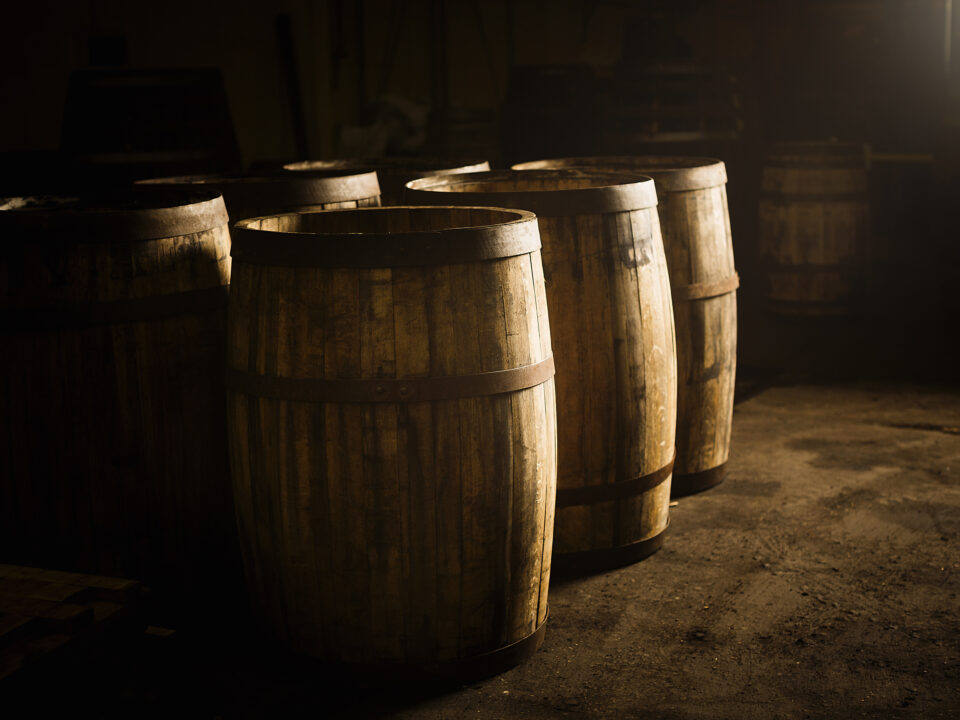
Previously used barrels can impart unique characteristics depending on their history.
The True Cost Analysis Goes Beyond Purchase Price
Most distilleries only consider the purchase cost. But there are many operational factors that go into the true financial impact.
Flavor Extraction Efficiency
Generally, new barrels have a higher concentration of extractable chemicals. Distillers can reach their flavor target in a predictable maturation window.
Flavors are released more slowly in used barrels. The lag in engagement is a plus for producers looking for a balanced, spirit-forward profile.
Stock Management
Barrel selection affects warehouse layout.
New barrels can accelerate flavor development, whereas used barrels are generally employed for longer aging periods. Distilleries need to consider how barrel programs factor into production forecasts and release schedules.
Positioning of the brand
Some consumers associate new oak maturation with superior craftsmanship, while others deliberately seek spirits matured in specialist barrels.
The decision between new and old barrels can be woven into a distillery’s brand story.
When Used Barrels Make Strategic Sense
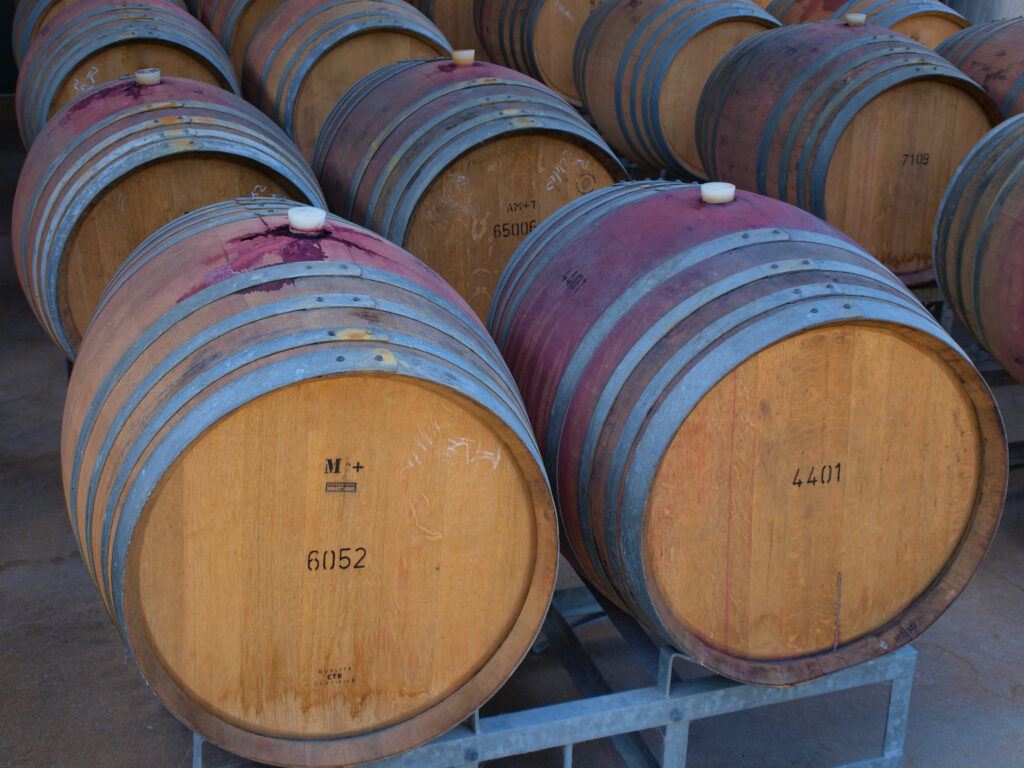
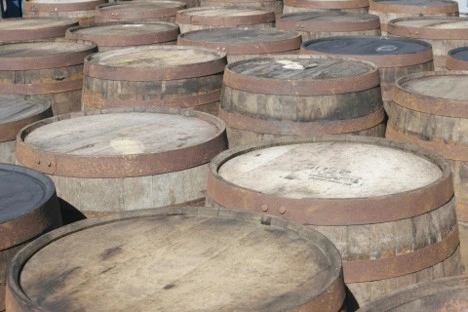
The market for secondhand whiskey barrels for sale continues to grow as distillers find new ways to mature their spirits.
Used barrels are generally selected for:
- Programs of secondary maturation
- Barrel finishing projects
- Product releases for experimental use
- Special edition expressions
Flavor adds complexity without overpowering the oak’s impact.
Barrels that have housed bourbon, rye, rum, or other spirits add unique characteristics that may not be possible with fresh oak alone.
The Value of Used Wine Barrels
Craft distilleries are demanding more used wine barrels for sale.
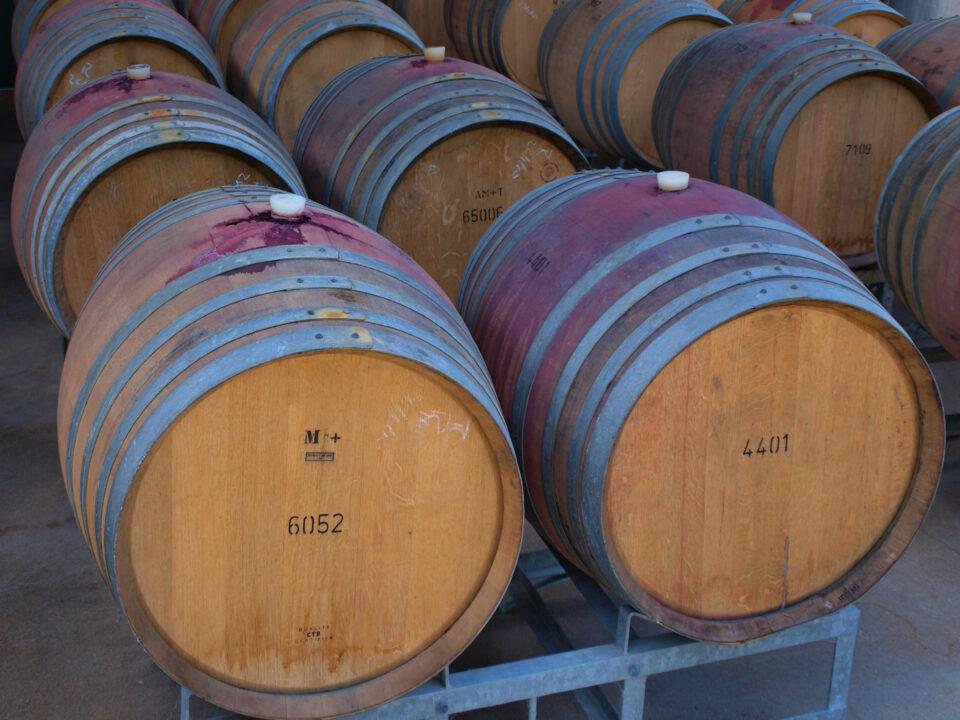
Wine seasoned barrels can impart flavors such as:
- Notes of red fruits
- Undertones of berries
- Tannin-structure
- soft spice notes
- More depth and complexity
Many distilleries employ wine barrels as finishing casks to provide differentiated goods that stand out in competitive markets.
Regulatory Considerations Matter
Spirit category production criteria differ. For instance, bourbon manufacturers in the United States must age bourbon in fresh charred oak casks. This regulatory requirement makes the sale of new oak barrels a necessity for distilleries in that category.
Other types of spirits are more flexible, allowing producers to integrate used barrels into their maturation procedures.
These regulations must be taken into account while assessing investments in barrels.
What About Small Distilleries?
Emerging producers often seek flexibility and efficiency.
Small oak barrels for distilling can support:
- Pilot programs
- Recipe development
- Experimental aging trials
- Educational demonstrations
- Limited-volume releases
Smaller barrels tend to extract more from wood because of their higher surface-area-to-volume ratio, which means they can age faster. But distillers have to keep a close watch on maturation to avoid over-extracting the oak.
Conclusion
The topic of used barrels for sale goes beyond first purchase expenses. New barrels offer bold extraction and regulatory compliance for some spirit categories, whereas used barrels offer flexibility, sustainability, and creative potential.
If you are looking for used whiskey barrels for sale, used wine barrels for sale, new oak barrels for sale, or small oak barrels for distilling, the important thing is to select barrels that fit your maturation plan.
Frequently Asked Questions
Q. How much does a new whiskey barrel cost compared to a used one?
Ans: Costs vary significantly depending on barrel size, origin, condition, toast level, and availability. Distilleries should evaluate both immediate budget considerations and long-term production goals when comparing options.
Q. Are distilleries legally required to use new barrels?
Ans: It depends on the spirit category. For example, bourbon must be aged in new charred oak containers under U.S. regulations, while many other spirits can legally mature in previously used barrels.
Q. Does aging in a used barrel produce lower-quality spirits?
Ans: No. Many premium spirits rely on previously used casks to develop complexity and distinctive flavor characteristics. Quality depends on the barrel’s condition and its fit with the maturation strategy.
Q. How many times can a barrel be reused before it loses its aging value?
Ans: Barrels gradually contribute less oak influence with each use. However, they can still provide value for finishing programs, secondary maturation, or experimental releases even after their most active extraction phase has diminished.