How to Store Empty Barrels Without Mold or Drying Out
October 5, 2026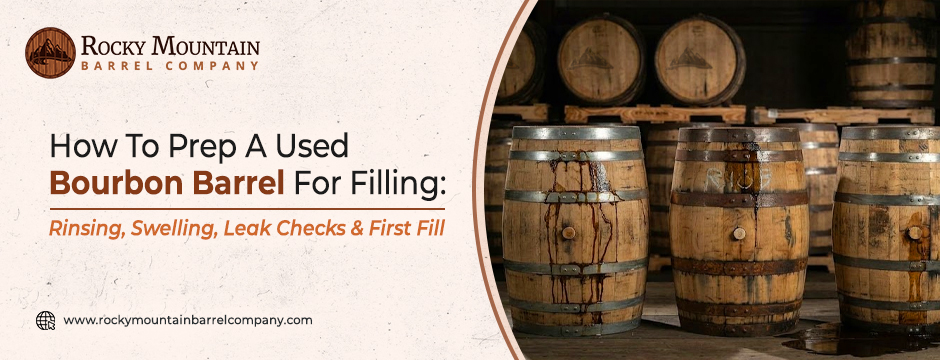
Key Takeaways
- Check the barrel body (including interior), hoops, staves, and bung prior to filling again.
- Use a controlled water soak to allow dry wood to swell before using it, checking for any persistent leaks first.
- Cleaning and preparing a barrel for a new beverage to be put into it should be done with the same method and care as was used with the previous contents.
Introduction
A barrel can look ready on the outside and still need attention before filling. Dry oak, loose joints, and residue from a previous batch can affect how well it performs. Preparing used bourbon barrels properly means checking their condition, deciding whether rinsing is necessary, allowing dry wood to swell, and confirming that the barrel can hold liquid safely.
1. Inspect the Barrel Before Rinsing
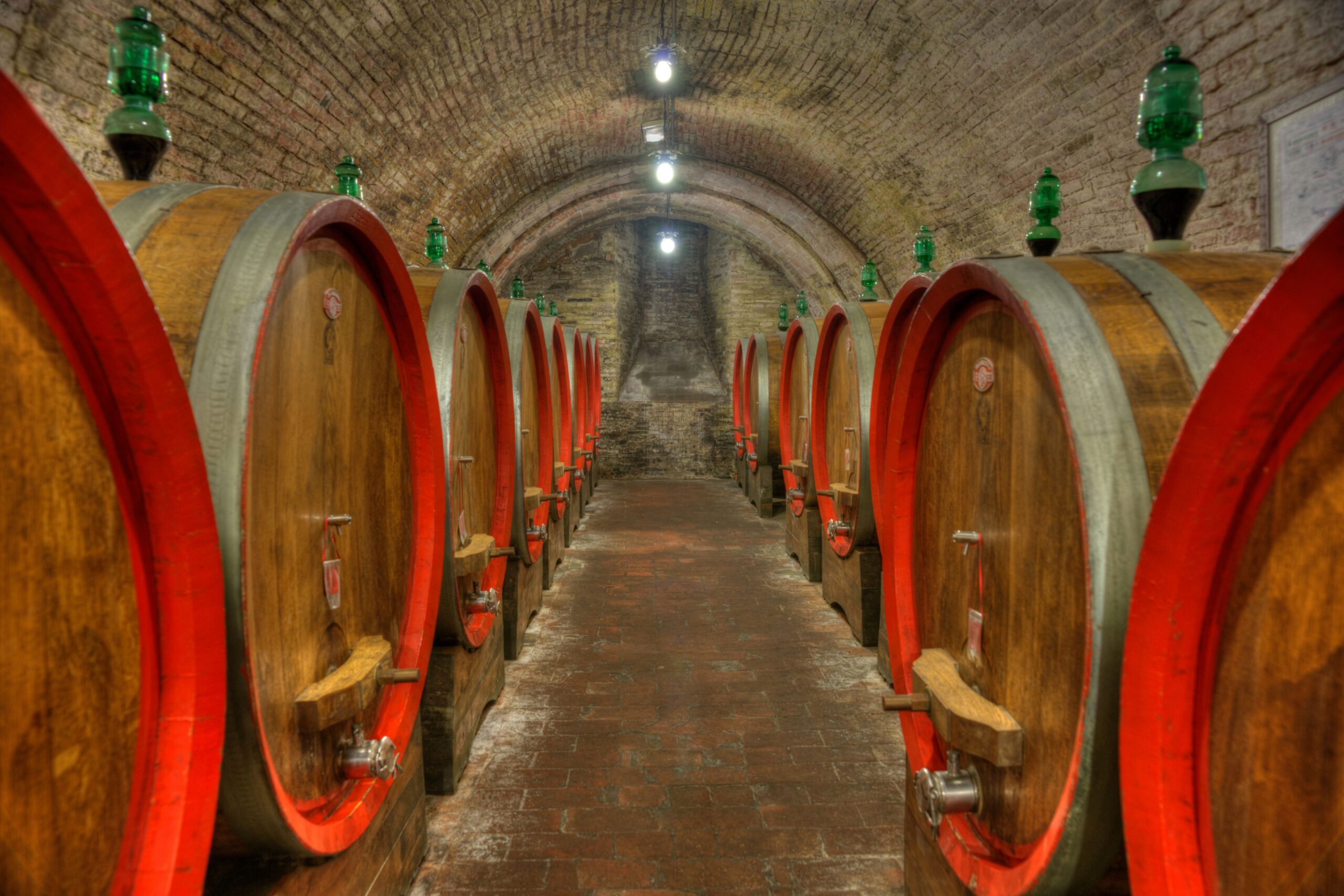
Begin by making a visual inspection of the staves, the barrel heads, the metal hoops, and the bung hole for any signs of cracks, damage, movement, or other forms of contamination.
Consider the barrel history, including what has been stored in it before and how it has been stored since. An empty barrel can contain a lot of moisture and even residue from the previous spirit, while a long-empty barrel can have very dry wood with shrunken joints.
Even small amounts of damage such as broken staves, broken or damaged barrel heads, loose metal hoops, or other cracks or damage can not be ‘sorted’ by soaking the barrel out. The barrel needs to be assessed for repair, and it is best to put it to one side until this can be done.
2. Should You Rinse a Used Barrel Before Filling?
Rinsing depends on the barrel’s condition, previous contents, and intended use. A clean, recently emptied barrel may need little preparation, whereas one with visible debris or questionable storage conditions requires closer attention.
For used whiskey barrels, begin by checking for loose residue, unusual odors, and visible contamination. If rinsing is appropriate, use clean, potable water and follow a procedure suited to the beverage you plan to fill. Avoid detergents or household cleaners unless an approved sanitation procedure specifically calls for them, as residues can affect flavor and product quality.
Do not automatically rinse away every trace of the previous spirit. Those remaining compounds may contribute to the flavor profile you want. Equally, never assume that a familiar barrel aroma means the interior is hygienic. If the barrel has mold, unexplained odors, or an uncertain contamination history, stop and seek advice before proceeding.
3. How to Swell a Dry Barrel
When barrels are left empty for a long time, the dry oak will swell when moistened. This will allow the wood to take up moisture and expand. Swelling is particularly important when used barrels have dried out in storage.
For soaking a dry used oak barrel, first place the barrel on a firm, level surface. Open a drain and follow the supplier’s instructions for adding clean cold water to wet the inside of the barrel. Look for seepage from the outside, and as the wood swells, the joints will pull together. Partially fill, rotate the barrel to get all surfaces wet, or soak under control to achieve a full soak.
Time will be needed for the wood to absorb the moisture, and the joints should be checked from time to time. In the meantime, some seepage will occur as the dry wood expands, but this will cease as the joints close up. The soaking time will depend on several factors, including the dryness of the used oak barrels, their construction, and how they have been stored.
Empty the water from the barrel after it has swollen. Proceed with the normal preparation for filling the barrel. Avoid storing a barrel in wet storage for prolonged periods, as hygiene problems could arise.
4. Check for Leaks Before the First Fill
A leak test should be done prior to filling the barrel with valuable product. Check the exterior of the barrel for moisture after it has been allowed to swell. Focus on stave joints, top and bottom barrel heads, bung wells, and the lowest points of the barrel where moisture may collect and leak out.
Persistent drips, or damp lines running down the barrel, are signs of leaks that need to be investigated. As the oak swells it is possible that initial seepage may cease, but if it doesn’t, look for signs of damage on the hoops and other visible parts of the wood.
The leaking barrel should not be filled with your intended product. Have a qualified cooper or your barrel supplier inspect the barrel for any possible defects. Avoid using any kind of patching material as these can be detrimental to the product being poured as well as the barrel itself.
5. Prepare the Barrel for Its First Fill
Once the barrel passes inspection and the required cleaning or swelling steps are complete, prepare it for filling without unnecessary delay. Follow the supplier’s guidance on draining, sanitation, and handling, especially if the barrel was delivered dry or has been stored empty.
Before filling, confirm that the intended beverage is compatible with the barrel’s history and condition. Check that the filling equipment is clean, the bung fits properly, and the barrel is positioned securely. Fill according to your production procedure, leaving any required headspace rather than assuming every beverage uses the same fill level.
For whiskey barrels, the previous spirit, char level, and storage history can influence the flavor transferred to a new batch. Record the barrel’s origin, preparation steps, and any observations during the leak check. These notes help your team investigate quality issues and make preparation more consistent across future batches.
A barrel that has been properly prepared is easier to assess and less likely to introduce avoidable problems during filling.
Conclusion
By properly preparing the product and the barrel for filling, it can ensure the best possible product is produced and stored in the barrel. It is recommended that the wood be inspected prior to fill, that all barrels be rinsed prior to fill if necessary, that dry oak be allowed to swell prior to fill, and that all persistent leaks be addressed prior to fill. Whether you are looking for used bourbon barrels, used whiskey barrels, whiskey barrels, or used oak barrels, the selection of barrels at the Rocky Mountain Barrel Company can meet all of your needs. Contact the team to discuss your needs prior to your first fill.
Frequently Asked Questions
1. Do you need to rinse a used bourbon barrel before filling it?
Ans: Not always. A recently emptied, properly stored barrel may need minimal preparation, while one containing debris or showing signs of contamination needs further assessment. Choose a rinsing and sanitation procedure that suits the barrel’s history and intended contents.
2. How do you swell a used barrel, and how long does it take?
Ans: Use clean, cool water and follow the supplier’s recommended soaking or wetting procedure. Check the joints regularly and allow the oak to expand until seepage stops; the time depends on how dry the barrel is and its overall condition.
3. How can you check a used barrel for leaks before filling?
Ans: Inspect the exterior during and after swelling, looking for persistent drips, damp joints, or seepage around the heads and bung. If leakage continues after appropriate swelling, have the barrel assessed before using it.
4. What should you do if a barrel leaks after the first fill?
Ans: If a leak appears, follow your facility’s procedure for safely handling the contents and preventing product loss. Assess the source, consult a qualified cooper or supplier, and avoid unapproved sealants or repairs that could compromise product safety.
5. Can you fill a used bourbon barrel as soon as it arrives?
Ans: Only if its condition, storage history, and supplier instructions confirm that it is ready. A barrel delivered moist and properly maintained may need less preparation than one that has dried out, but inspection and any required preparation should come first.