
What Happens When a Barrel Is Reused Multiple Times?
August 14, 2026
What Distilleries Need to Know Before Buying Whiskey Barrels
August 20, 2026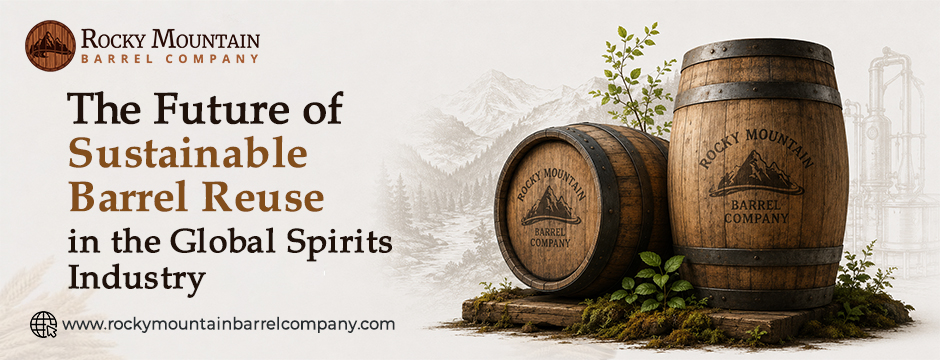
Every barrel starts its life as an oak tree, which takes decades to grow. Before it is ever made into staves, the tree has to be grown. This is why many people in the spirits world are asking a question: when a barrel has done its job, why throw it away?
Across distilleries, wineries, and breweries people are starting to reuse oak barrels. This is not a way to save money, but it is also becoming a standard practice in the industry. Reusing barrels helps keep forests healthy and makes the wood longer.
Key Takeaways
Here is what is happening in the industry now:
- Reusing barrels reduces the need for fresh oak, which helps forests that take decades to grow.
- Distilleries, wineries, and breweries are finding uses for barrels beyond their original purpose.
- The environmental impact of a barrel is not about its first use but about its whole life, from the forest to its final use.
- To be sustainable, suppliers need to prioritize forestry and make barrels last longer.
- Barrels that can no longer be used for aging often get a purpose instead of being thrown away.
Why the Spirits Industry Is Rethinking Single-Use Barrels
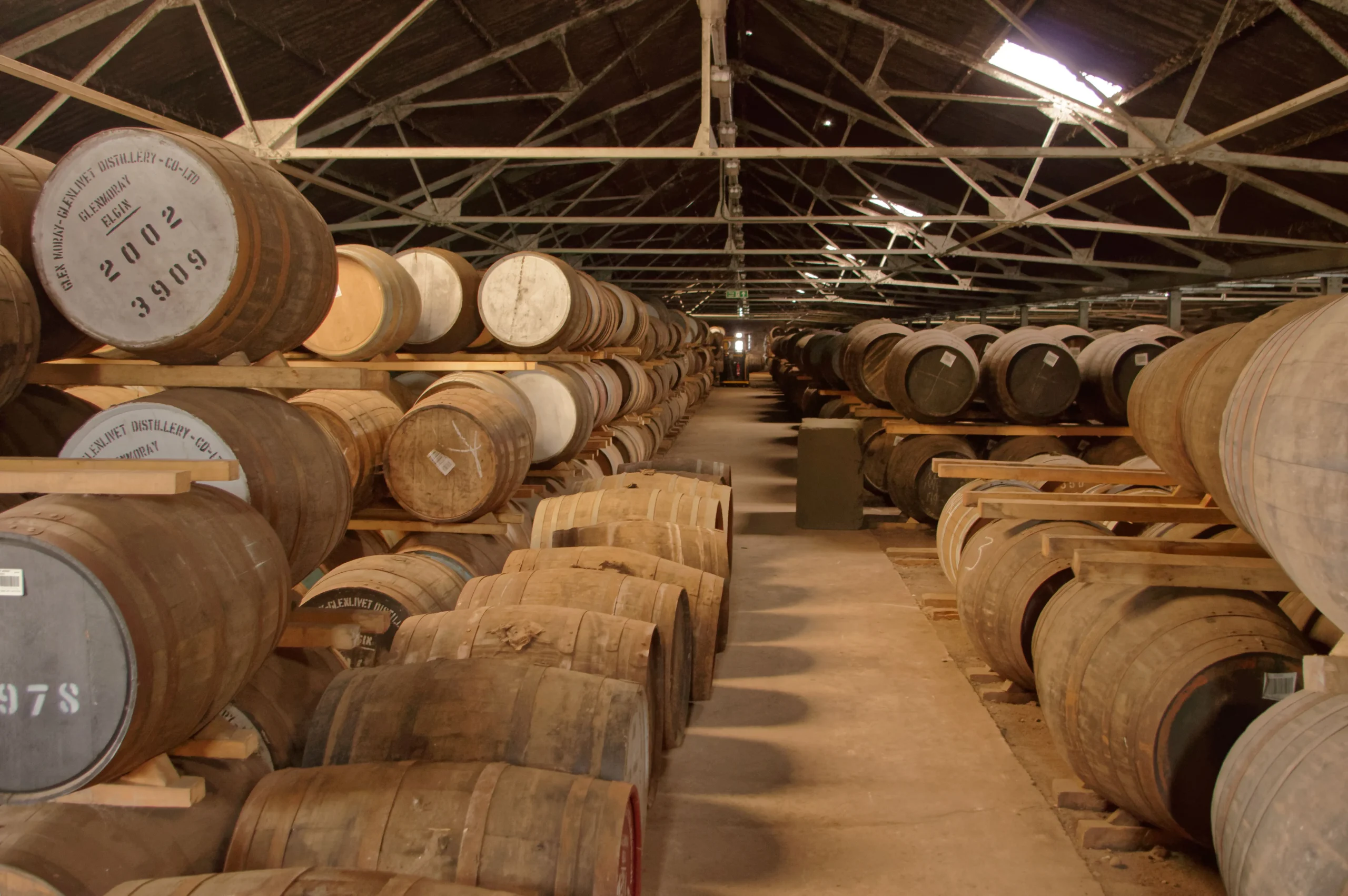
Oak trees do not grow quickly. It takes decades for a tree to be ready to be made into a barrel. Once the tree is cut down, the wood has an impact on the environment before it is even used. For a time, the standard practice in the industry was to use a barrel once and then get rid of it. This was especially true for bourbon production, where the law requires charred oak for aging. Now more producers are realizing that a barrel can be used more than once.
Reusing barrels for whiskey, rum, tequila, wine and beer production means that fewer new oak trees need to be cut down. This means that mature oak trees are left standing which supports responsible forestry and keeps the resource sustainable for future generations.
How Reuse Benefits Every Corner of the Industry
Being sustainable. Having good flavors is not mutually exclusive. A barrel that has already been used can be just what many producers are looking for.
Distilleries benefit from barrels that already have character. For example, a whiskey barrel that previously held bourbon has flavor notes that new oak cannot replicate. This gives distillers a head starts on complexity without needing a barrel for every batch.
Wineries often look for barrels that have already been used at times. Once a barrel has released most of its wood flavor, it can add subtle structure and gentle oxygen to exchange without overpowering the fruit. This is something that a new barrel cannot do.
Breweries have been reusing barrels for years, aging beer in barrels that hold whiskey, rum or wine. This gives the beer layered notes that could not be achieved with a new barrel. This kind of reuse, where a barrel is used for spirits, beer, and then wine shows how far a single piece of oak can stretch.
The benefit is the same across all three: producers get flavors, and the industry uses fewer new trees to get there.
The Environmental Case for Barrel Reuse
The environmental benefit of reusing barrels goes beyond saving trees. Making a barrel requires harvesting, milling, seasoning, and charring oak each of which has its own energy cost. By reusing a barrel of times, the environmental cost is spread over many uses instead of just one.
The source of the barrels also matters. Suppliers who work with cooperatives and forestry partners that prioritize harvesting help ensure that the oak used for barrels comes from well-managed forests. This, combined with a culture of reuse, makes long-term sustainability possible.
What Happens When a Barrel Reaches the End of Its Aging Life
When a barrel can no longer be used for aging, it does not have to be thrown away. Many old barrels are used for things, like furniture, planters, or decorations. This gives the wood a life that goes beyond its time in the cellar. It keeps oak out of landfills and lets the barrels’ history and craftsmanship live on.
Looking Ahead
As more producers in the spirits, wine and beer industries see the value of reusing oak barrels, it is becoming a practice. The producers who get the most out of it are the ones who work with suppliers who understand the life of a barrel: where the wood came from, how it has been used and where it can go next.
If you are interested in barrels, with history Rocky Mountain Barrel Company works with distilleries, wineries and breweries to find quality reused barrels that’re just right for what you are aging.
FAQs
Does reusing a barrel mean sacrificing flavor quality?
No. Reused barrels simply offer a different kind of influence — milder and more refined rather than bold and dominant. Many producers specifically seek reused barrels for that exact reason.
Why can’t bourbon use reused barrels the way other spirits do?
Bourbon is required by law to be aged in new, charred oak barrels. Once those barrels have completed that first fill, they’re commonly sold and reused for whiskey, rum, tequila, wine, or beer production.
How does barrel reuse actually help the environment?
It reduces the demand for freshly harvested oak, which eases pressure on forests that take decades to mature. It also spreads the environmental cost of producing each barrel across more uses instead of just one.
What happens to a barrel that can no longer be used for aging?
Barrels that reach the end of their aging life are often repurposed into furniture, planters, decor, or other projects, giving them a useful second life instead of becoming waste.