Cask Strength vs. Barrel Proof: What Buyers Should Know
September 23, 2026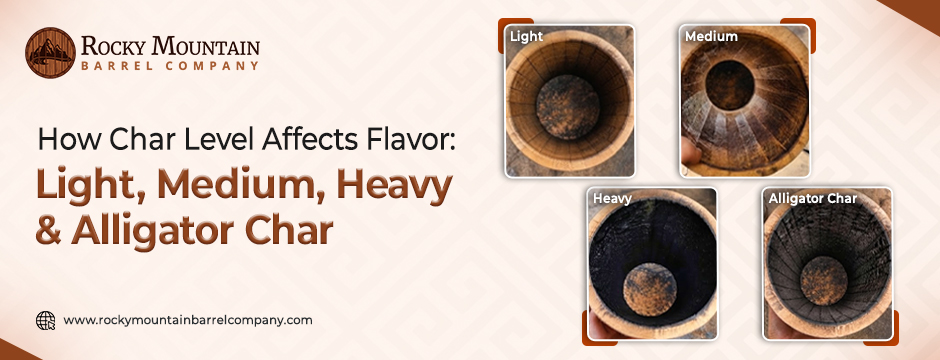
Have you ever tasted two bourbons that come from the same mash bill and wondered why one tastes smoky and bold while the other is soft and sweet? It is not grain. It is not yeast. It is not the distillery. Nine times out of ten, the difference comes from the char level. How deeply the inside of the barrel was burned before the spirit ever touched the wood.
Char level might be the overlooked variable in whiskey making, but it has a big effect on what ends up in your glass. Whether you are a home distiller, a craft producer, or just someone curious about what’s really happening inside those oak barrels in a rick house, learning the difference between light, medium, heavy, and alligator char will change the way you think about aging spirits, for good.
Key Takeaways
- Char level, I find, is often the reason two whiskeys made the same way can taste so different.
- Charring, I notice, burns the inside of the barrel and creates a caramelized “red layer” underneath—this is where most vanilla, caramel, and toffee flavor comes from.
- Light char, I think, gives a mild, delicate flavor and usually needs longer aging to develop depth.
- Medium char, I think, is a versatile choice that will not overpower the base spirit.
- Heavy char, I think, gives the classic bourbon profile: deep amber color, bold caramel, and a smoky backbone.
- Alligator char, I find, is the most intense option, best for bold bourbons or quick smoky finishing.
- New oak barrels, I think, act as a canvas, so the char level you pick has a bigger impact than on a barrel that has already been used.
What Actually Happens When a Barrel Is Charred
People sometimes use the words charring and toasting as if they were the same. They are not. Toasting heats the inside of a barrel evenly and slowly. This process breaks down wood sugars and lignin. Toasting never sets a barrel’s surface on fire. Charring is a separate process. Charring means holding a flame against the interior of a barrel. The flame may stay for a few seconds or for a minute depending on the desired level of charring. The flame burns a layer of wood. The result is a blackened, cracked surface. This surface acts like a filter once the spirit is added to the barrel.
Beneath the blackened surface, the barrel’s heat caramelizes the wood sugars. Coopers call this layer the ” layer.” The red layer is the origin of vanilla and toffee notes found in whiskey. The deeper the charring, the greater the change to the layer. Deeper charring also changes the color, aroma, and taste of the liquid that rests inside the barrel.
That is why new oak barrels are always charred before they are used for whiskey or bourbon. New barrels left raw lack the layer that charring creates. Without that layer, the barrel will not perform its role properly.
Light char
Often called a #1 char. It is a level on the char spectrum. The flame passes over the wood, quickly creating a blackened layer and a lighter red layer beneath. When spirits like whiskey or rum are aged in charred barrels, they absorb gentle flavors like vanilla and soft caramel. There’s smokiness or strong oak tannin, so the natural character of the base spirit stays front and center.
This level of char is common in whiskey styles and certain rums, where the goal is to highlight the original spirit rather than let the wood dominate. Because the char doesn’t go into the wood, the flavor release is slower. That means it often takes longer to achieve richness in color and taste than barrels with a stronger char.
Medium char
Medium char lands in the middle, and medium char is a popular choice across a wide range of barrel types. From wine barrels for secondary aging to whiskey barrels meant for shorter maturation runs. At this level, the red layer thickens up. It develops further, pulling out a fuller balance of vanilla, caramel, and light spice, plus just a hint of smoke. Think of char as the all-purpose option. Medium char is forgiving, versatile, and works whether you are finishing a spirit over a month or letting it sit for several years. If you are new to experimenting with barrel types, medium char is a solid place to start because it won’t drown out the base spirit the way a heavier char can.
Heavy Char
This is where things get bold. Heavy char is what most people picture when they think of classic bourbon: a thick, blistered black layer with an intensely caramelized red layer underneath. It’s produced by longer flame application, and the payoff is a deep amber color, pronounced vanilla and caramel, hints of dark fruit, and an unmistakable smoky, charcoal backbone.
Most bourbon barrels fall into this category, and honestly, that’s a big part of why bourbon carries such a full-bodied character compared to lighter whiskey styles. If you want something that tastes unmistakably like bourbon, heavy char is usually the way to go.
Alligator Char
Alligator Char is the most extreme option on the list. It gets its name from the deep, reptilian-looking cracks that form across the wood after a prolonged burn—the kind of char that goes well past heavy char in both time and intensity, leaving a thick layer of carbon and an even more concentrated red layer beneath it.
Spirits aged in alligator char barrels pick up intense smoky, charred, almost roasted flavors alongside deep caramel and dark sugar notes. It’s not a fit for every spirit — it can easily overpower something delicate — but for bold bourbons, certain rums, and specialty finishing projects, it delivers a flavor you can’t really replicate any other way. Many producers also use alligator-char barrels specifically for finishing, adding one last concentrated layer of smoky complexity to a spirit that’s already matured.
Choosing the Right Char Level for Your Project
There’s no single “correct” char level — it really comes down to the spirit you’re working with, how long you plan to age it, and the flavor you’re chasing. A few things worth keeping in mind:
- Working with a lighter or more delicate base spirit? Start with light or medium char, so the wood doesn’t drown out what you’re trying to preserve.
- Chasing a classic, full-flavored bourbon character? Heavy char is the traditional route, and most distillers reach for it.
- Finishing an already-aged spirit and wanting a bold, smoky accent fast? Alligator char barrels can add that complexity in a shorter window.
- Working with new oak barrels? Treat them like a blank canvas. Since they haven’t touched spirit before, the char level you choose has a much bigger impact than it would on a barrel already used a time or two.
None of this is just trivia — it’s practical knowledge that leads to better decisions, whether you’re aging your first batch of whiskey at home or fine-tuning a production process at scale. The wood, the fire, and the time all work together, and char level is the thread that ties them into whatever ends up in the bottle.
The Bottom Line
At the end of the day, char level does a lot of the heavy lifting in your glass. Char level is not a manufacturing step. It’s why bourbon tastes like bourbon, why some whiskeys are soft and sweet while others are bold and smoky, and why the same mash bill can produce completely different results depending on the barrel it ends up in.
There is no best” char level, only the right char level for the spirit you are making and the flavor you are chasing. Light and medium chars let a delicate spirit speak for itself. Heavy char delivers the full-bodied character that most people expect from bourbon. Alligator Char pushes things further for producers who want smoky complexity fast. With new oak barrels, char level choice matters even more because there is no prior use to soften the impact.
Once you understand what char level actually does, picking the barrel stops being guesswork and becomes a real part of your craft.
FAQs
How does char level affect the flavor of whiskey?
Ans: Char level determines how much of the wood’s natural sugars get caramelized and how much smoky, charred character transfers into the spirit. Lighter chars bring out subtler vanilla and caramel notes, while heavier chars add deeper color, bolder caramel and dark fruit flavors, and a stronger smoky backbone.
What is the difference between light, medium, and heavy char?
Ans: It mostly comes down to how long the flame touches the inside of the barrel, which changes how thick the charred and caramelized layers become. Light char leaves a thin, mild layer with subtle flavor. Medium char strikes a balance, adding more caramel and a touch of spice. Heavy char builds a thick, deeply caramelized layer that delivers the bold, smoky, full-bodied flavor most people associate with classic bourbon.
What is an alligator char barrel?
Ans: It’s a barrel that’s been exposed to flame long enough for the wood surface to crack into an alligator-skin pattern. It’s the most intense char level, producing strong smoky, charred, and concentrated caramel flavors—often used for bold bourbons or quick finishing runs.
Which char level is best for bourbon?
Ans: Most traditional bourbon is aged in heavy char barrels, since that level produces the deep amber color and rich caramel-and-oak flavor most drinkers expect from bourbon. That said, some producers like to experiment with medium or alligator char to put their own spin on the classic profile.
Does a heavier char make whiskey taste stronger?
Ans: Not stronger in terms of alcohol, but bolder in flavor. A heavier char pulls more compounds out of the wood, which means deeper color, more pronounced caramel and vanilla, and a noticeable smoky quality. Whether that reads as “stronger” really comes down to personal taste — plenty of drinkers actually prefer the subtlety of a lighter char instead.