
How Char Level Affects Flavor: Light, Medium, Heavy, and Alligator Char
September 30, 2026
How to Prep a Used Bourbon Barrel for Filling: Rinsing, Swelling, Leak Checks, and First Fill
October 14, 2026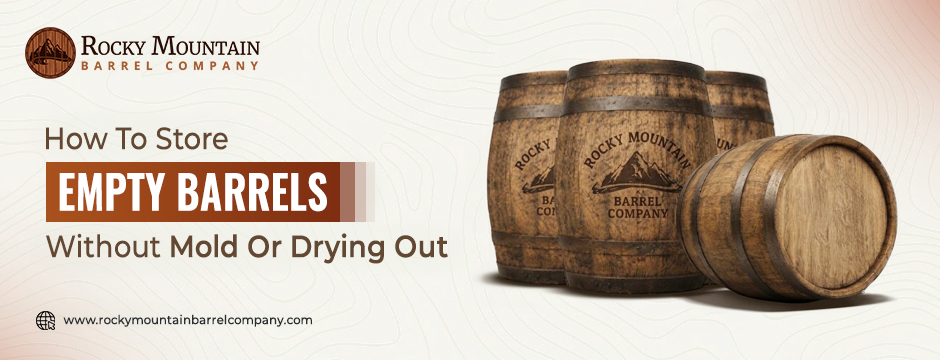
Key Takeaways
- Store barrels in a stable, shaded, well-ventilated environment.
- Prevent mold by managing moisture and checking barrels regularly.
- Check the wood, hoops, and the interior of the barrel prior to next use.
Introduction
An empty barrel also needs some care after it has been emptied of its contents. Too much moisture can produce mold, while too dry air can cause the oak to shrink and the joints to open up. Used wooden barrels are best maintained by protecting the wood and avoiding excessive moisture. Storing the barrels in a consistent way will help to keep them in good condition for future use.
Why Does Proper Storage Matter for Empty Barrels?
When oak is subjected to environmental influences, it will change. In dry conditions, the wood will shrink. Eventually, there may be sufficient shrinkage for large gaps to open up between the staves of a barrel. Storing a barrel in a damp, poorly ventilated environment is likely to result in the development of moisture and musty odors.
Storing your empty barrels between batches of whisky is of equal importance to the handling of the barrels before filling. The previous contents of the barrel, the methods of cleaning, and the intended use of the barrel all have to be taken into consideration when handling the empty barrels. The supplier of the barrels should be consulted for the best way to store the empty barrels to ensure maximum care and to extend the life of the wood.
How Should You Prepare a Barrel Before Storage?
After emptying, inspect for any signs of remaining liquid, sediment, or unusual odor, and then thoroughly clean and sanitize. Care must be taken to select the proper cleaning methods for the prior use and intended use. Use of harsh or unapproved cleaning agents could leave residue on the barrel or alter the wood in some way.
Leave the barrel empty for a long time, but do not store it in a very hot, dry environment for extended periods of time. Don’t treat an oak whisky barrel as if it were a piece of decorative wood. Prepare it for the beverage that you will fill it with, using the supplier’s preparation method for previously used barrels of that type.
Additionally, Rocky Mountain Barrel Company provides care and maintenance information for oak whiskey barrels in the Rocky Mountain Barrel Company Barrel Care and Maintenance Guide.
What Storage Conditions Help Prevent Mold and Drying?
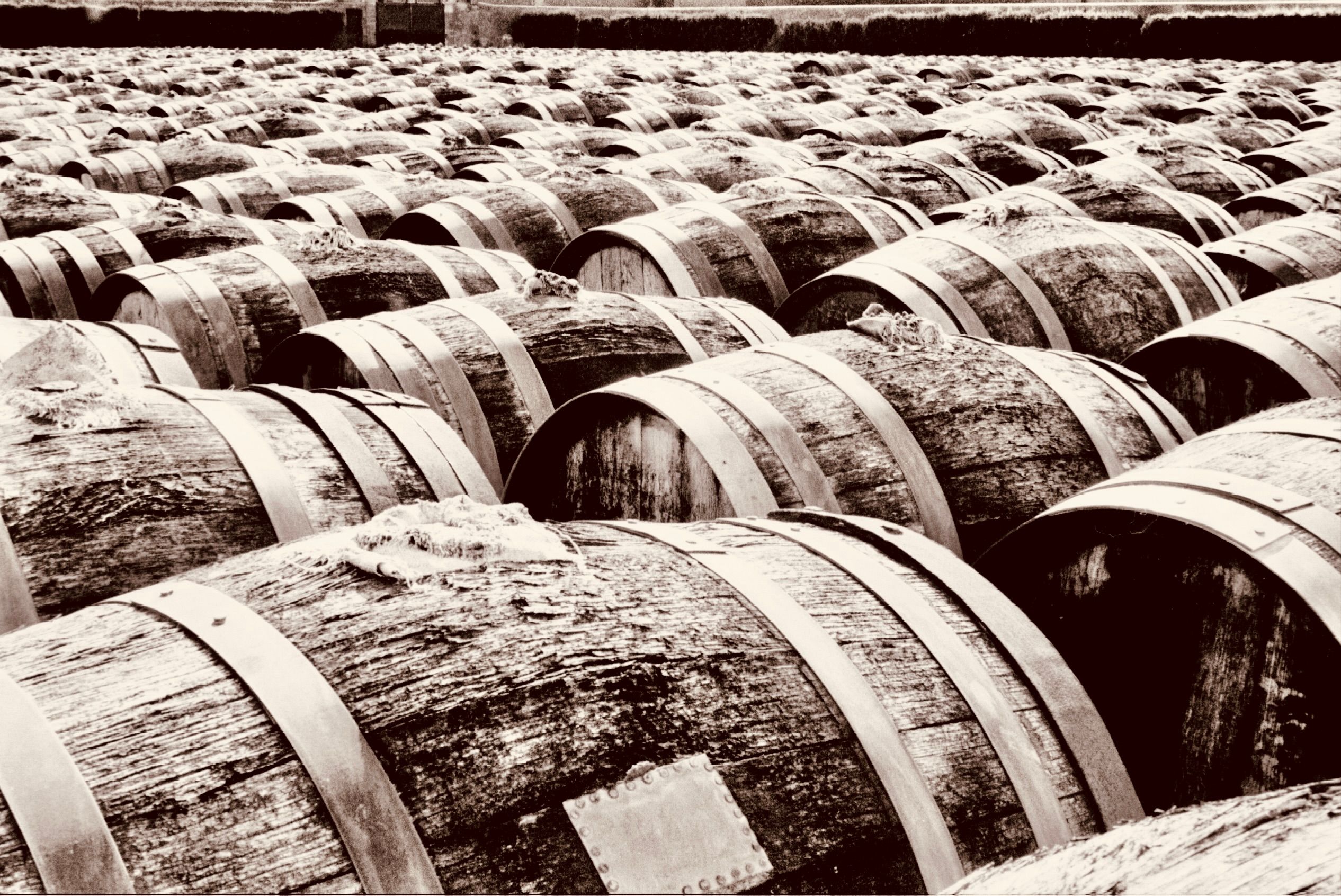
A dry basement or warehouse with a consistent humidity level is ideal for storage. Walls with dampness should be kept away from the barrels, and there should be no direct heat sources, strong drafts, or dry air circulating near the barrels.
Do not store barrels on the ground, in basements or in other areas that may get wet. Store them on stable supports, and leave sufficient space between them to allow for air to circulate. Ensure the storage area does not suffer from condensation, and if it is consistently dry or damp, then sort out the underlying problem and not just check on them from time to time.
When looking at oak barrels for sale, consider how they will be stored after delivery to your premises. The barrels must be stored in suitable conditions to maintain the oak.
How Can You Prevent Mold Without Drying Out the Wood?
Begin with proper cleaning, complete draining, and good airflow. Avoid leaving stagnant water inside the barrel or sealing in moisture without a suitable storage plan. Check the bung opening, joints, and exterior for unusual growth or persistent dampness.
If you notice visible mold or a strong musty smell, do not assume that wiping the surface will make the barrel safe for beverage use. Ask the supplier or a qualified cooper about an appropriate cleaning and sanitizing method. The right approach depends on the barrel’s history and intended use.
Regular inspections help protect used wooden barrels before small problems become more difficult to address.
How Can You Tell Whether a Stored Barrel Has Dried Out?
Look for shrinking wood, visible cracks, gaps between staves, or loose joints. These signs suggest the barrel may need attention before it is filled again. A dry barrel can also leak when liquid is introduced, so appearance alone cannot confirm that it is ready for use.
Follow the supplier’s instructions for controlled rehydration and leak testing. If damage appears structural, consult a qualified cooper instead of attempting an improvised repair.
How Can You Keep Your Barrels Ready for Their Next Use?
We always recommend storing oak with consistent humidity to prevent it from drying out too quickly or becoming too wet. Whether you are looking to repair a used whisky barrel, comparing used wooden barrels for sale, or simply looking at new oak barrels for sale, make sure to inspect the barrel for any signs of damage, as well as the storage it was kept in prior to your purchase. Contact Rocky Mountain Barrel Company for more information on our current stock and which of our high quality barrels will be best for your needs.
Frequently Asked Questions
How long can empty barrels be stored before they dry out?
Ans: There is no single timeframe for every barrel. Drying depends on humidity, temperature, airflow, and the wood’s condition. Inspect barrels regularly and follow supplier guidance.
What humidity and temperature are best for storing empty barrels?
Ans: Choose a cool, shaded location with stable humidity and minimal temperature swings. Avoid excessive dryness, direct heat, and damp conditions. Follow recommendations specific to your barrel.
How do you stop mold from growing inside an empty barrel?
Ans: Remove leftover contents, clean appropriately, drain thoroughly, and maintain airflow. If mold or musty odors appear, seek advice on suitable treatment before using the barrel for beverages.
How can you tell if a stored barrel has dried out?
Ans: Check for cracks, shrinking wood, gaps between staves, and loose joints. Rehydrate and leak-test the barrel according to supplier guidance before filling.
Should empty barrels be stored upright or on their side?
Ans: Use stable supports and follow the supplier’s recommendations. Whichever position you choose, prevent contact with pooled water and maintain airflow around the barrel.