New vs Used Barrels for Brewing: Which Is Best for Your Beer?
September 8, 2025
How to Maintain Flavor Consistency Across Thousands of Barrels
September 17, 2025
On the subject of beer brewing, the selected barrel can always be considered a really important factor. In a way, it’s not much of a container; the barrel, in some measure, decides how the beer finally tastes. No matter whether you are a novice brewer or an experienced one, it is essential that you know what type of barrels to use for brewing, or the new ones should be utilized if you wish to produce finer beer.
Why Does the Barrel Matter?
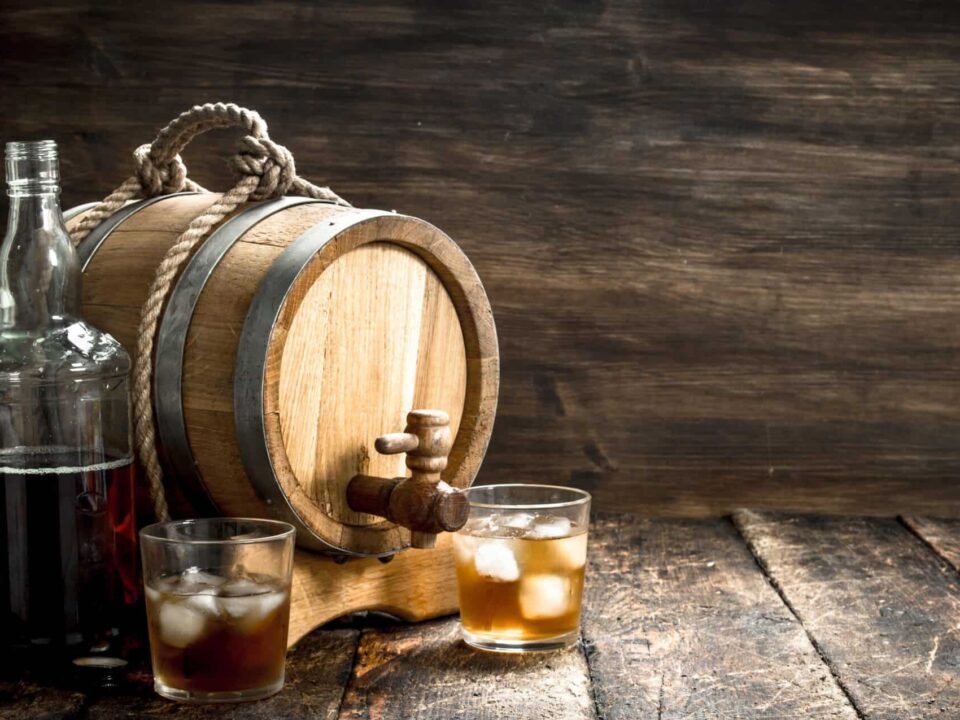
Barrel storage of beer does no justice to maturing it. The wood’s natural state and the prior contents could be something that makes any brew different in taste. For example, these oak barrels may impart flavors of vanilla, caramel, and a hint of smokiness. With these flavors involved, the beer takes on a more contrasting and more interesting taste.
Different Types of Barrels You Can Use
Oak Barrels: Oak barrels have long been a worldwide symbol of oak manufacturing in the brewing industry. They will impart bold and appealing flavor profiles to the beer. Mainly, two types of oak barrels are encountered: American oak barrels and French oak barrels. American oak barrels would tend to give a beasty flavor, whereas French oak barrels would lend refined and subtle notes to the beer.
Used Bourbon Barrels:These are the barrels that have previously held bourbon, specifically types of barrels used in brewing. Since these used barrels for brewing have in the past been used to mellow bourbon whiskey, the tastes inside of them are somewhat reminiscent of that which they once held. The flavors, set especially inside the charred interior of the barrel, have a smoky, caramel, and vanilla-like scent. Many brewers love using them for the brewing of their beers because the old bourbon barrels impart an intense and characteristic personality to the brew.
Wine Barrels: An alternative option is to use wine barrels. With a tannic and fruity grade, this kind of beer might perhaps have been produced in barrels that had previously stored red wine. In general, these barrels are used to make sour beers or ales of the Belgian style. This beer gains a bit more fruitiness, which lends a somewhat fuller balsamic taste.
What Should You Think About Before Choosing a Barrel?
Before anything else, consider what was in the barrel before. The different contents would give different profiles: bourbon versus wine barrels. Then comes the size. The surface area of the wood exposed to the beer is much larger compared to the barrel’s volume, as the barrel size decreases; thus, smaller barrels imbibe more flavor into the beer more quickly. Largerbourbon barrels used for brewing work better for more extended periods of aging.
The condition of the barrel should also be checked, and it must have none of the following: scratches, cracks, or leaks. Smell-wise, one must not trace any hint of mold or anything unpleasant. Some used bourbon barrels for brewing were burned or toasted in some sense. The char gives a great deal of taste to the extent that it is just either simple to the least: a light toast will provide a mild, barrel-like mouthful, and a very charred one will step loud and smoky notes.
Where to Buy Brewing Barrels?
Wondering where to buy brewing barrels? Several reliable locations exist. The Rocky Mountain Barrel Company is a premier establishment, reputed for the sale of used barrels ranging from bourbon, whiskey, and wine varieties, all of which are suitable for brewing.
How to Use a Barrel for Brewing?
Cleaning and sanitizing of the barrel must be done thoroughly to render it fit to be used. Thus, it could avoid the tastes or contaminants that one dislikes. During the period of beer maturation in the barrel, it is essential to perform periodic checks on the beer to monitor the progress of flavor development. Let your experiments fly with any brewing barrels for sale; you may find that it’s unlike any other batch you’ve done before.
Conclusion
Since barrel usage may change beer flavor considerably in this case, each barrel type must bring characteristics that are unique to the beer: wine-barrel, oak-barrel, or some barrel that has undergone conversion from being a bourbon barrel to being a brewing barrel. Always remember to consider the size of the barrel, its condition, and what the barrel contained before taking any action. Rocky Mountain Barrel Company is an excellent place to buy brewing barrels because they have so many to choose from. You may get just what you need to make your perfect brew in their selection of old barrels.
FAQs
Q1: How much of a beer’s final flavor profile is affected by choice of barrel?
Ans: The type of barrel accounts for 60 to 75% of the final flavor for aged beverages. The base beer accounts for 25 to 40%. In many circumstances, that means choice of barrel is more important than choice of base spirit. Brewers Association’s information states that choosing the same type of barrel for a given beer style increases the chance of a successful product from 45% to 78%.
Q2: How do I choose the right barrel for the right beer style?
Ans: Suggested pairings for barrel and beer style are: (1) Stouts and Porters –> Bourbon barrels (vanilla and caramel balances and complements dark roasted malt) (2) IPAs and Pale Ales –> Wines or fruit barrels (light fruits can round out the bitterness of hops) (3) Barleywines –> Bourbon or new oak (new barrel oak can be bold and complement the grain) (4) Sours –> Wines or neutral oak. 60% of brewers match their barrel choice and beer style.
Q3: How long can I expect to wait for the target flavor in a given barrel type?
Ans: Flavor can take time based on type of barrel. For example: Ex Bourbon barrels –> flavor after 3-4 months, Ex wine barrels –> 2-3 months and new oak barrels –> 6-12 months. Barrels that have been used are very porous and fast extract flavor, while new barrels take a long time to undergo further slow chemical binding. It is recommended to taste monthly, as new barrels can age faster than used. Each 1°C increase in storage temperature increases the aging time by 10-15%.
Q4: What is the success rate for a first time barrel aged program and what contributes to success?
Ans: 78% of a brewers first attempts to barrel age meet their target flavor if they match their barrel choice to the beer style. This is compared to the 45% success rate of randomly selecting barrels. Success factors: (1) Aligning barrels and style (60% influence); (2) Tasting and tracking barrels (25% influence); (3) Controlled environment (15% influence). Successful barrels sell for a premium of $6 to $12 per unit.