Choosing the Right Barrel for Brewing: Oak, Whiskey, Wine & Beyond
September 17, 2025
How Long Can I Keep a Whiskey Barrel?
October 14, 2025
The making of quality spirits is an art and science. Achieving uniformity in taste across all bottles is one of the most challenging problems for distilleries, even when the spirit has been aged in thousands of barrels. Every barrel has small variations because of the grain and the climate of the woods and former usage. In the long run, these differences may accumulate. Then how do master distillers and brewers remain constant at large volumes of work? It begins by learning about barrels, keeping a close eye on them, and using blending methods that do not alter the brand’s signature flavor.
Here, we will discuss some practical solutions for maintaining flavor consistency among thousands of barrels when dealing with used barrels for brewing, winemaking, or spirits production.
The Role of Barrels in Flavor
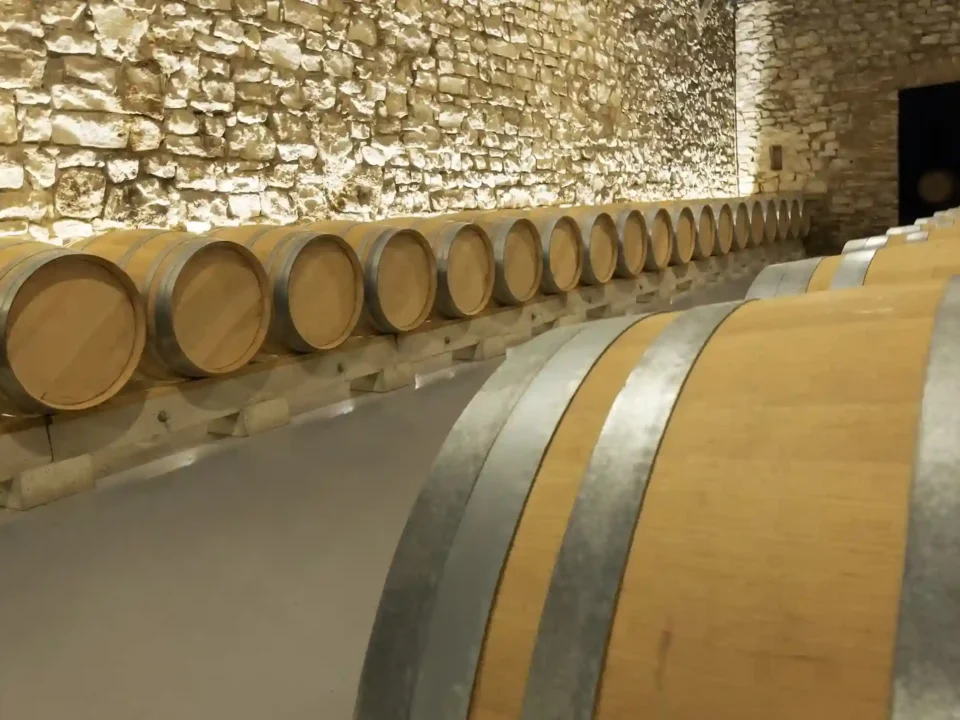
Barrels do not simply store; they contribute to the aging process. A spirit or beer in a barrel removes tannins, sugars, and complex compounds from the wood. The taste is determined by a variety of factors, including:
- The kind of wood: American white oak is the most popular for bourbon and whiskey.
- The char or toast degree: It dictates the extent of smoke and caramelization aroma on the flavor.
- History of the barrel: For example, used bourbon barrels are rich with vanilla, caramel, and spice flavors and can be used as a secondary use in brewing or finishing.
Since no pair of barrels is identical, maintaining consistency when dealing with a huge inventory is an issue that has to be addressed with a lot of planning.
The Distillers and Aging in Used Barrels
When breweries or distilleries buy used barrels for brewing, they are hoping to get certain flavor profiles that fresh oak will not provide. For instance:
- Bourbon barrels used in brewing are also considered to be richly complex, and they will match up well with stouts, porters, and even experimental sours.
- The wineries can find barrels that have been used to store whiskey or sherry to provide stratification to their wines.
Difficulties of Flavor Consistency in Thousands of Barrels
Natural Variation in Wood
Barrels made of the same oak tree will not act alike. That is determined by the density, the tightness of grains, and the level of internal toasting of the grain, which in turn affects the extraction of flavors in the liquid.
Different Aging Conditions
The change in temperature, humidity, and storing position in the warehouse leads to hot spots that cause the spirits in some barrels to age more than those in other barrels.
Premixed Contents of Used Barrels
Bourbon barrels are available for purchase, and therefore, distilleries need to consider what the barrel was previously filled with. Four-year-old bourbon in a barrel will not have the same flavor as ten-year-old bourbon in a barrel.
Strategies to Secure Flavor Consistency
Standardization of the Barrel Sourcing
Using a reliable supplier would mean that barrels are checked, washed, and sorted. The distilleries lower the risk of inconsistent flavors by obtaining suppliers who can be trusted to deliver on them. One can use buying batches of used bourbon barrels from the same distillery as an example to enable consistency in production.
Warehouse Management in Segments
Mass distilleries commonly cluster barrels by date of entry, proof, or place in the warehouse. This enables them to trace changes better and mix in that way.
Periodic Tasting and Sampling
During the aging process, samples are taken by quality control teams from barrels. The samples can determine which barrels fit the target profile and which might need blending corrections.
How Used Bourbon Barrels for Brewing Are Used to Improve Consistency
In the case of breweries, the breeding of used bourbon barrels for brewing is a potent instrument in the creation of unique but consistent taste. Brewers can regulate the strength of the bourbon flavors in their stocks since they can buy it in large quantities from the same supplier. This comes in handy, especially with seasonal releases or those that are year-round and barrel aged.
The availability of high-quality bourbon barrels to sell enhances the reliability of flavors as well as minimizes wastage and delays in production.
Conclusion: Collaboration, Consistency, and Quality
It is no big undertaking to maintain flavor consistency in thousands of barrels. Natural wood variations, aging conditions, and so many factors can affect the product. However, when sourcing, sampling, blending, and storing are properly practiced, distilleries and breweries can obtain a stable flavor profile that will attract customers back again.
At Rocky Mountain Barrel Company, we sell high-quality barrels to distilleries, breweries, and wineries, laying the foundation for consistency in flavor. Get your free customized barrel quote today and collaborate with Rocky Mountain Barrel Company to enjoy consistency in every batch.
FAQs
Q1 Why do barrels from the same wood lot produce different flavors?
Ans. From the same grove, one lot of oak can still vary in flavor by ±15%. In the same lot of wood, some can have different levels of wood grain, differing levels of wood density, even differing past weather. Lactones in oak, which are compounds that typically produce a vanilla flavor, can differ by 10-30% from one barrel to the next. As different compounds are brought to the surface through different levels of wood char, it can affect flavor by an additional ±5-10%. Professional quality control addresses this through blending barrels rather than expecting perfect consistency.
Q2 How much does temperature fluctuation affect flavor consistency in barrels?
Ans. In the aging process, a variation in temperature of ±2ºC can yield a ±5-8% difference in flavor. In a barrel aging at 58ºF versus 60ºF that can produce a noticeable difference in flavor intensity. A variation of ±10% relative humidity can yield a 3-4% difference in flavor. A solution can be climate controlled storage from 55ºF to 65ºF and humidity from 60% to 70%. A digital system can alert staff in real time with a change outside the controlled limits.
Q3 What is the cost of flavor inconsistency, and how is it prevented?
Ans. A producer will lose 3-8% of value from flavor inconsistency. For a distillery at 100,000 bottles and $40 retail, that is a value loss of $120,000 to $320,000. Digital barrel tracking can prevent 40-50% of loss. Other strategies, required for ISO 9001 Certification, include monthly sensory testing and climate control.
Q4 How can digital barrel management systems improve consistency?
Ans. Compared to manual tracking, digital tracking of barrels (RFID tags, Bar Code tracking, Cloud Data, and other Digital Systems) can reduce flavor variance by 40-50%. Digital Systems can include origin location, date filled, and temperature and humidity along with notes from each tasting.