
The Future of Sustainable Barrel Reuse in the Global Spirits Industry
August 18, 2026
How to Inspect a Used Whiskey Barrel Before You Buy
August 24, 2026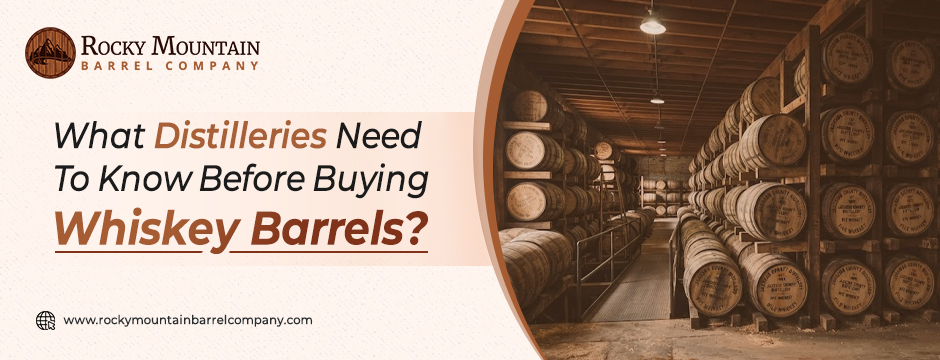
Buying whiskey barrels isn’t as simple as placing an order and waiting for delivery. Availability, pricing, and timing are all connected — and a decision made too late in any one of them can throw off an entire production schedule. For distilleries planning their next batch, understanding how these pieces fit together is the first step toward avoiding costly delays.
Key Takeaways
Here are some key things to remember:
- The availability of whiskey barrels depends on how much oak is available, how much the cooperage can make, and how far in advance you order the barrels.
- The price of whiskey barrels can change depending on how much bourbon and whiskey people want to buy, so it is an idea to plan and order early.
- Used whiskey barrels have flavors from the spirits that were in them before, while new oak barrels are needed for bourbon.
- Every barrel should be checked to make sure it is strong and clean before it is used.
- A good barrel supplier can help you plan when ordering barrels, so you have them when you need them.
For any distillery, the barrels they use are foundational to the final product. The barrel directly shapes how the spirit tastes, smells, and ages over time. Whether you’re producing a small batch of whiskey or scaling a bourbon run, choosing the right barrel is one of the most important decisions a distillery will make.
At Rocky Mountain Barrel Company distillers often ask the questions before they place an order: how far ahead they should plan, what is affecting the price of barrels this year and how do they know if a used barrel is worth the price.
Barrel Availability Starts with the Supply Chain
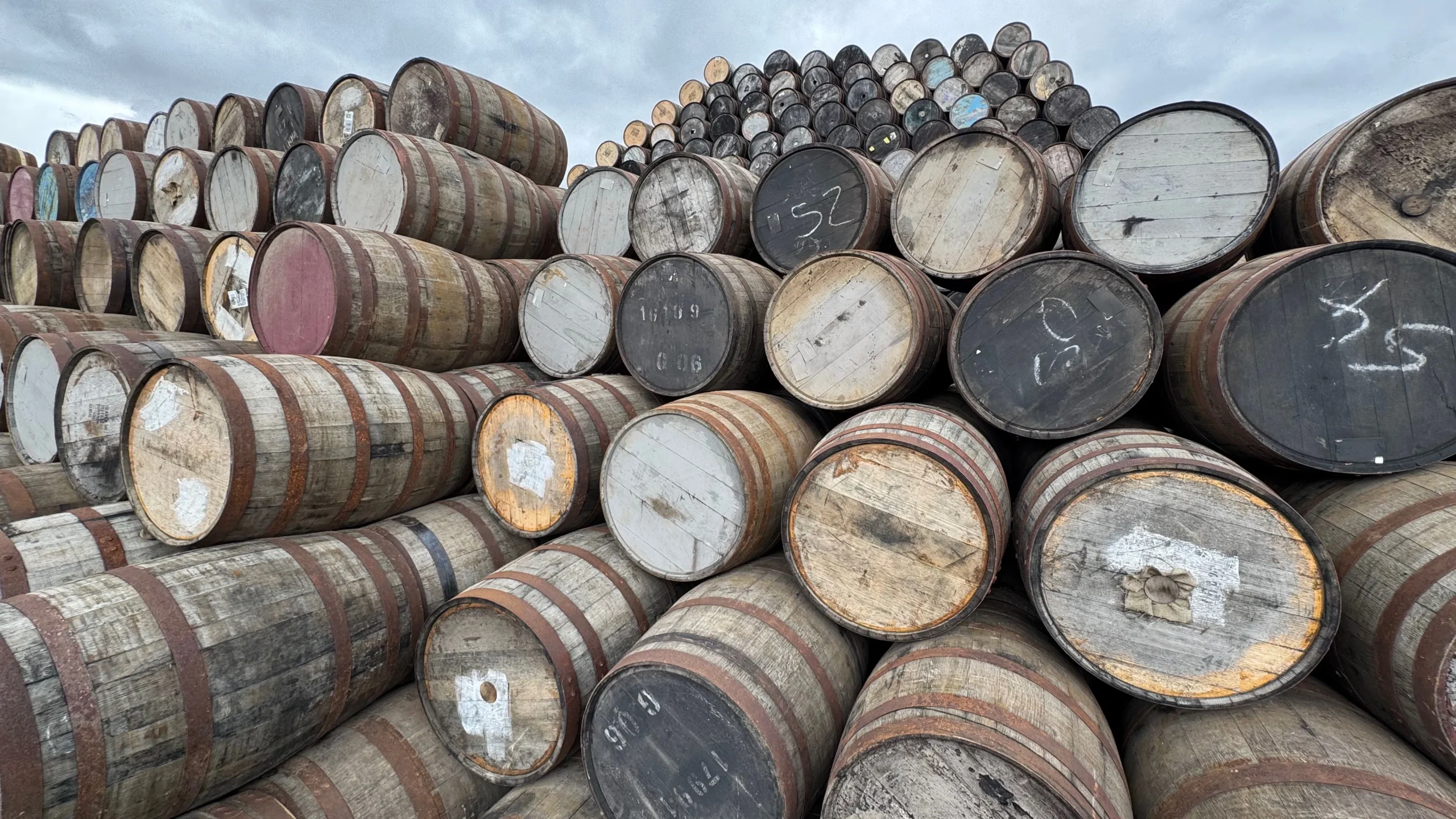
The availability of whiskey barrels starts with the supply chain. Whiskey barrels are made from oak. Have to be made by a cooperage. If a lot of distilleries want barrels at the time, it can be hard to get them. If a distillery waits until the minute to order barrels, they might not get them on time.
Working with a supplier that gets barrels from cooperages and distilleries can help distilleries get the barrels they need. Rocky Mountain Barrel Company gets barrels from these places, so distilleries can order as many or as few barrels as they need.
Pricing Trends Are Tied to Demand, Not Just Wood
The price of whiskey barrels is not the cost of the oak. When people want to buy bourbon and whiskey, the price of barrels goes up. The time of year the size of the barrel and whether it’s new or used, can also affect the price.
Most barrel suppliers, including Rocky Mountain Barrel Company, give prices based on how many barrels ordered, what type of barrel it is, and how far it must be shipped. If a distillery orders barrels early, they can get a price.
Why Procurement Planning Matters More Than It Seems
Timing matters as much as the order itself. Aging whiskey takes time, so distilleries need to plan their barrel orders well in advance. Waiting until the last minute can mean the difference between having barrels ready and falling behind schedule.
Working with a supplier can help distilleries plan when ordering barrels. Rocky Mountain Barrel Company works with distilleries to understand their production goals and timelines so they can order the barrels at the right time.
What Makes a Whiskey Barrel Worth Buying
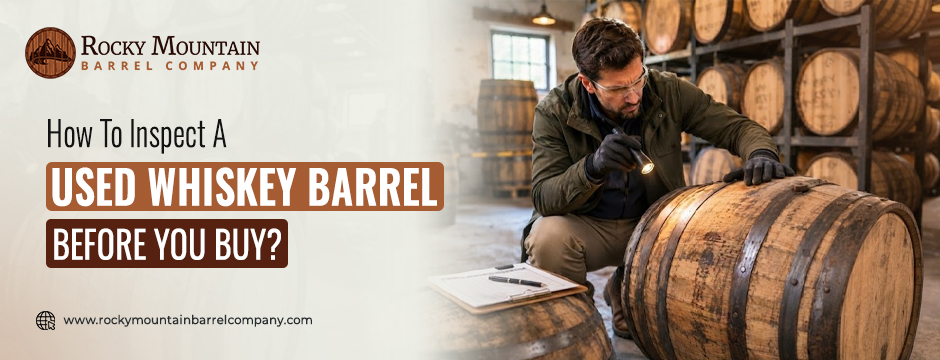
Not all whiskey barrels are good to use. Before a barrel is used, it should be checked to make sure it is strong and clean. The barrel should be checked for:
* Structural soundness: The staves and hoops should not be damaged
* Cleanliness and hygiene: There should be no residue or contamination
* Char or toast level: It should be consistent with the flavor the distillery wants
* Barrel history: What spirit was in the barrel before
Rocky Mountain Barrel Company checks every barrel before it is shipped, so distilleries can be sure they are getting a barrel.
New Oak or Used Barrels: It Depends on the Spirit
New oak barrels and used barrels are different. New oak barrels give an oak flavor, which is why straight bourbon must be aged in new charred oak barrels. Used whiskey barrels have an oak flavor and can add flavors from the spirit that was in them before.
The type of barrel a distillery chooses depends on the flavor they want and the type of spirit they are making.
The Bottom Line
The bottom line is that buying whiskey barrels is not a one-time thing. It is about planning to get the right price and making sure the barrels are of good quality. Distilleries that plan and work with a supplier can make sure they have the barrels they need when they need them.
Ready to plan your barrel order?
You can request a quote from Rocky Mountain Barrel Company. Talk to them about availability, timing, and the right type of barrel for your next batch.
FAQs
What should distilleries consider before buying used whiskey barrels?
Distilleries should look at the barrel’s previous contents, its structural condition, how it has been stored, and whether it has been properly inspected for leaks or contamination. Barrel history matters just as much as physical condition, since it directly influences the flavor; the barrel will pass on to the next spirit.
How do used whiskey barrels affect spirit flavor?
A used whiskey barrel carries flavor compounds from whatever spirit aged in it previously, layered on top of the oak’s own character. This typically produces a milder, more rounded oak influence than a new barrel, along with subtle notes tied to the barrel’s prior use.
Are whiskey barrels suitable for aging different types of spirits?
Yes, used whiskey barrels are commonly used to age rum, tequila, and other spirits, and they can add distinctive character during the finishing stage. That said, distilleries should be aware of category-specific rules, since some spirits, like straight bourbon, are required by law to use new, unused barrels rather than used ones.
How can distilleries ensure they are buying quality barrels?
Distilleries should work with a supplier that inspects every barrel before it ships, checking for structural integrity, cleanliness, and accurate barrel history. Asking a supplier directly about their sourcing and inspection process is a reasonable step before placing an order, especially for a first-time purchase.