
How to Inspect a Used Whiskey Barrel Before You Buy
August 24, 2026
How long can a bourbon barrel be reused before it stops adding flavor?
September 17, 2026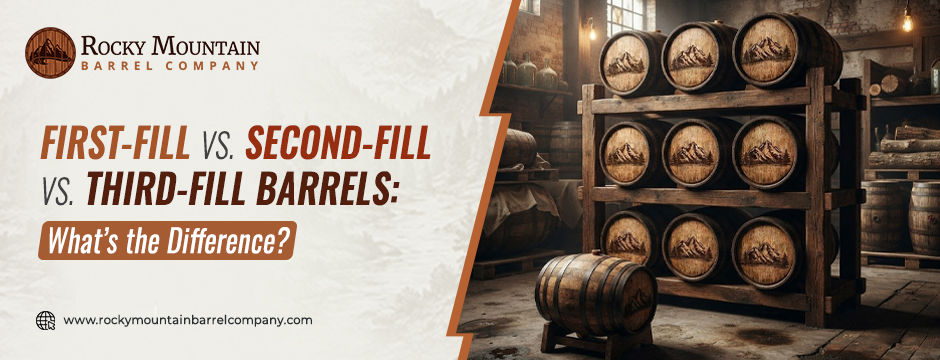
Ask any distiller why they choose a barrel for a spirit, and the term “fill level” appears almost as often as “char level.” This detail sounds technical. It really explains a lot about why whiskey tastes the way it does. A first‑fill barrel and a third‑fill barrel can hold the spirit for the same number of years, yet they still produce two noticeably different results.
If you have spent any time browsing used bourbon barrels or using whiskey barrels for a home project, you have probably encountered these terms without an explanation of what they mean. Here is a real breakdown of fill, second‑fill, and third‑fill barrels, and why the number of times a barrel has been used matters as much as the wood it’s made from.
Key Takeaways
Fill level is how many times a barrel has held spirit before. I think this fill level directly affects how much flavor the wood can still give to the spirit.
First‑fill barrels are active. I see how first‑fill barrels pull vanilla oak flavors from the wood in the shortest time.
Second‑fill barrels give a balanced influence. I notice that second‑fill barrels allow the spirit’s own character to shine.
Third‑fill and later barrels add flavor. I note that these barrels are used more for oxidation than for oak notes.
Used oak barrels never lose usefulness. I observe that used oak barrels change roles as they age through more fills.
The best fill level depends on the spirit and the flavor you want. I remember that no single fill level is always the best.
What “Fill Level” Actually Means
Every barrel begins as a first‑fill barrel when it first ages spirit. When you pour out that spirit and fill the barrel again, it becomes a second-fill barrel. Fill it a second time, and it becomes a third-fill barrel, and so on. Some barrels are used four, five, or even more times before they are retired or turned into something.
The reason this matters is simple: wood adds flavor. Bourbon barrels, for example, start full of compounds from toasting and charring—vanillin, tannins, sugars that turn into notes, and all the aromatic character from American oak. Each time a spirit sits in a barrel, some of those compounds are absorbed into the liquid. The more times a barrel is filled, the fewer compounds remain to be extracted.
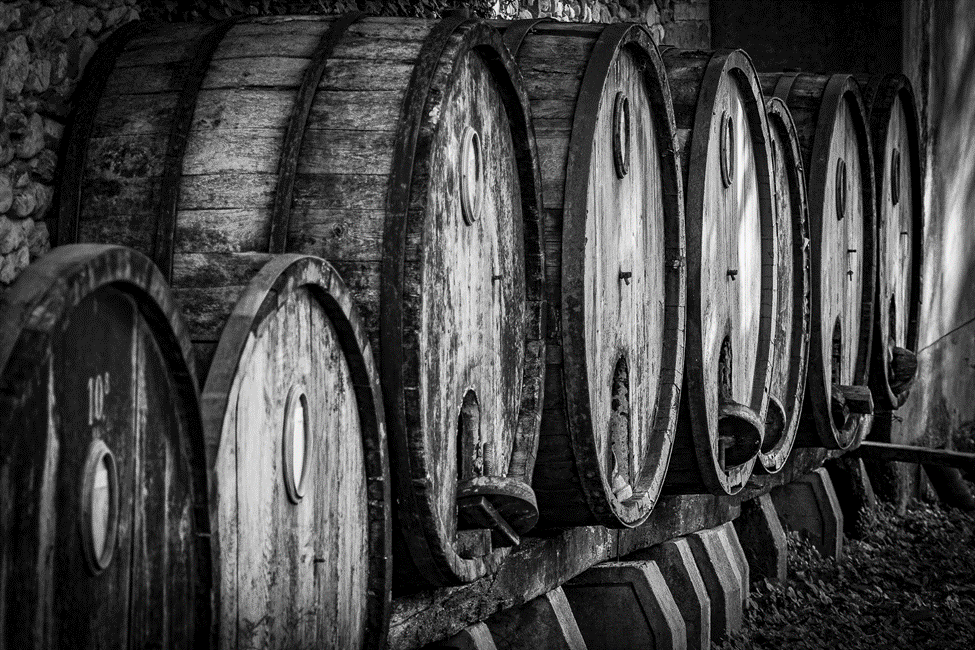
First‑fill barrels
First‑fill barrels are the powerhouses. Because first‑fill barrels haven’t given up any of their flavor yet, they interact with the spirit, pulling out vanilla, caramel, coconut, and oak spice notes in a short window of time. That is why many bourbon producers rely exclusively on first‑fill barrels – by law, bourbon must be aged in charred oak, so every bourbon barrel begins its life as a first‑fill barrel.
When a first‑fill barrel is emptied and sold as a bourbon barrel, it begins a new life where it’s prized for a different reason: it still carries plenty of leftover character, though not as intense as it did the first time.
Second-fill barrels
During the filling process, many oak flavors are removed. A second-fill barrel becomes softer.
Spirits aged in second-fill barrels still receive hints of vanilla and light caramel.
The spirit’s own character has room to shine.
The wood does not dominate the drink.
That is why used whiskey barrels and used oak barrels are often chosen for aging rum, beer, hot sauce, and other products where much oak would be excessive.
Second-fill barrels add wood influence to smooth and shape the flavor without letting the wood dominate entirely.
Third‑Fill Barrels (and beyond)
By the time a barrel reaches its fill, most of the easy‑to‑extract flavor molecules have already been taken out. Third‑fill barrels provide more vanilla, caramel, and spice than first‑fill or second‑fill barrels. Third‑fill barrels still add oxidation and a soft mellowing touch because the porous wood continues to let in air even after most of the strong flavor has disappeared.
Third‑fill barrels and barrels used more than once are usually chosen for projects that need longer aging. In those projects, a producer wants a slow smoothing of a strong oak taste, or a heavy vanilla‑and‑caramel flavor would not suit the product. Some producers also use barrels for short‑term storage or blending, where the goal isn’t to pull out flavor.
Choosing the Right Fill Level for Your Project
There is no correct answer. It depends on what you’re making and how much oak character you truly desire.
- If you want bourbon character quickly, a first‑fill barrel is the best choice because it has not surrendered any of its punches yet.
- If you are working with a spirit that already has a flavor, such as a rum or a specialty beer, a second‑fill barrel adds complexity but does not overpower the existing flavor.
- If you are looking to mellow over an aging period or if you are working with something delicate, a third‑fill barrel provides a lighter touch.
- If you are buying used bourbon barrels. If you’re using whiskey barrels for a home project, ask about the fill history if possible. It will give you information about what to expect than the barrel age alone.
The Bottom Line
Fill level is one of those things that people often miss, but it says a lot about why two barrels made from the same oak can end up with very different outcomes. First-fill barrels deliver rich flavor quickly. Second-fill barrels provide a middle path that lets the spirit show its own character. Third-fill barrels add strong flavor but still help soften and gently age the spirit.
None of these choices are better than the others in a way. They are just different tools for different tasks. When you know what fill level actually affects a barrel, picking between a first-fill, second-fill, or third-fill barrel stops being a guess and becomes a real way to create the flavor you want.
FAQs
What is a first-fill barrel?
Ans: A first-fill barrel is one being used to age spirit for the very first time. Because none of its flavor compounds have been extracted yet, it delivers the boldest vanilla, caramel, and oak character of any fill level, which is why bourbon barrels are always first-fill.
What is the difference between first-fill and second-fill barrels?
Ans: A first-fill barrel still has its full supply of flavor compounds intact, so it interacts more aggressively with spirit and produces stronger oak, vanilla, and caramel notes. A second-fill barrel has already given up some of that character during its first use, so it offers a gentler, more balanced influence that lets the spirit’s own flavor come through more.
Does a third-fill barrel still add flavor to whiskey?
Ans: Yes, just less. A third-fill barrel has fewer flavor compounds left to extract, so instead of delivering bold vanilla and caramel notes, it mostly contributes to subtle mellowing and gentle oxidation over time.
How many times can a bourbon barrel be reused?
Ans: There’s no fixed number, but many barrels go on to have second, third, and even fourth lives after their original bourbon fill. As long as the wood stays structurally sound and doesn’t leak, it can keep being reused, just with a gradually lighter flavor contribution each time.
Which fill level is best for aging whiskey?
Ans: It depends on the result you want. First-fill barrels work well for whiskey styles that benefit from bold, concentrated oak character. Second-fill barrels are a solid choice if you want noticeable wood influence without it taking over; third-fill barrels suit longer, subtler aging when you want a lighter touch.