Blending Wine from Multiple Barrels: Tips for Wineries
January 27, 2026
How Our Barrels Help Distillers Create Unique Whisky Profiles
February 6, 2026
The global whiskey industry has grown faster than many anticipated a decade ago. Distilleries are expanding, new brands are entering the market, and aged spirits are in higher demand than ever. One consequence of this growth is the ongoing shortage of whiskey barrels, which has begun to affect distillers, breweries, and beverage producers across North America and beyond.
For buyers who rely on a consistent barrel supply, understanding why this shortage exists and how to plan around it is now essential.
Why the Whiskey Barrel Shortage Is Happening
Oak barrels, by their very nature, are a slow and rigid resource. The process of making a barrel usable takes a year, starting with cutting down the tree. White oak meant for barrel-making must undergo a series of drying, milling, shaping, toasting, and the handyperson’s addition of skilled workers’ union.
The increase in whiskey barrels has caused a supply shortage that cannot keep up with demand. Old barrels that can no longer be reused due to aging standards are the most significant limitation for distilleries that have to make new barrels. Besides that, oak availability is also restricted by forest cycles and eco-friendly practices.
Taking all these factors into account, the current shortage of whiskey barrels isn’t a temporary issue but a structural problem.
The Role of Aging and Storage in Barrel Demand
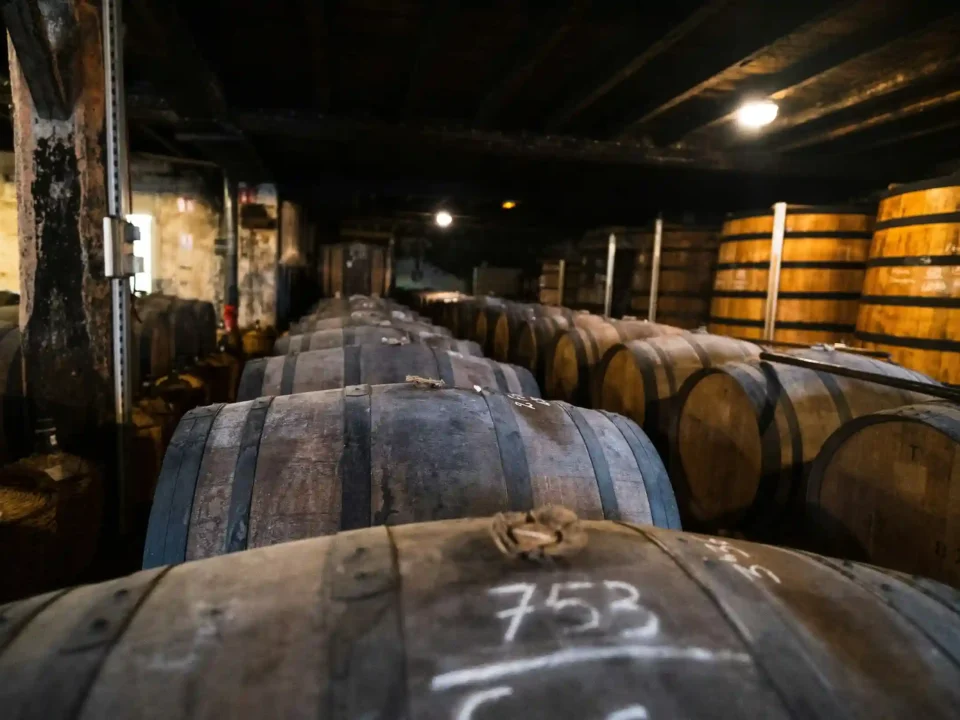
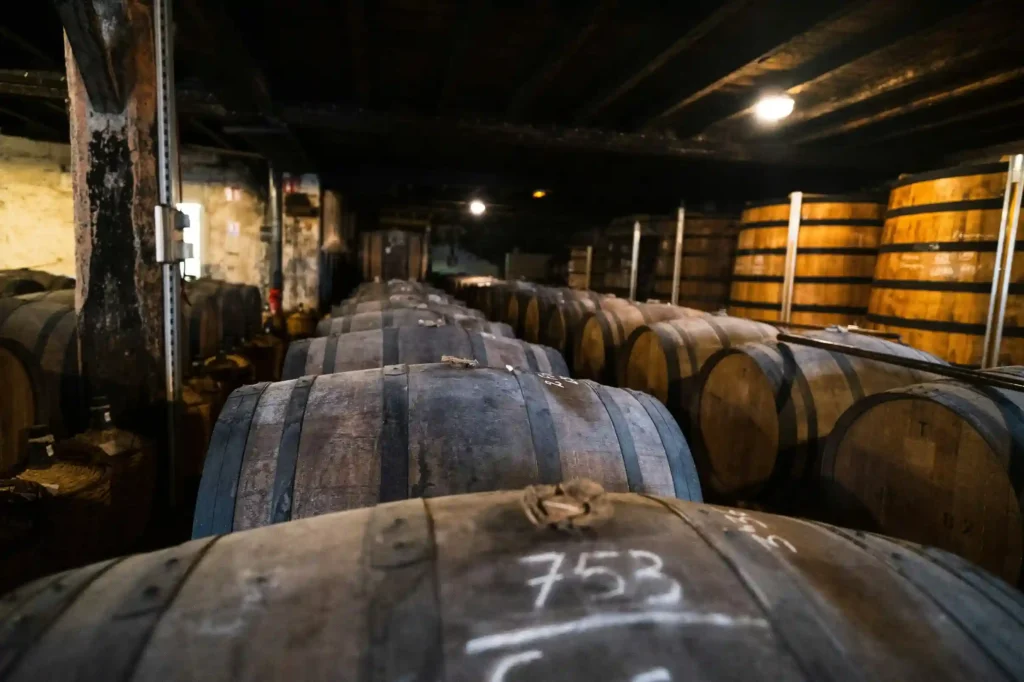
Barrels are not consumed immediately. Once filled, they are tied up for years, sometimes decades. This extended aging cycle means barrels leave the supply chain for extended periods, reducing availability for new producers.
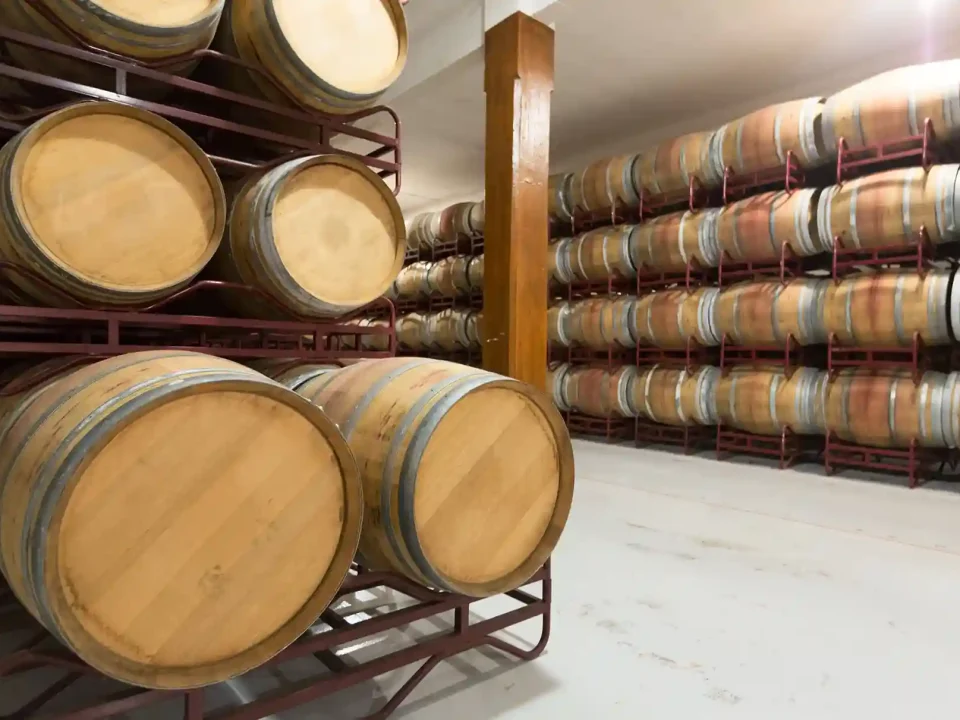
Warehousing capacity has expanded rapidly to support aging inventory, further locking barrels into long-term use. Industry analysis has highlighted how barrel aging and storage timelines directly influence supply constraints and market pricing for oak barrels used in spirits production.
This long lifecycle makes it difficult for suppliers to respond quickly to spikes in demand.
Whiskey Barrels vs Whisky Barrels: Why Both Are Affected
Whether we refer to them as whiskey or whisky barrels, the primary supply issues persist. The differences in spelling indicate the regions’ customs. Still, the specifications of the barrels are essentially the same, particularly in the case of American oak barrels, which are used in various spirit categories.
All Scotch makers, American distillers, and foreign whiskey firms are vying for the same limited amount of oak. Regardless of spelling or origin, this shared necessity leads to market shortages.
Intensifying competition for the best barrels continues as global production rises.
How the Shortage Impacts Pricing and Lead Times
One immediate effect of limited supply is extended lead times. Buyers who previously secured barrels within weeks may now face months-long waits, particularly for new or custom cooperage orders.
Pricing has also adjusted upward as availability tightens. Transportation costs, labor shortages, and raw material pricing all contribute to higher barrel costs. For producers operating on tight margins, these changes can significantly affect production planning.
Understanding these dynamics helps buyers make informed decisions rather than reacting to shortages as they arise.
Securing a Bulk Whiskey Barrel Supply
Planning is crucial for producers who have constant needs. Getting a supply of whiskey barrels in bulk has many benefits, such as securing allocation priority and easier-to-predict delivery times.
Buying in bulk gives the buyer the advantage of:
- Keep supply secured before demand grows
- Plan delivery along with production schedule
- Cut down total logistics costs per unit
Build strong ties with suppliers over a long period
Nevertheless, bulk orders entail precise forecasting. Before placing large orders, buyers need to evaluate their storage capacity, financial situation, and aging plans.
Planning Strategies for Buyers
To navigate ongoing supply constraints, buyers should consider a multi-layered approach:
- Forecast barrel needs well in advance
- Work with suppliers who maintain consistent inventory access
- Remain flexible on barrel specifications where possible
- Avoid last-minute purchasing whenever feasible
Proactive planning reduces exposure to sudden shortages and price volatility.
Long-Term Outlook for Barrel Availability
The forecast for barrel supply is careful but steady. Oak growth cycles are the reason for the slow, gradual relief rather than quick relief. Forest management and sustainability practices are the primary factors that determine how quickly expansion can take place, with long-term availability as the primary goal for the latter.
Over the next few years, it would be prudent for buyers to expect intense competition for barrels and the necessity of planning as significant advantages.
Final Thoughts
The present-day whisky barrel deficit signifies both the liquor industry’s victories and its struggles. Greater consumption, a lengthy aging process, and oak shortages have altered buyers’ views on sourcing.
If producers recognize market stress and ensure supply through proper planning and large-scale buying, they can minimize the impact and continue operations without interruption.
Rocky Mountain Barrel Company continues to prioritize assisting the customers in overcoming these obstacles by offering reliable barrel access and advising on long-term supply securing in a market that is becoming increasingly competitive.