The Complete 2026 Guide to Buying Barrels in Bulk: Pricing, Logistics, and Sourcing for Commercial Producers
May 25, 2026
The Used Barrel Economy: How Reusing Casks Cuts Costs and Carbon
May 27, 2026
Wine and spirits are among the best of all marriages in today’s wine and spirits world. Secondary aging and cask finishing are no longer experimental trends; they are critical production steps. A used wine cask can be used to finish bourbon, age a special rum, or try a “house style”. The cask accounts for 70% of the spirit’s ultimate flavor.
But sourcing used wine barrels for sale is quite different than sourcing freshly dumped bourbon barrels. Wood preservation methods, maintenance schedules, and priorities vary among winemakers. Make sure you know some of the realities of working with winemakers’ retired barrels before you consider purchasing them in bulk.
The Preservation Window: Wine Wood is Alive and Vulnerable The most important difference between a used whiskey barrel and a used wine barrel is ambient alcohol. The “devil’s share” trapped in the staves of the bourbon barrel is, naturally, at high proof, which kills the contents. Can leave it empty for months and not have any microbial problems.
The Preservation Window: Wine Wood is Alive and Vulnerable
The most important difference between a used whiskey barrel and a used wine barrel is ambient alcohol. The “devil’s share” trapped in the staves of the bourbon barrel is, naturally, at high proof, which kills the contents. Can leave it empty for months and not have any microbial problems.
The Threat of Spoilage Organisms
Wine is a low-alcohol beverage, generally ranging from 12% to 15% alcohol by volume (ABV). This results in high volatile acidity, acetobacter, and Brettanomyces (wild yeast capable of creating unwanted barnyard aromas) in the empty barrel. A winemaker’s barrel shouldn’t be left empty, unless they sulfur-burn it on the spot or put a holding solution into it. Distillers need to be able to accept, examine, and fill these casks quickly to harvest the wood in the freshest condition possible.
Hydration is Essential
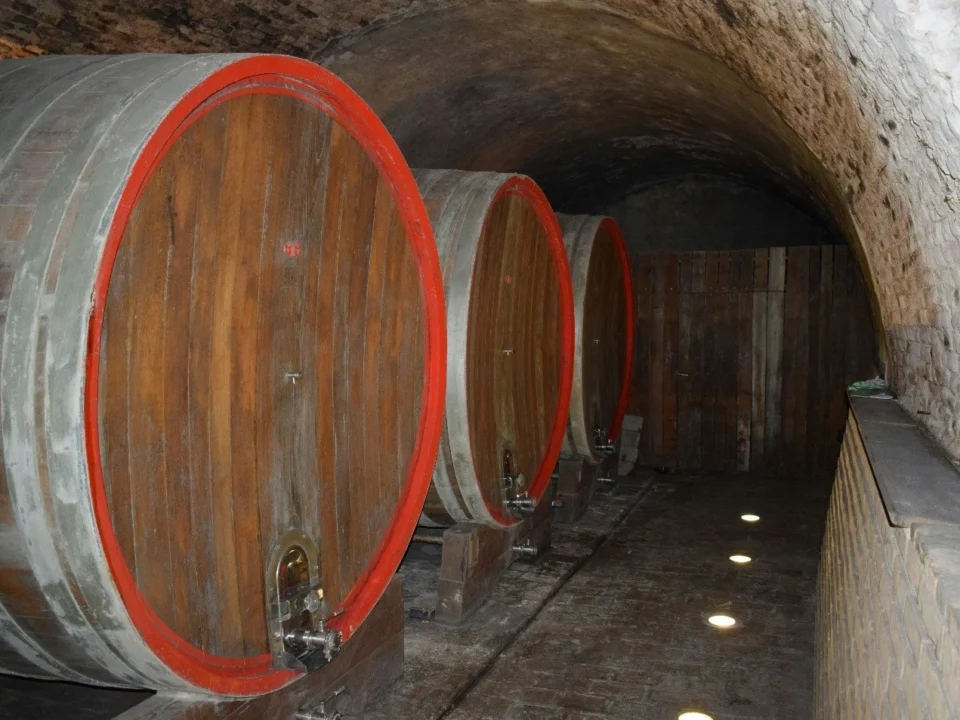
Wine staves are not allowed to be bone-dry; they will not use heavily charred bourbon barrels. When a wine barrel dries, the wood shrinks, the hoops come apart, and you can have a catastrophic leak during filling. Winemakers hope that distillers know that before putting their high-proof spirit into a dry wine cask, it must be properly swollen and rehydrated, often with hot water or steam.
Reading the Oak: Flavor Lifecycles and Toast Profiles It’s easy to see when you’re looking through bulk barrels for sale that a barrel is a barrel. Wine makers spend years thinking about specific forest origins, grain tightness, and a few customized toast profiles in coopering.
Reading the Oak: Flavor Lifecycles and Toast Profiles
It’s easy to see when you’re looking through bulk barrels for sale that a barrel is a barrel. Wine makers spend years thinking about specific forest origins, grain tightness, and a few customized toast profiles in coopering.
Neutral vs. First-Fill Wine Casks
Barrels are a topic of discussion among winemakers regarding “fills.” There is a huge quantity of extractable oak lactones, vanillin, and tannins left in a first or second fill wine barrel. After 4-5 uses, a barrel is “neutral” to a winemaker, meaning it no longer imparts oak flavor to the wine. But a neutral wine barrel can be very valuable to a distiller: its raw woodiness has been removed, leaving behind intense, concentrated fruit flavors, anthocyanins, and vinous qualities that are ideal for finishing spirits without imposing oak notes.
Why is Toasting as important as Charring?
Distillers are used to the deep, dark char of a classic American oak whiskey barrel. Wine makers don’t burn their wood; they toast their wood. Coopers light, medium, or heavy toasting the inside of wine barrels using open flames of oak. This causes the wood sugars to caramelize without forming a carbon filter layer. If you use wine casks, your spirit will directly contact the toasted wood sugars and structural tannins, delivering rich spice, baking, and mouth-feel.
Making Your Size: Scaled Production to Small Oak Barrels for Distilling
If you want to create a balanced production, it’s essential to select the correct barrel size for your spirit and timeline.
Bulk Sourcing Strategy
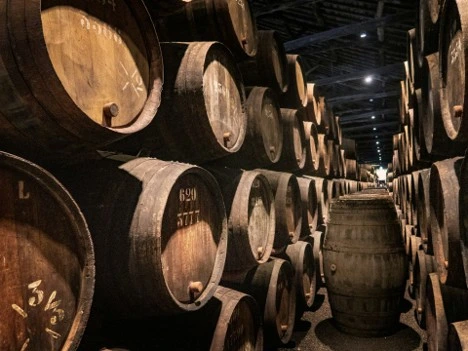
For large-scale distribution or a large secondary aging program, the best option is to buy standard 225 (Bordeaux) or 228 (Burgundy) liter (59-gallon) barrels in bulk. Wine barrels for sale are available in matching lots, making it easier to ensure consistency in your blending batches and leading to a consistent house style with each batch.
The Small Oak Barrels and Their Role in Distilling
For craft producers, a limited-edition release or an experimental finish, the use of smaller cooperage may significantly accelerate your aging curve. The standard sizes are good for long aging, but if the casks are smaller, the ratio of wood to liquid is higher, which extracts the flavors quickly. Wine makers warn, though, that smaller ships demand close watching: the extraction is so fast, the difference between a beautifully complex wine finish and an over-oaked, over-astringent spirit is so thin.
Operational Alignment: Sourcing Cycles Follow Harvest
Unlike new oak, fresh wine barrels cannot be ordered on demand. The wine world is based on strict farming schedules. When winemakers are preparing the new vintage or moving wine to stainless steel for bottling, they empty their barrels to discard the wine.
If you have to order premium white wine casks (for wines such as Chardonnay or Sauvignon Blanc) or heavy red casks (for wines such as Cabernet Sauvignon, Merlot, or Pinot Noir), you will need to coordinate your ordering with these seasonal cellaring cycles. When production schedules are planned months in advance, the sourcing partner has time to obtain the cleanest, freshest wood directly from the cellar floor.
Conclusion: Collaborating with Precision Cask Specialists
Used wine wood can only be sourced with deep knowledge, honesty about the barrel’s history, and an understanding of low-ABV wine and high-proof distillate. The right vessel is not a container; it is an ingredient that will shape your final spirit.
At Rocky Mountain Barrel Company, we are your source for precision-sourcing world-class casks. We have a trusted global network of 700+ partners in more than 50 countries and have been handling logistics, quality control, and seasonal coordination for you so you can focus on your craft. From ordering a single pallet of small oak barrels to buying barrels by the truckload, our experts are available within 1 business day to provide a customized proposal. Contact Rocky Mountain Barrel Company now to discover the ideal vessel for your next big release.
FAQs:
How do I know if a used wine barrel is clean and sound?
Check the barrel’s interior immediately when you receive it. It should have the aroma of wine or neutral oak. A vinegar-type smell suggests acetobacter, whereas wet cardboard or musty odors may signal mold and TCA.
What’s the difference between French and American oak wine barrels?
French oak has a tighter grain that releases tannins slowly and imparts subtle baking spice, silkiness, and structural complexity. American oak is more porous and imparts sweeter, more immediate notes of vanilla and coconut, with wood sugar being more visible.
How long should I finish my whiskey in a used wine barrel?
Finishing times can vary considerably depending on the barrel’s age, the type of wine, and the climate. A fresh, wet cask can impart strong flavors in as little as two to six months, while an older neutral cask may require 12 months or more to develop a subtle finish.
Do I need to rinse a wine barrel before filling it with high-proof spirit?
If the winery kept the barrel clean and sulfured, an inspection would generally suffice. In the event the barrel must be swelled to repair transit leaks, you can do so with clean, hot, unchlorinated water. Be sure to drain the barrel before introducing your high-proof spirit.